Architects of Change: School Leaders Begin Their Eight Week Leadership Academy Journey in Ghana

Inside the Foundation and Orientation Day for Cohort One of The Leadership Academy, where headteachers traded admin duties for digital ambition
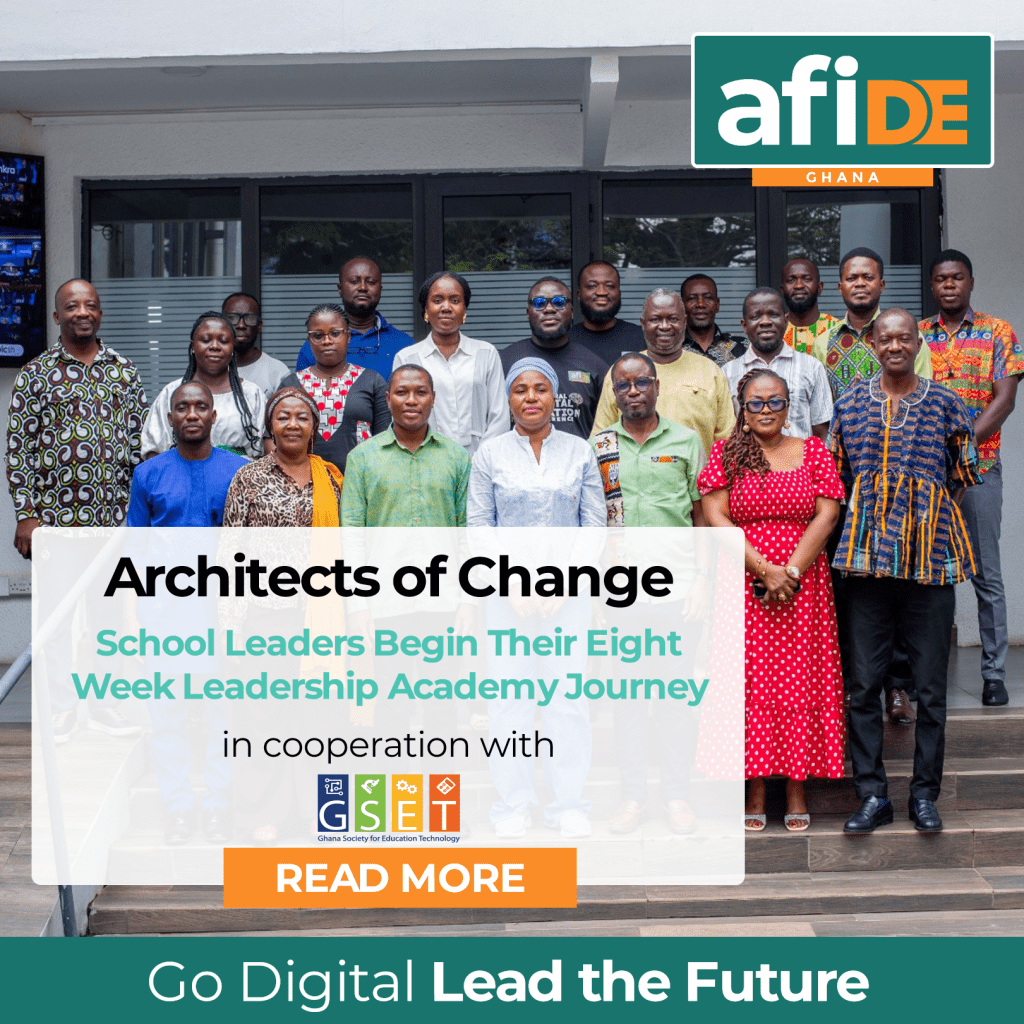
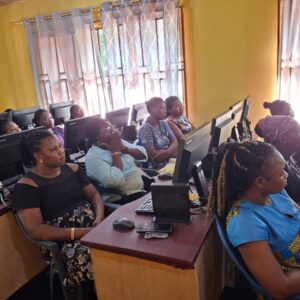
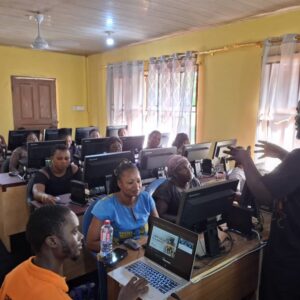
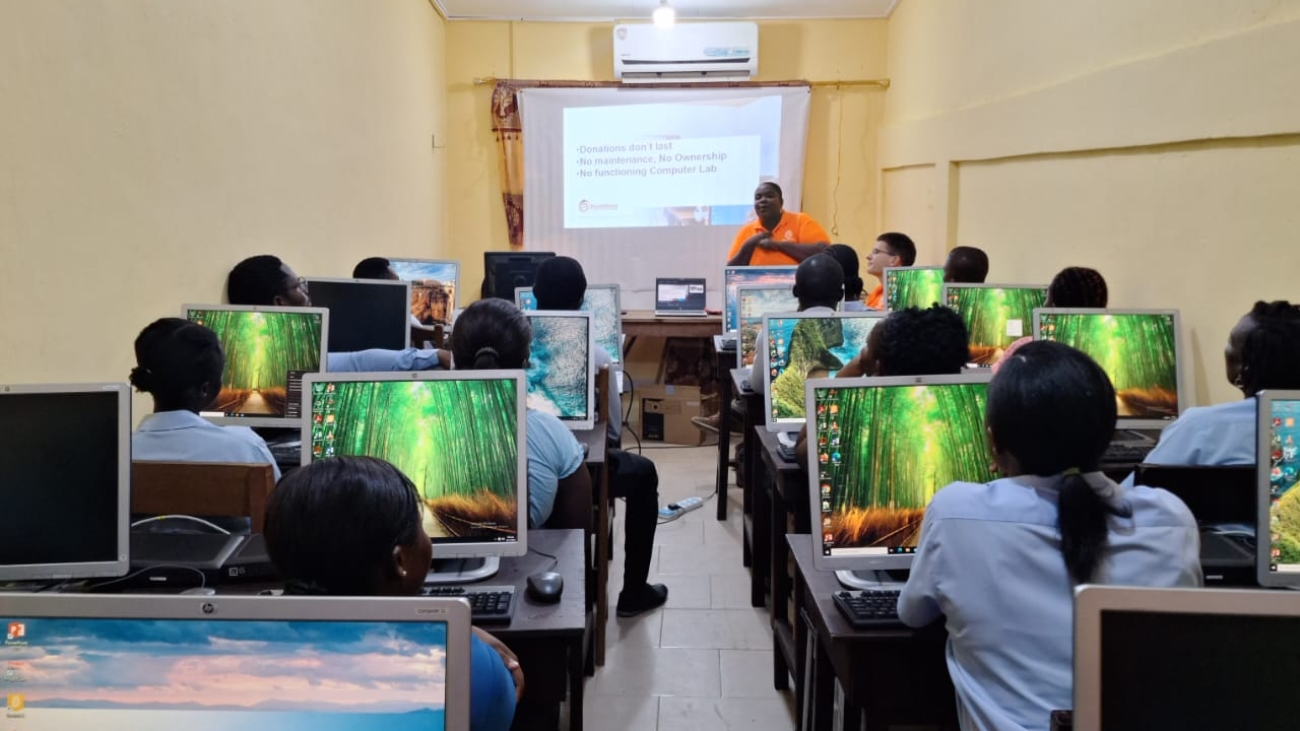
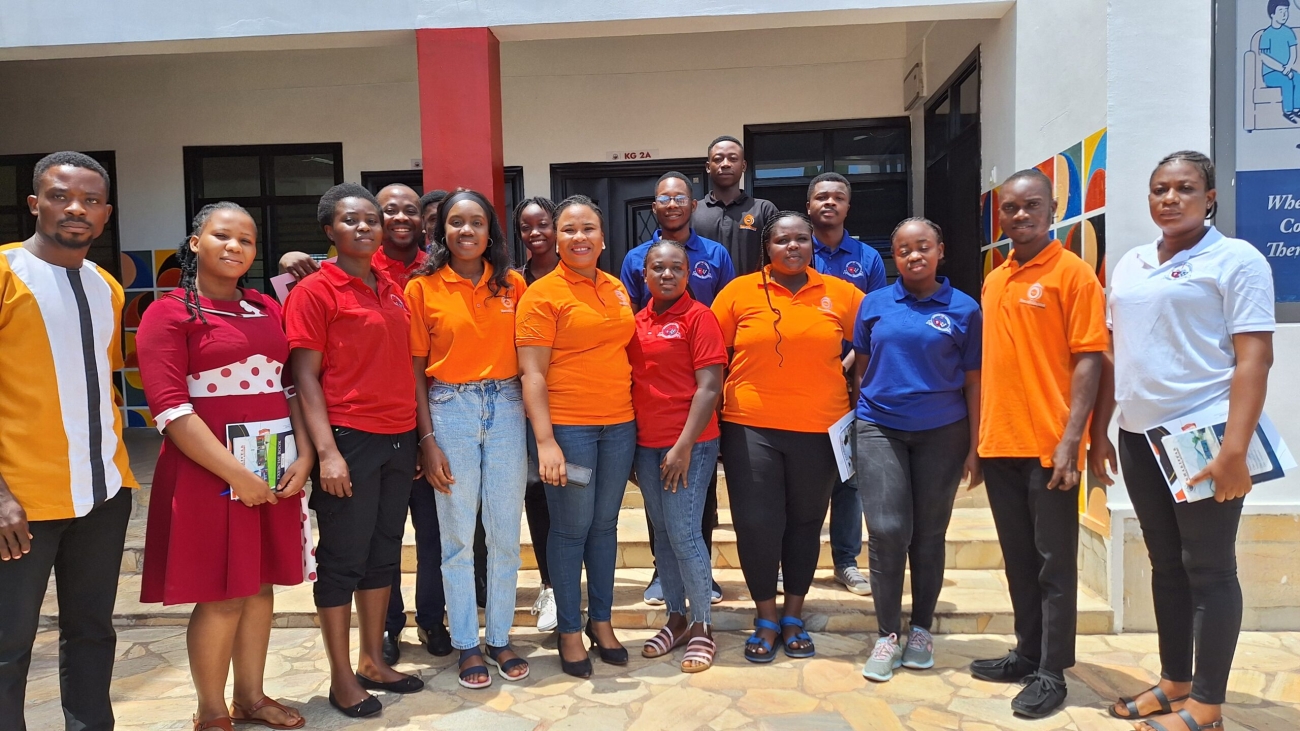
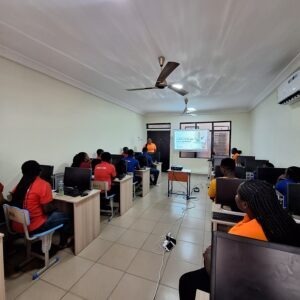
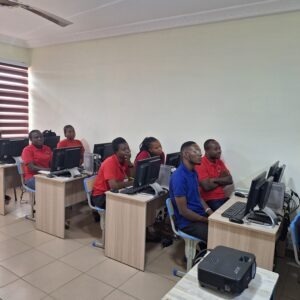
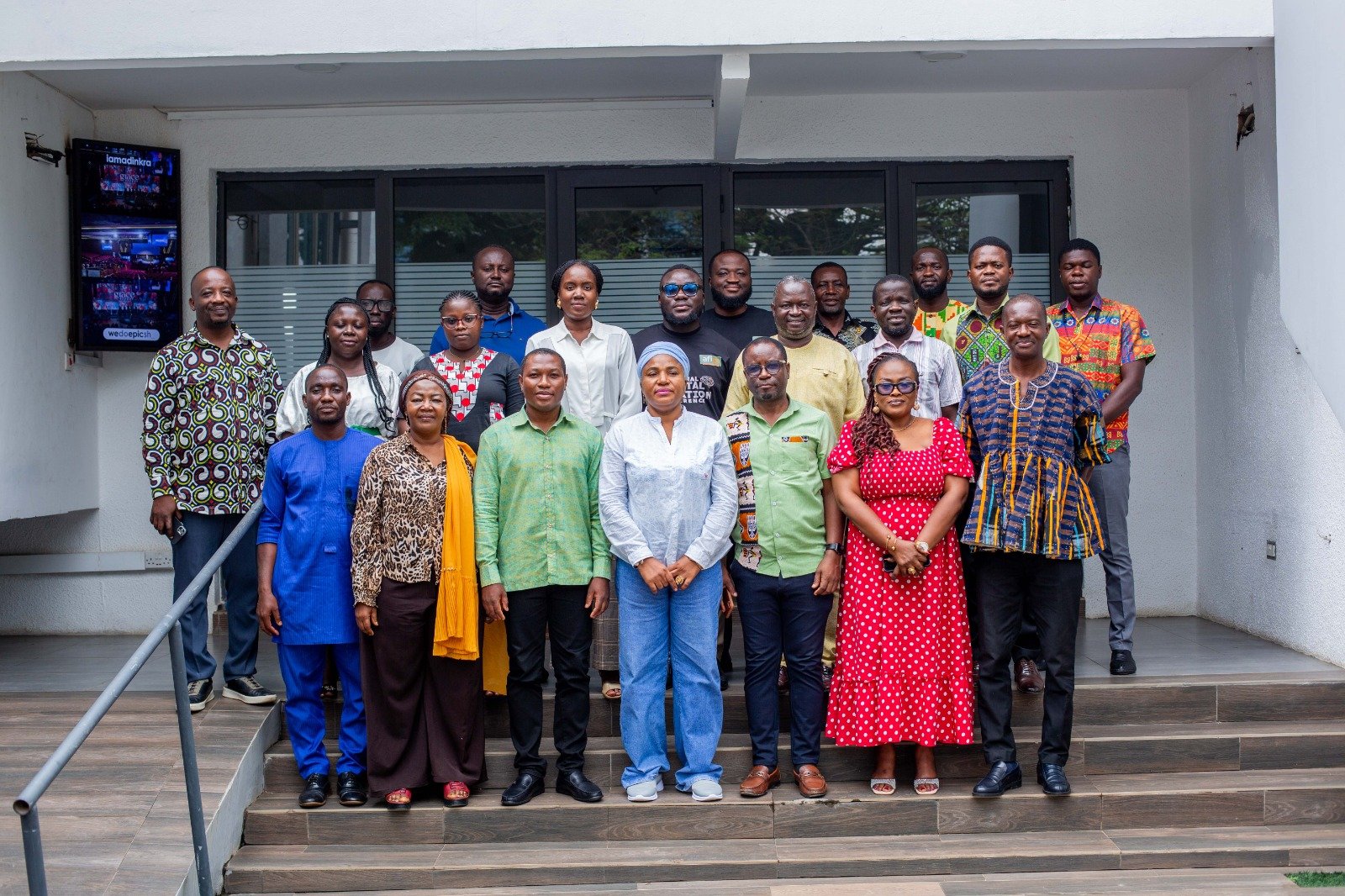
School leaders from across Ghana gathered at Nyansa Square in Accra on Saturday for the Foundation and Orientation Day marking the start of Cohort One of The Leadership Academy, a new digital education leadership programme jointly delivered by afiDE Ghana and GSET.

Among them was a participant who had travelled all the way from the Ahafo Region. He arrived early, notebook in hand, and brought with him an energy that set the tone for the day. By 8:00 a.m., the venue had filled with quiet anticipation as participants registered, settled in, and began making their first connections. The programme team had designed the day to be interactive, educative, and engaging, and the nine-hour session delivered on every count.
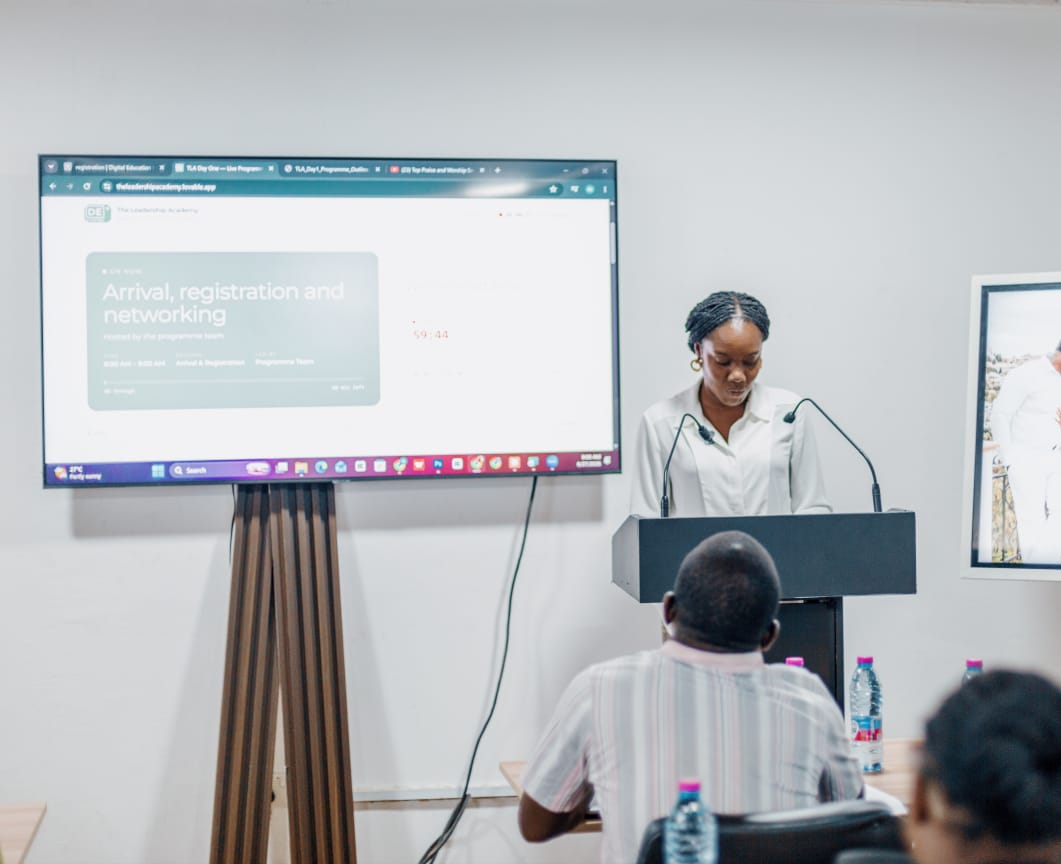
A Welcome Rooted in Gratitude and Vision

At 9:00 a.m., Nicole Odudu, Digital Education Manager at afiDE Ghana, opened proceedings with a welcome address that was both personal and reflective. She recalled that while The Leadership Academy had been officially introduced the previous year, the Foundation and Orientation Day represented the true beginning of a journey nearly a year in the making. She took a moment to acknowledge the afiDE Ghana team, recognising the countless meetings, careful planning, and unwavering commitment that had brought the programme to life.

Addressing the fellows directly, Nicole encouraged them to approach the eight weeks ahead with openness, curiosity, and a genuine willingness to grow. She reminded them that while the knowledge gained within the programme is valuable, it is the relationships built and the actions taken beyond it that will ultimately define their leadership journey. She closed on a note that would echo throughout the rest of the day: that leadership is not about titles, but about service, responsibility, and the courage to create positive change.

A Message Across Borders: Pim de Bokx Speaks from the Netherlands

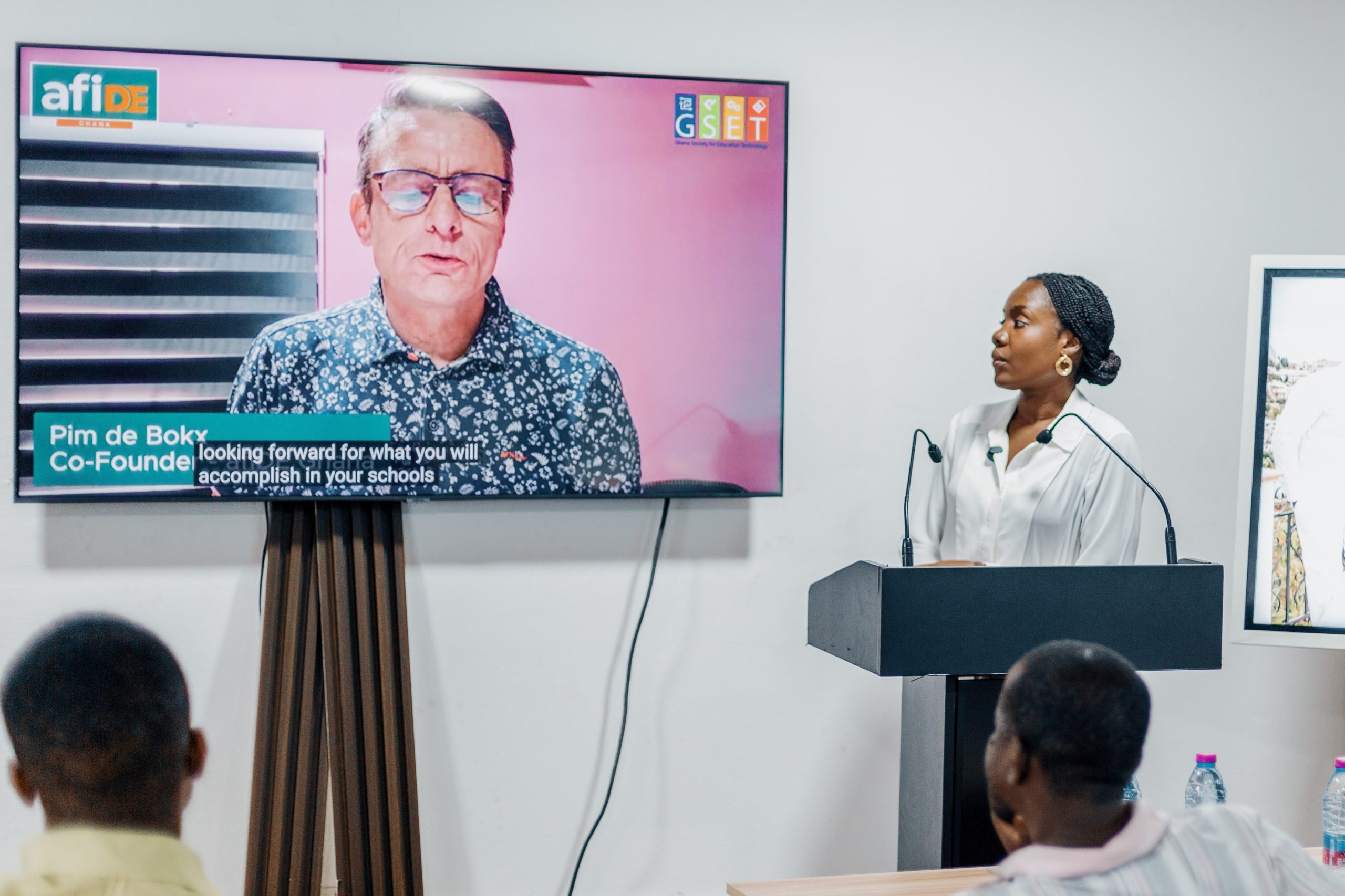
The team then played a video address from Pim de Bokx, Co-Founder and Acting General Manager of afiDE Ghana, joining the session from the Netherlands. His message was warm, direct, and anchored in a clear diagnosis of the problem The Leadership Academy was created to solve: that digital transformation in schools does not fail because of technology, but because leadership is not fully empowered to drive it.

Pim congratulated participants not only for being selected, but for choosing to step into a space that is still evolving and not always straightforward. Drawing on afiDE Ghana’s experience working with over fifty schools, he was candid that the programme does not arrive with all the answers, but is built from years of listening to school leaders and learning from the realities of the field. He was equally clear about ownership: what the programme becomes for each participant depends entirely on what they choose to do with it each week.

He closed with a thought that lingered in the room long after the screen went dark. When many school leaders can lead the shift to digital education in ways that genuinely improve learning, they are not simply changing their schools. They are shaping the direction of education itself.
A Call to Lead Digital Transformation

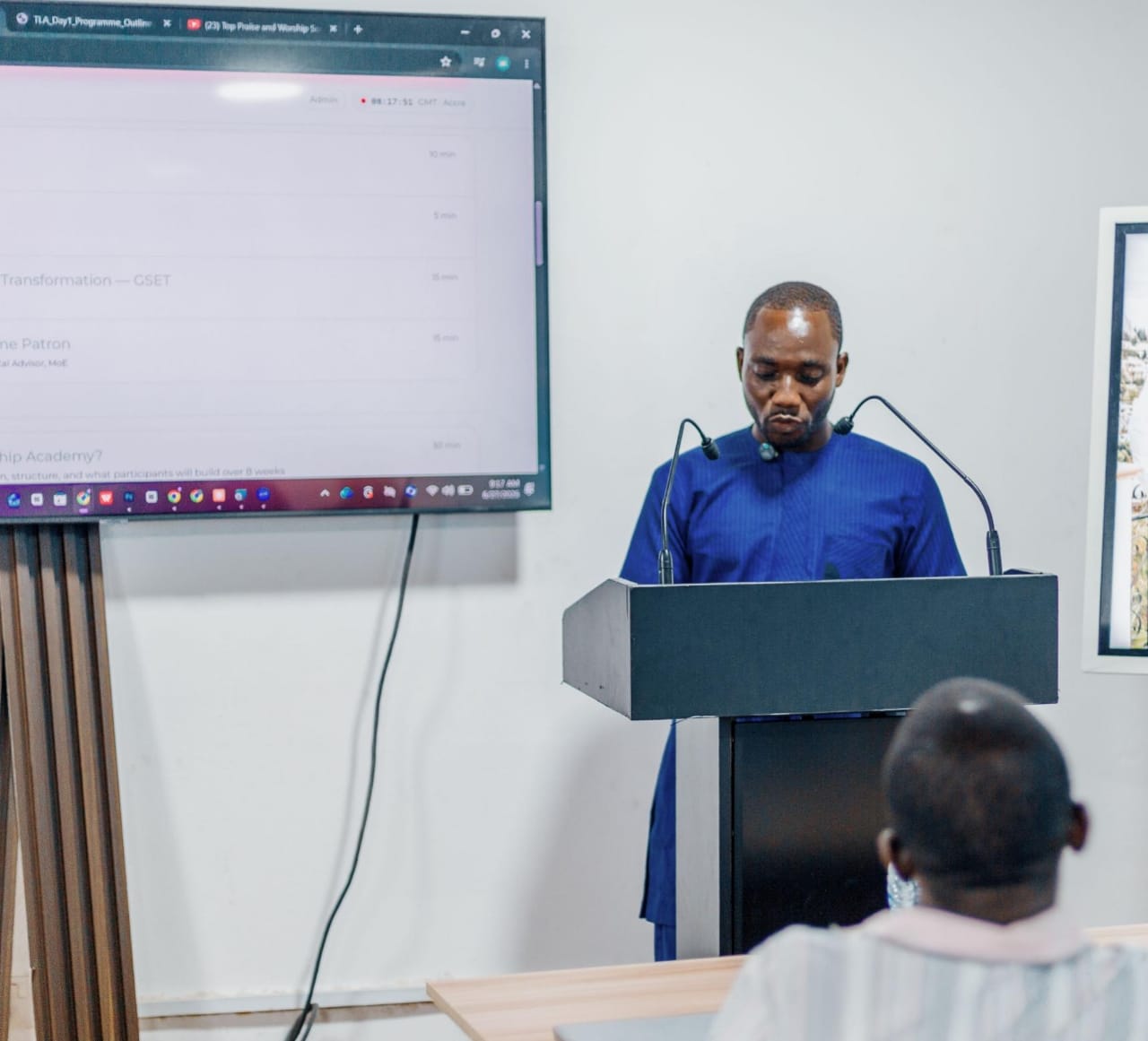
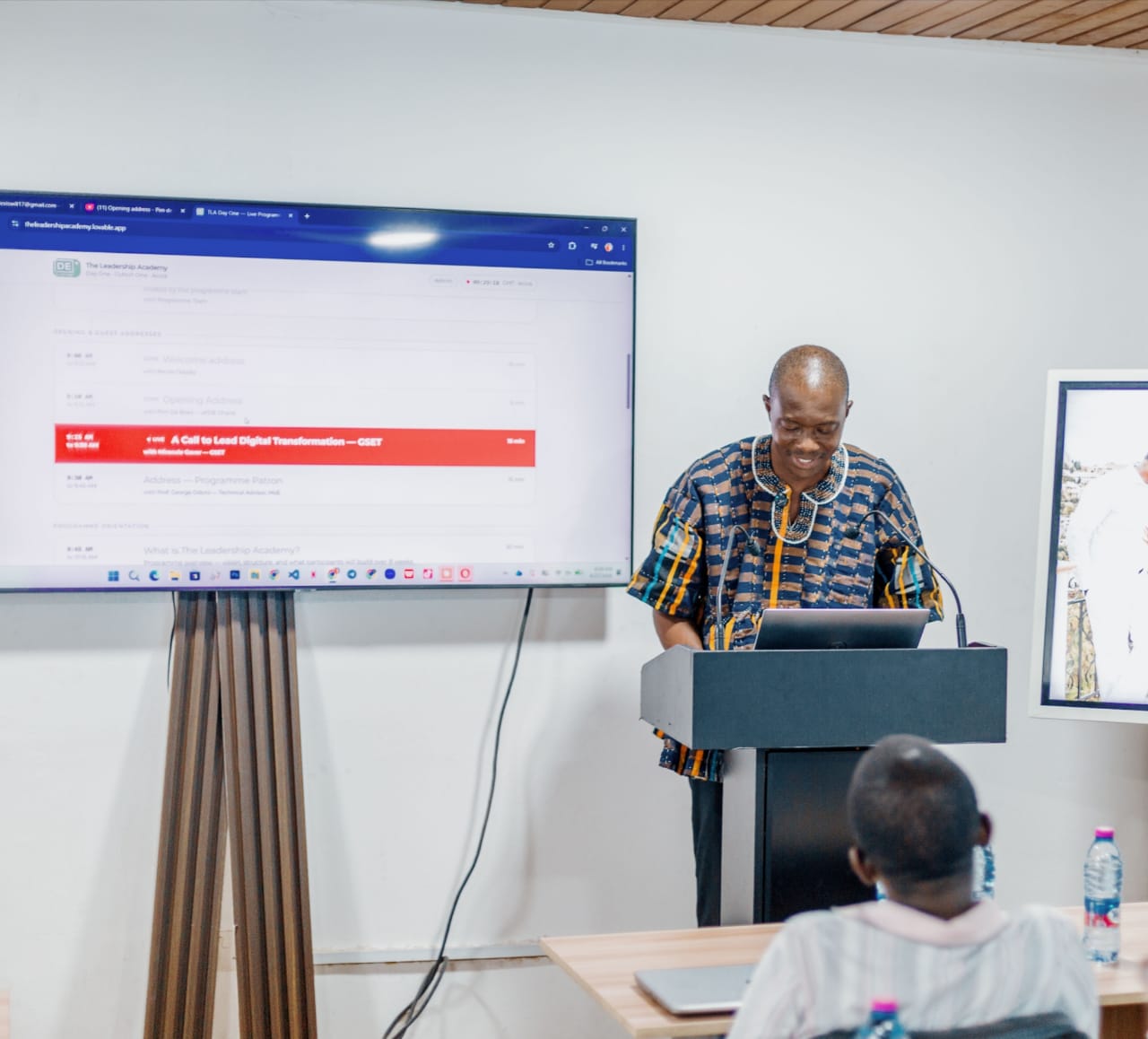
Two guest addresses followed, each framing the wider purpose and responsibility at the heart of the programme. Mr Governor Fianyo, Director of ICT at NaCCA, delivered the first address on behalf of Mr Miracule Gavor of GSET. Titled “A Call to Lead Digital Transformation,” the address challenged participants to see themselves not as administrators managing change from a distance, but as architects actively building it from within.

Professor George Oduro, the programme’s Patron and Technical Advisor to the Minister of Education, was represented by Isaac Yeboah, who delivered a thoughtful address on the weight of responsibility school leaders carry in shaping Ghana’s digital education future. Both addresses were received warmly, with several participants reaching for their notebooks as the speakers made their key points.
Eight Weeks, One Strategy, One Mission

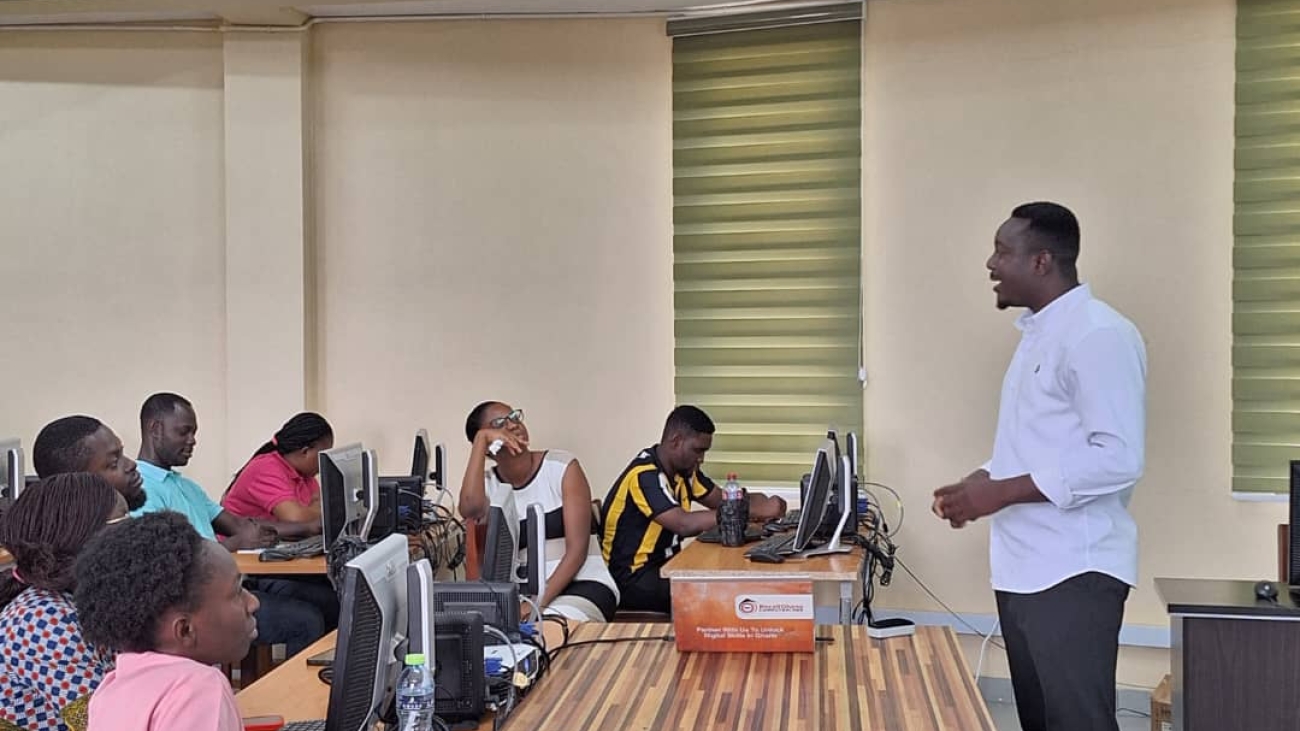
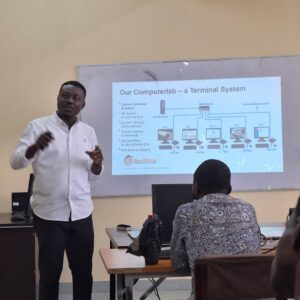
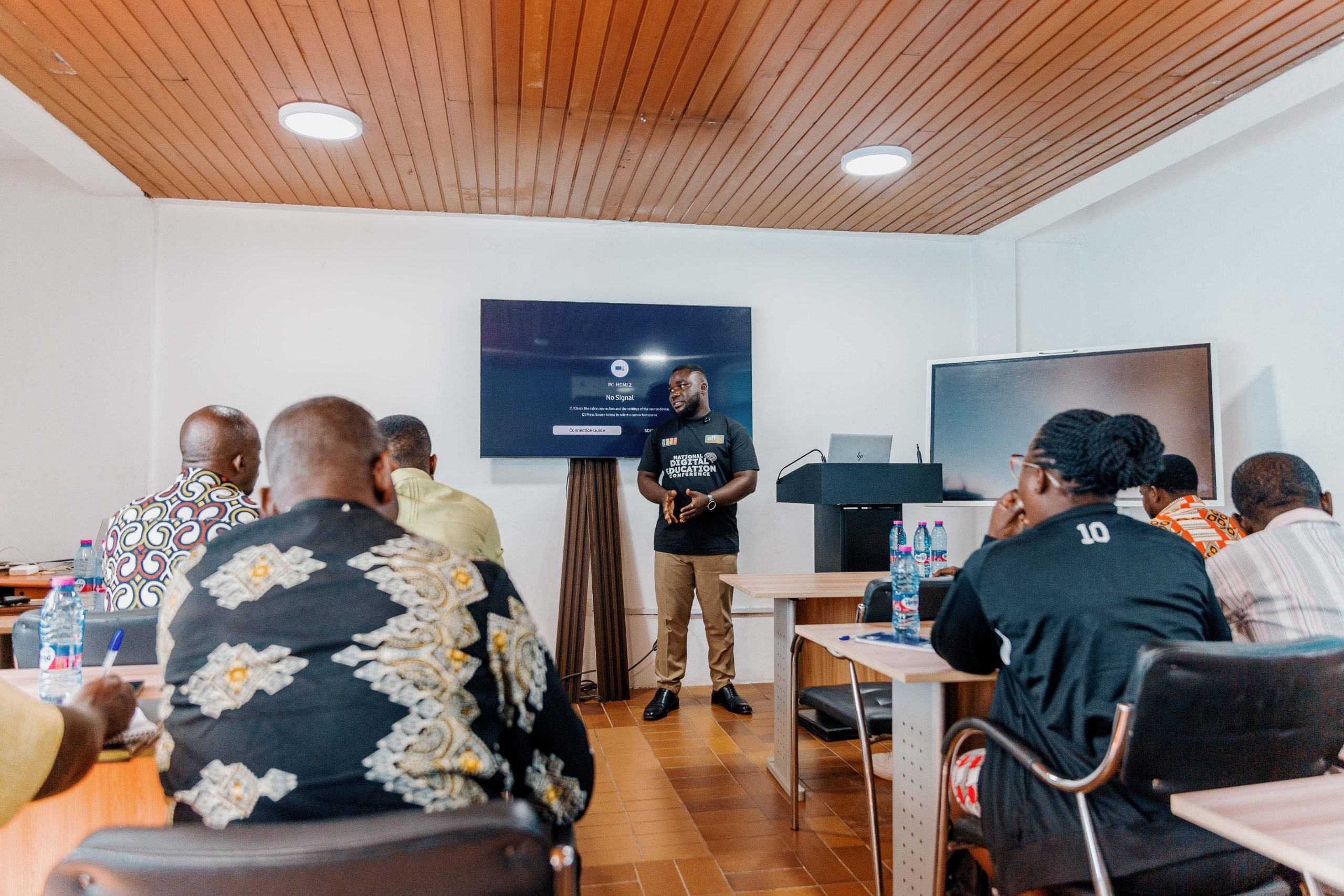
With the opening addresses complete, Emmanuel Sefadzi, Programme Coordinator of The Leadership Academy and Digital Education Trainer at afiDE Ghana, took the floor to walk participants through what the programme actually offers. Over eight weeks, each school leader will progress from the foundations of strategic thinking through to a completed Digital School Strategy, which every participant will present formally in Week 8. Emmanuel laid out the vision, the structure, and the week-by-week journey participants could expect, giving the room a clear picture of the road ahead.

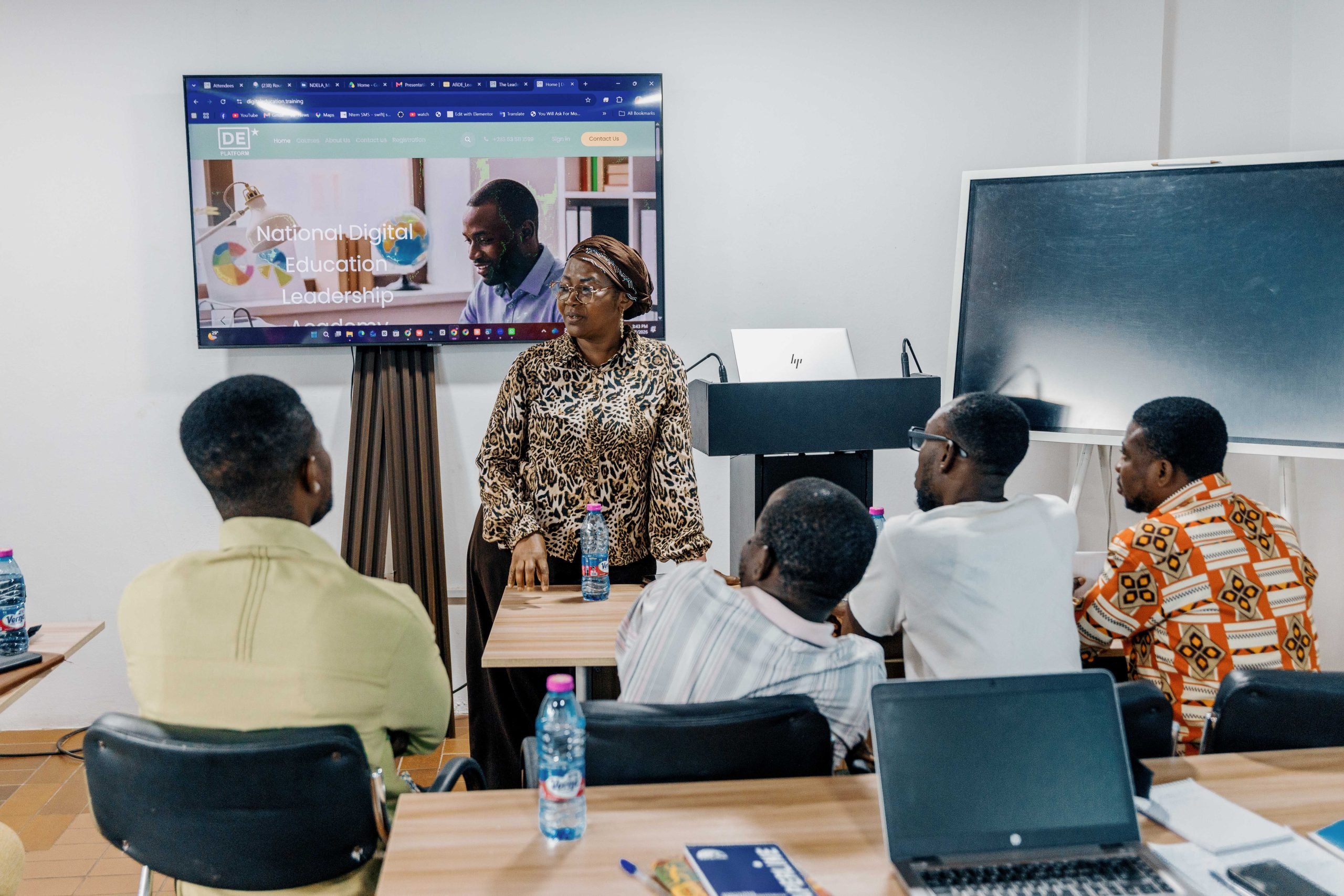
Saturday’s gathering marked the only in-person session of the cohort. All future sessions will be delivered through The Leadership Academy platform, and the team took time to walk participants through the sign-up process step by step, covering how to log in, navigate the portal, and access their course materials. The team also confirmed that a second cohort is planned before the end of the year, once Cohort One concludes.

Patchy Networks, Hesitant Staff, Stretched Budgets: The Real Talk Begins

Introductions brought the room to life in a way that formal proceedings rarely do. Each participant shared their name, their school, and one digital challenge keeping them up at night. The concerns were candid and wide-ranging: patchy infrastructure, staff reluctant to embrace change, and budgets stretched well beyond what digital ambitions require. The participant from the Ahafo Region stood out once again, this time for the directness and energy he brought to the conversation.
From Theory to Strategy: The Learning Begins

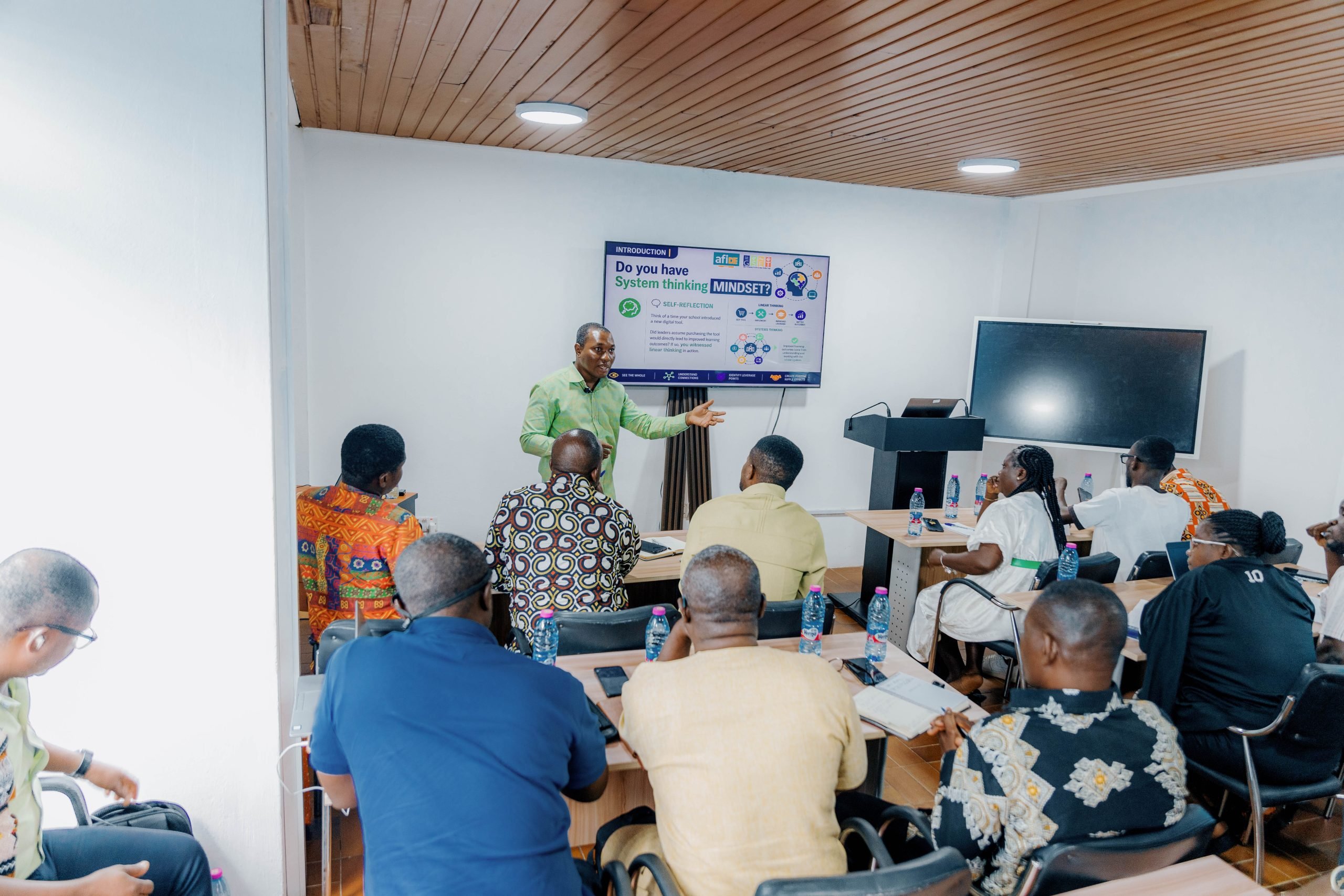
The academic portion of the day opened after a short snack break with the first unit of Module One, Foundations of Systems Thinking. Rather than a conventional lecture, the facilitator built the session around discussion and real-world scenarios, prompting participants to think critically about how change in one part of a school ripples across everything else. By the end of the session, participants had begun drafting early outlines of their own digital vision.

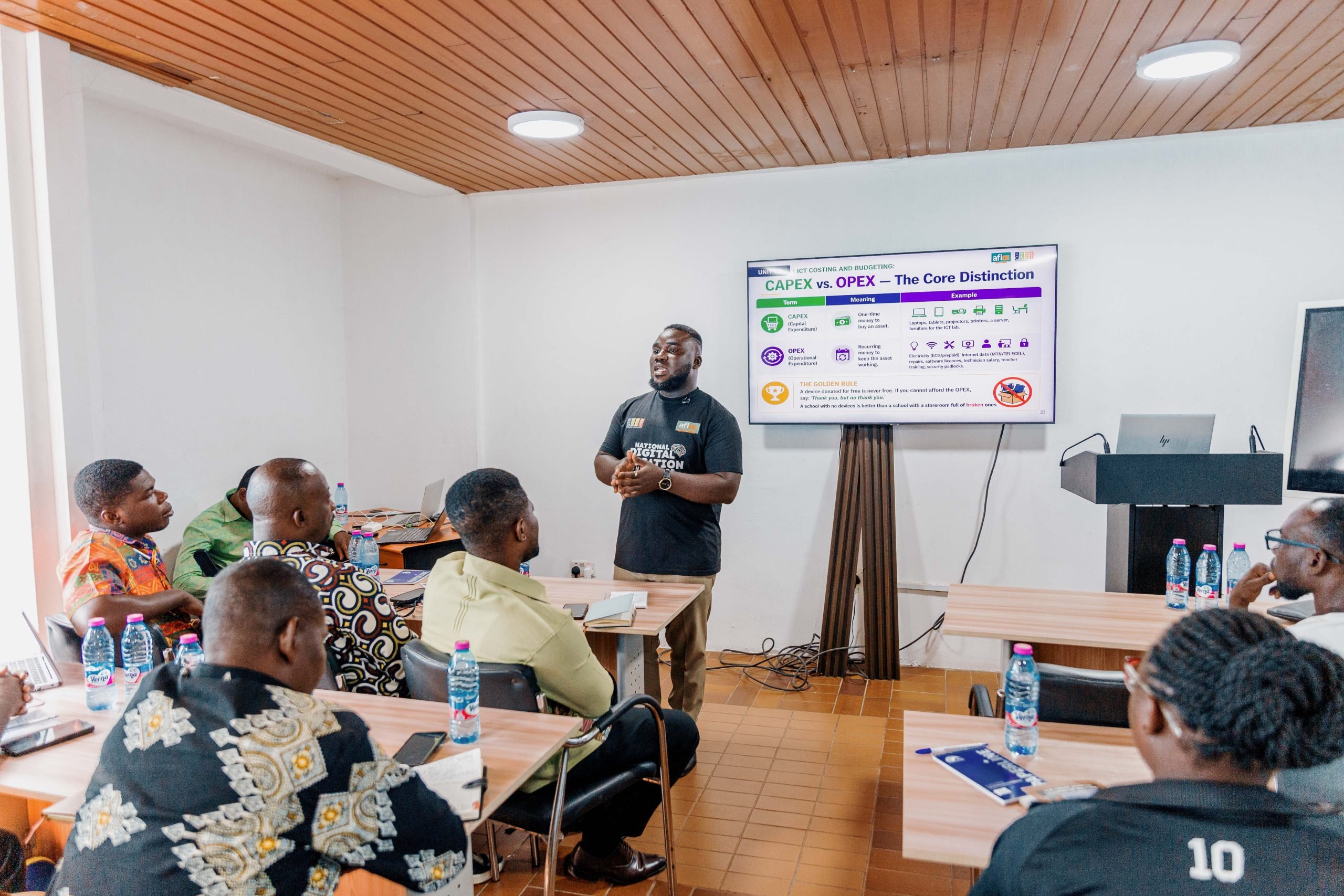
A second session on Introduction to Digital Strategy followed the same participatory format, with school leaders stress-testing their ideas against each other’s experiences and contexts. After lunch, the focus shifted to ICT Costing and Budgeting, a session that gave participants a practical and often sobering look at the true cost of digital initiatives once training, ongoing support, and maintenance are factored into the picture.

Building the Strategy: Emmanuel Returns to the Floor

The afternoon’s closing session saw Emmanuel return to the floor to introduce participants to the centrepiece of the entire programme: the Digital School Strategy. He walked the room through what the strategy is, how it is built week by week through the platform, and what a finished strategy looks like when presented in Week 8. It was a moment that brought the full arc of the programme into sharp focus, connecting the morning’s vision to the practical work that now lay ahead.
 

Meet Your Mentor: The Journey Beyond the Room

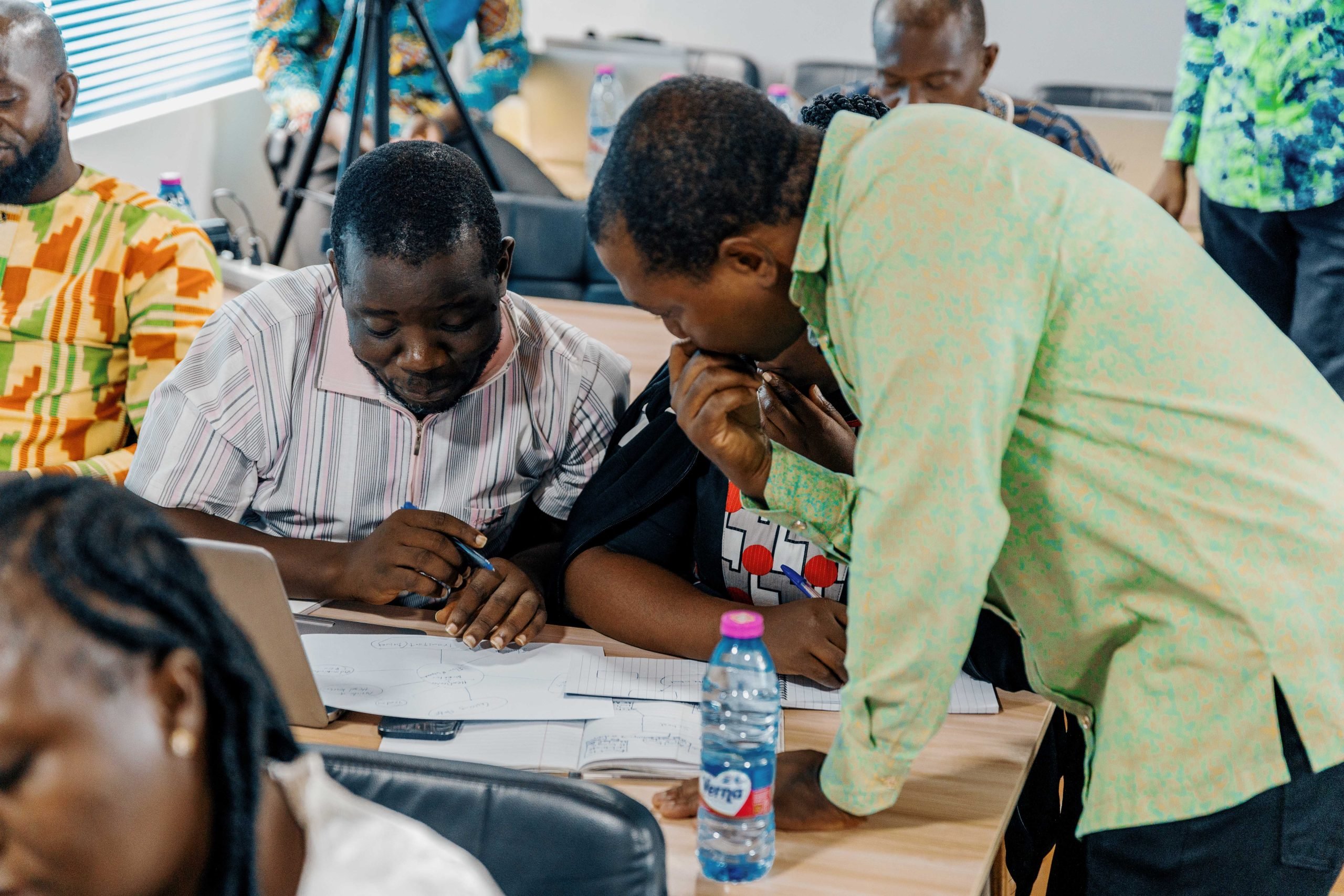
The most anticipated moment of the afternoon followed immediately after, when participants were placed into peer groups of five and formally introduced to their mentors. These mentors will provide regular check-ins throughout the eight weeks, supporting each group as they develop their Digital School Strategy, largely through the platform rather than face to face.

The facilitator then led the school task briefing, asking each participant to name one concrete action they would take at their school before Week 2 begins, a small but deliberate commitment that turned the day’s reflection into accountability. Emmanuel closed the session with final remarks, reminding participants of what to expect in the weeks ahead and encouraging everyone to log into the platform and prepare for what comes next.

Beyond Day One: What This Means for Schools and Ghana

The significance of what began on Saturday extends well beyond the twenty leaders who filled that room. Each participant returns to their school carrying not just new perspectives, but a structured, eight-week framework for translating digital ambition into a concrete and workable strategy. Critically, that framework is designed around the real obstacles school leaders face every day: unreliable infrastructure, staff who are hesitant to change, and budgets that rarely stretch as far as the vision demands.

As these Digital School Strategies take shape and move into implementation, the benefits will be felt across entire school communities. Teachers will be led by principals who understand the strategic, financial, and human dimensions of digital transformation. Students will learn in environments shaped by deliberate and informed decision-making rather than reactive technology adoption. And school boards and parents will gain greater confidence in the digital direction their institutions are taking.
At a national level, the programme speaks directly to Ghana’s broader ambition for digital transformation in education. By building strategic leadership capacity at the school level, The Leadership Academy is creating a network of administrators equipped to bridge the gap between national policy and everyday school reality. With a second cohort expected before the end of the year, the momentum is already building. School leaders who missed out on Cohort One are encouraged to follow The Leadership Academy’s channels for updates on when applications for Cohort Two will open.

Twenty school leaders now share one mission, with eight weeks ahead of them and a movement quietly taking shape behind them.

The Leadership Academy is delivered by afiDE Ghana and GSET. For more information on the programme, visit: https://afide.network/what-you-need-to-know-about-our-leadership-academy-and-why-your-school-needs-it-now/
4

Fiakonya D/A Basic School partners with afiDE Ghana for Sustainable Digital Literacy in the School

Fiakonya D/A Basic School partners with afiDE Ghana for Sustainable Digital Literacy in the School

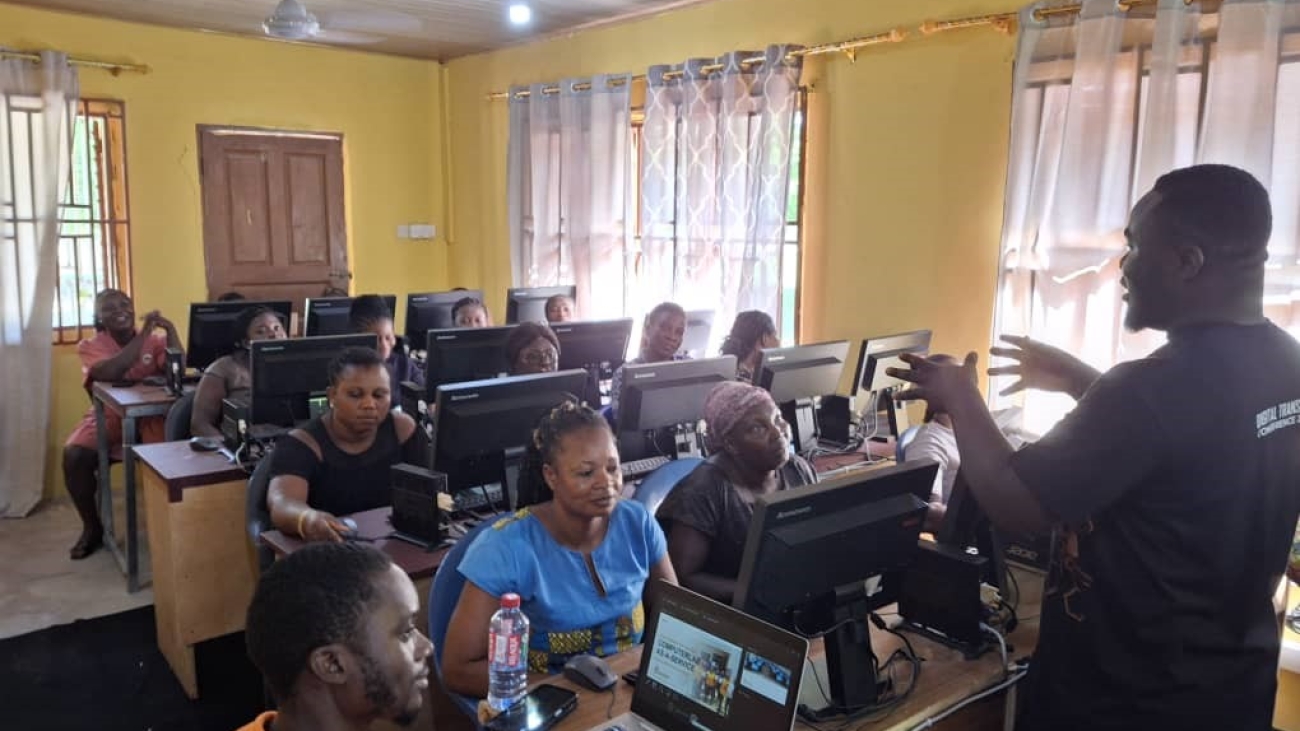
Fiakonya D/A Basic School in Dodowa in the greater Accra region of Ghana has partnered with afiDE Ghana to provide sustainable Digital Education in the school. The partnership aims to empower both the school’s educators and learners with the relevant digital literacy and skills they need to prepare them for the technological, digital, and data-driven world.

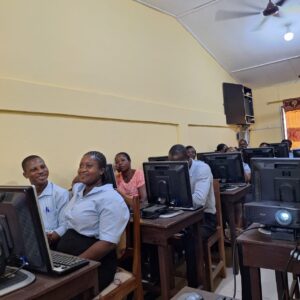
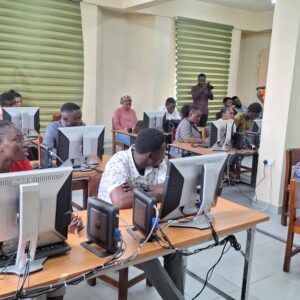
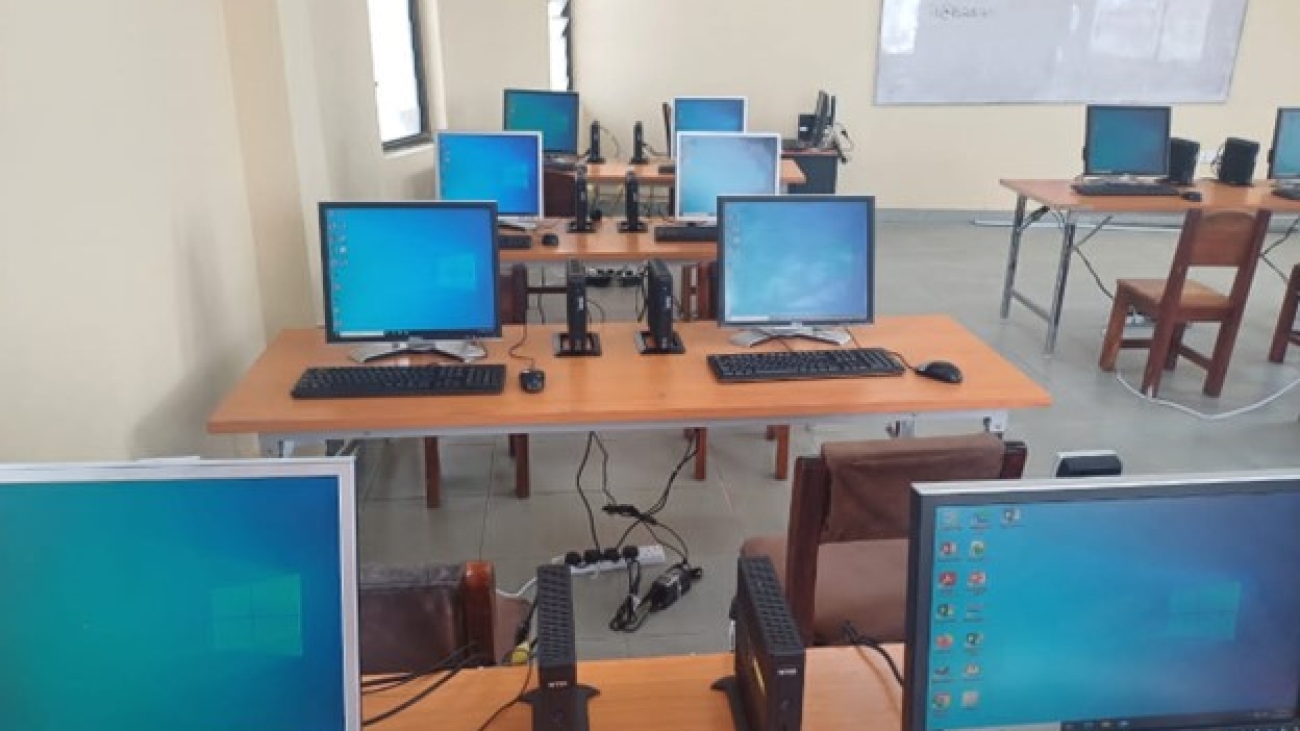
afiDE Ghana implemented its side of the partnership by setting up an ultra-modern computer lab with 21 workstations. The state-of-the-art computer lab is equipped with UPS units and backup batteries, a router for internet connectivity, a server, and thin clients.

The computing facilitator will have access to a dedicated workstation, while students will have access to 20 workstations, ensuring that each learner has their workstation during computing lessons.

The teachers are now equipped, confident, and ready to elevate digital education in their schools. The computer lab includes services for the maintenance, replacement, and repair of damaged computer parts, along with remote monitoring, a help desk, and teacher training.

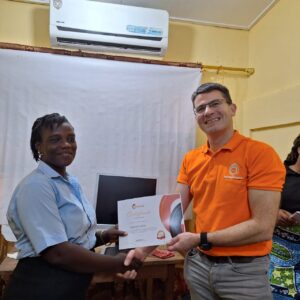
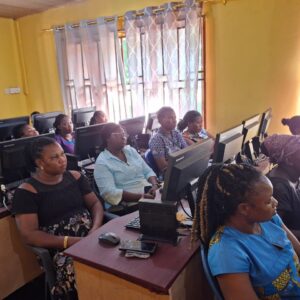
On November 26th, 2024, afiDE Ghana conducted a base training session for the educators of Fiankonya School to initiate the use of the computer lab. The training covered the fundamental components of RGC’s computer labs, including both hardware and software.

As part of our mandatory service to partners, RGC offers a comprehensive four-stage training program designed to equip teachers with the technological knowledge and skills needed in today’s modern era. This training will enable educators to integrate technology effectively into their teaching and enhance their productivity in the workplace.

The teacher training is valuable for educators, as data indicates that many teachers in Ghana are not technologically or digitally proficient, resulting in a lack of the necessary computing resources to effectively teach students.

The four types of training conducted by afiDE Ghana are;

Base Training: The base training focuses on empowering teachers with the essential skills to effectively utilize our computer labs for teaching. This foundational training ensures educators can confidently navigate the basics and integrate digital tools into their lessons.

Bronze Training: The training is designed specifically for computing facilitators and ICT coordinators, the training enables mastery of the National ICT Curriculum and the full spectrum of our application landscape. It emphasizes challenge-based and project-based learning, preparing facilitators to lead innovative and interactive digital education.

Silver Training: The silver training is also tailored for teachers of other subjects, this training demonstrates how to leverage our computer labs to enhance lessons in STEM, Geography, History, and more. It equips educators with the skills to integrate digital resources into their teaching, enriching the learning experience across diverse disciplines.

Gold Training: This is aimed at experienced computer lab teachers and coordinators, this level focuses on developing them into trainers for their peers. Participants learn to deliver the BASE training, fostering a community of knowledgeable and skilled educators who can support their colleagues in digital teaching.

Contact us today for a computer lab with maintenance, replacement, remote monitoring, Help Desk teacher training, and even more. CALL:053 511 1599

WhatsApp Image 2024-11-20 at 07.53.00_a4dd97fa

Rev. J.C. Mensah Memorial Methodist School Partners with afiDE Ghana to Promote Sustainable Digital Education

JC Mensah Memorial School in Dansoman has partnered with afiDE Ghana(RGC) to promote sustainable digital literacy in the school.

Through this collaboration, both organizations would foster digital literacy, ensuring that students are equipped with the knowledge and skills needed to excel in this increasingly digital world.

The partnership aims to provide learners with extra-modern computerlabs, a 20-student workstation, and one computer for the computing facilitator. RGC will provide maintenance, repair, replacement, and teacher training so JC Mensah Memorial School can continue to provide sustainable digital education to its learners.

Every digital education needs access to the Internet. RGC will provide monthly internet data to J.C Mensah Memorial School so that educators and learners can use the Internet to aid teaching and learning.

TEACHER TRAINING

A computer lab without the right computing facilitators to teach the subject accurately is of no use. For RGC to ensure that educators are using their computerlab effectively and to its maximum effect, they conduct base training for all educators who are going to use the computing facility.

On the 12th of November 2024, afiDE Ghana conducted a base training for the teachers at J.C Mensah Memorial School to kick start using the computerlab and empower the teachers with the basic computing skills they need in this digital world.

The training looked at the basic component of the computerlab, the rules and regulations regarding RGC’s computerlab.

Contact us today for a computerlab with compulsory maintenance, replacement, remote monitoring, desk help, teacher training, and even more. CALL:053 511 1599

WhatsApp Image 2024-11-07 at 07.21.38_cf5ceb3c

afiDE Ghana to organize Digital Transition Conference

afiDE Ghana to organize Digital Transition Conference

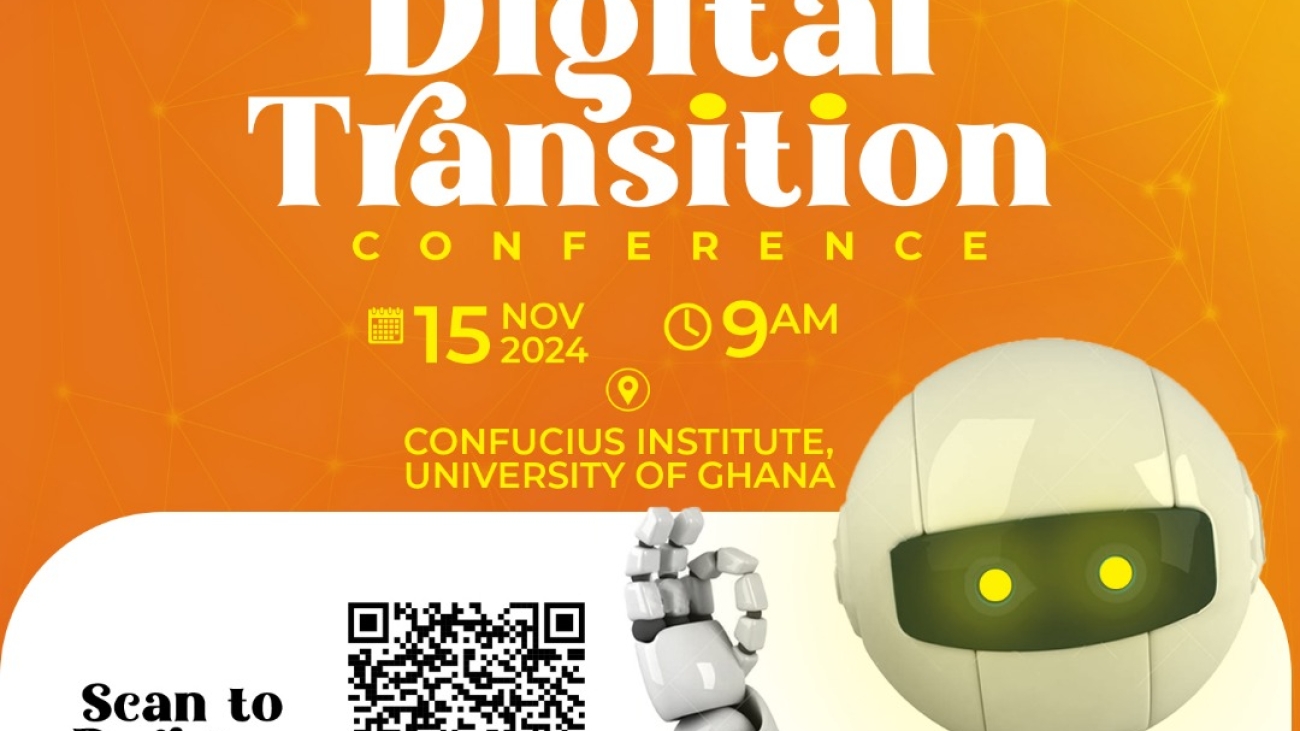
afiDE Ghana in partnership with Amalitech, Ghana Society Education and Technology(GSET), TechAide, EduCare, Ghana Education Society(GES), AmaliTech, Developp, Ghana Education (GES), EMPAC, DTM, Quartmani Educare Partner(EduCare,) CENDLOS, DMT, Vandzilah, and 1A Computerlabs is organizing RGC’s annual event themed as Digital Transition Conference.

The conference will take place on the 15th of November 2024 at the Confucius Institute of the University of Ghana from 9 AM to 4 PM prompt.

The objectives for the events are as follows;

  • Showcase the importance of digital education in Ghana.
  • Schools for Digital Education
  • Explore emerging trends in education technology (EdTech).
  • Connect educators, stakeholders, and tech leaders to drive digital transformation in schools.
  • Position/Market RGC

The expected audience includes School leaders and administrators, Computing teachers and educators, Students, PTA, Government education officials, NGOs and Corporate Leaders, and some selected media houses and personalities.

There will be keynote discussions by the Chief Executive Officer for RGC (Hanc de Box),  on Trends in Digital Education & Future of Schools.

The panel discussions for the conference will focus on;

-”Digital Literacy – Needed changes in how we educate”

-“The Digital Education Transition – also a Corporate Need” and “Digital Literacy – Needed Changes in how we educate”.

There will be two side events; Scratch competition (Coding for kids competition) and Silver training. The coding competition will harbor three schools for the competition. The schools are; Acropolis Maranatha School – Pokuase, Jay’s International School – Abokobi, and Royal Madonna School – Tiafa.

The scratch competition is tagged as “Code for Change: Digging a Future, Not Destruction” – “Scratch the Surface, Save the Earth.

RGC, through the event, will play a documentary about how computerlab-as-a-service is benefiting partner schools, and also, introduce a new portal called Asanka; a hub for educational resources for promoting digital education in Ghana.

Register to be part of this life-changing digital transition conference today.

REGISTER HERE: https://afide.network/registration-form/


20240927_111539

Base Training Conducted at Kharister International Academy –Ho

Base Training Conducted at Kharistar International Academy –Ho

In Ghana’s educational landscape, a significant gap exists between the demand for digital literacy and the availability of skilled educators. afiDE Ghana (RGC) is bridging this gap through its Base Training program, designed to equip educators with essential ICT skills.

Reports indicate that many Ghanaian educators, including ICT facilitators, lack basic computer operation skills. This shortfall denies students hands-on ICT practical experience, hindering their preparation for a digital future.

To address this issue, RGC conducted a Base Training session for educators at Kharister International Academy in Ho. This comprehensive training covered basic workstation operation, understanding workstation components and functions, and familiarization with installed software.

By empowering educators with these skills, RGC’s Base Training enables them to effectively teach ICT skills, provide students with practical digital experience, and enhance overall digital education quality.

RGC’s commitment to digital education extends beyond training. By partnering with us, schools gain access to state-of-the-art computer labs, ongoing support, and resources necessary for enhanced digital education capabilities.

Invest in your students’ future, your school’s reputation, and Ghana’s digital prosperity. Partner with afiDE Ghana today to provide quality digital education.

To partner with us, kindly contact us on 0535111599.


WhatsApp Image 2024-09-12 at 08.01.05_72d1a4cc

afiDE Ghana and GSET, Trains Lotus Educational Centre Teachers

afiDE Ghana and GSET, Trains Lotus Educational Centre Teachers


afiDE Ghana (RGC), teamed up with the Ghana Society for Education Technology (GSET) to train teachers at Lotus Educational Center.

The training, which happened on Wednesday, 11th September 2024, took place at the premises of Lotus Educational Centre. Teachers from various classes, including but not limited to the Headmistress, ICT teacher, Math and Science teachers, and others.

The focus of the training is to empower the teachers to use the workstations. The training focused on foundational computing concepts, including essential hardware, software, and operating systems, which will help them introduce these basics to their learners.

RGC set up a computer lab for Lotus International Centre in August, to provide ICT education to learners. The computer lab was furnished with 21 workstations with Ghana Education Service’s ICT-approved curriculum.

Research has proven that teachers in most educational institutions in Ghana lack basic ICT knowledge and skills. Most teachers focus on the theory and leave out the practical due to a lack of ICT resources or knowledge/skills.

To solve this issue, RGC teams up with GSET to train teachers on how to manage and use the workstations effectively.

The training is in four modules;

  • Module 1– focused on foundational computing concepts, including essential hardware, software, and operating systems, which will help them introduce these basics to their learners.
  • Module 2 – focused on productivity software, where teachers learn how to use tools such as word processors, spreadsheets, and presentation programs to enable them to integrate these tools into their lessons effectively.
  • Module 3 – focused on communication networks and the internet, gaining a deeper understanding of networking basics and how these technologies can be utilized in the classroom.
  • Module 4 – focused on computational thinking and algorithms, acquiring problem-solving skills and methods to design algorithms that can be taught to students.


Lotus Educational Centre has completed the first module and is ready to move to Module 2.


GHANA SOCIETY EDUCATION TECHNOLOGY

GSET is a non-profit, globally recognized leading professional association for Ghanaian educators using technology to improve learning outcomes in Ghana. Since 2017, GSET has been at the forefront of transforming education through technology initiatives. The NGO’s mission is to advance excellence in learning, teaching, and leading through innovative and effective technology uses.


Picture6

Lotus Educational Centre Benefits from afiDE Ghana’ Initiative

Lotus Educational Centre in East Legon of the Accra Metropolitan District in the greater Accra region of Ghana, has benefited from RecellGhana Computerlab’s initiative. This initiative is aimed at providing modern computer labs for schools in Ghana to foster digital based education and improve student’s ICT skills.

The school has been equipped with 21 computers (Tin clients), educational Software, 4G-Router with Internet bundle and Center Server.

afiDE Ghana will be responsible for monitoring, supporting and training I.C.T Teachers, as well as providing hardware and software maintenance to Lotus Educational Centre.

The school can fully focus on comfortably training their students to acquire ICT skills, which in the end will improve their career opportunities in the future and contribute to the digital development needs of the Ghana’s society.

Lotus Educational Centre can now boast of a modern and well maintained computer lab which will help equip the learners with the required digital skills and prepare them for this digital era.

MORE ABOUT LOTUS EDUCATIONAL CENTRE

At Lotus, they provide a series of dedicated and quality educational services for children from the ages of one (1) year to eighteen (18) years, and ensure each child has an in-depth understanding of topics taught, thus boosting their confidence. They also offer After-school, Saturday Programs and Holiday Programs.

BE A BENEFICIARY.

afiDE Ghana is committed to ensuring equal digital participation in all schools. Interested educational institutions, Parents, PTA board, ICT teachers and individuals can CALL: 053 511 1599


Picture1

afiDE Ghana and Clarus Academy – Computer lab Installation

afiDE Ghana has provided a modern computerlab to Clarus Academy at Oyarifa, in the La Nkwantanang Madina Municipal District of the Greater Accra Region of Ghana. The computer lab was installed with 21 workstations, stable internet, educational software approved by the Ghana Education Service, and a center server.

As part of the organization’s “Computer-labs-as-a-service” initiative, afiDE Ghana will also train and support the I.C.T. facilitators of the school to better understand how to teach and use the modern computers and software setup by afiDE Ghana.

Additionally, Clarus Academy will have access to a 24-hour help desk, a backup battery, hardware, and software maintenance, replacement of faulty equipment, and remote monitoring to ensure the computer lab is fully functioning.

With the fully equipped ICT lab, Clarus Academy’s ICT department can now focus on providing quality ICT lessons that align with Ghana’s national ICT curriculum to the school’s learners, which in the end will boost the students’ technological knowledge and skills to prepare them for the IT driven world.

Every educational institution’s dream is to provide a high-quality education to its learners. In this data-driven and digital era, education without a modern and fully equipped ICT lab is like using a computer without a screen. Clarus Academy, taking a bold step to partner with RGC, will empower its learners with technological knowledge and skills and help eradicate or reduce the technological gap in our Ghanaian society.

Clarus Academy was founded in 2017 to provide high-quality education and instill Godly beliefs in its learners.

BE A BENEFICIARY.

RGC ensures fair and equal digital participation in all schools. Interested educational institutions, partners, parents, PTA boards, ICT teachers, and individuals can contact us. CALL: 053 511 1599