WhatsApp Image 2026-06-13 at 06.09.37k

afiDE Ghana Celebrates National ICT Week by Championing Sustainable Digital Education

afiDE Ghana Celebrates National ICT Week by Championing Sustainable Digital Education

Every August, Ghana pauses to take stock of its digital journey. National ICT Week, organized by the National Information Technology Agency (NITA), brings together government, industry, academia, and innovators to ask a simple but urgent question: how do we turn technology into opportunity for every Ghanaian? This year’s theme, “Innovation at Scale: Creating Opportunities Across Ghana’s Digital Ecosystem,” is a fitting moment for afiDE Ghana to celebrate what sustainable digital education really looks like in practice.

Because innovation at scale doesn’t start in a conference hall. It starts in a classroom, often one that has never had a working computer.

The Problem With Donated Technology

Across Ghana, thousands of schools want to give their students a real shot at twenty first century skills. Coding, digital literacy, research, and design are no longer extras. They are the baseline for participating in the digital economy that NITA, the Ministry of Communication, Digital Technology and Innovations, and the wider National ICT Week community are working so hard to build.

But owning computers is not the same as running a computer lab. Hardware breaks. Networks fail. Software needs updating. Teachers need training. For many schools, the cost and complexity of keeping a lab alive year after year is simply out of reach. Donated computers too often end up gathering dust within a year or two, not for lack of good intentions, but for lack of a sustainable model behind them.

Our Answer: Digital Education as a Service (DEaS)

This is the gap afiDE Ghana was built to close. We are the Ghana chapter of the African Digital Education network, a social enterprise set up by 1A Computerlabs, and our model puts sustainability at the center of everything we do.

Instead of asking schools to buy, maintain, and eventually replace computers on their own, afiDE Ghana installs fully licensed, internet connected computer labs and takes on the ongoing responsibilities that most schools simply cannot carry alone:

– Lifetime maintenance and repairs, managed remotely so problems get fixed before they interrupt a lesson
– Reliable connectivity, so digital literacy doesn’t stop at turning the computer on
– Teacher training, so the lab is used with confidence, not left idle
– A small, sustainable token fee from students, rather than grant dependency, so the model keeps running long after the launch day is over

We call this a carefree computer lab solution for a reason. Schools get to focus on what they do best, teaching, while we handle the infrastructure, the connectivity, and the ongoing upkeep that keeps technology genuinely useful year after year.

Proof That Sustainable Digital Education Works

We don’t ask schools to take our word for it. Earlier this year, our model was piloted at Business Senior High School (BISCO) in Tamale, where sixty three computers were installed as a demonstration of what a properly maintained lab can do for a school community in the Northern Region, one of the areas of Ghana where the digital divide is felt most acutely.

That pilot became the foundation for something bigger. In November 2025, afiDE Ghana signed a landmark partnership with PAMEPI Women in Tech Ghana at the National Digital Education Conference, held at the University of Ghana, Legon. Together, we committed to rolling out sustainable, high quality computer labs in underserved communities across the country, starting in the North and expanding from there. As our founder, Hanc de Bokx, and General Manager Pim de Bokx have put it, our aim is to offer schools a truly zero worry digital solution, one where the school can focus on making learning exciting while afiDE Ghana handles the maintenance, connectivity, and hardware, for a lifetime.

Why Sustainability Is the Real Story of This Celebration

National ICT Week exists to spark conversations that turn into policy, and policy that turns into real digital opportunity for Ghanaians. But conversations alone don’t keep a computer lab running for ten years. Sustainability does.

afiDE Ghana’s network of member schools is proof that sustainable digital education isn’t just a conference hall ambition. It is already happening in classrooms from Accra to Tamale, built on leadership, collaboration, and local ownership, the same principles NITA has championed as it pushes Ghana toward becoming Africa’s digital trade hub. Our network was initiated with 1A Computerlabs as a founding CSR partner, and we continue to grow it through partnerships with organizations, schools, and impact investors who share our belief that every Ghanaian child, regardless of location, deserves access to technology that will still be working next year, and the year after that.

Join the Celebration

Ghana’s digital ambitions, from the One Million Coders Programme to the push for Ghana to become Africa’s AI hub, all depend on the same foundation: students who have real, reliable, hands on access to technology that lasts. That foundation has to be built school by school, lab by lab, and it has to be built to last.

This National ICT Week, we invite school leaders, organizations, and anyone who believes in sustainable digital education to join the afiDE Ghana network.

Get in touch:
Location: GD 216 2792, 8 Okudzan Avenue, Adjiringanor, Accra
Phone: 053 511 1599
Email: info@afide.network
Website: afide.network

afiDE Ghana. Sustainable digital education, carefree computer labs, and a growing network of schools building Ghana’s digital future.

2L4A2268

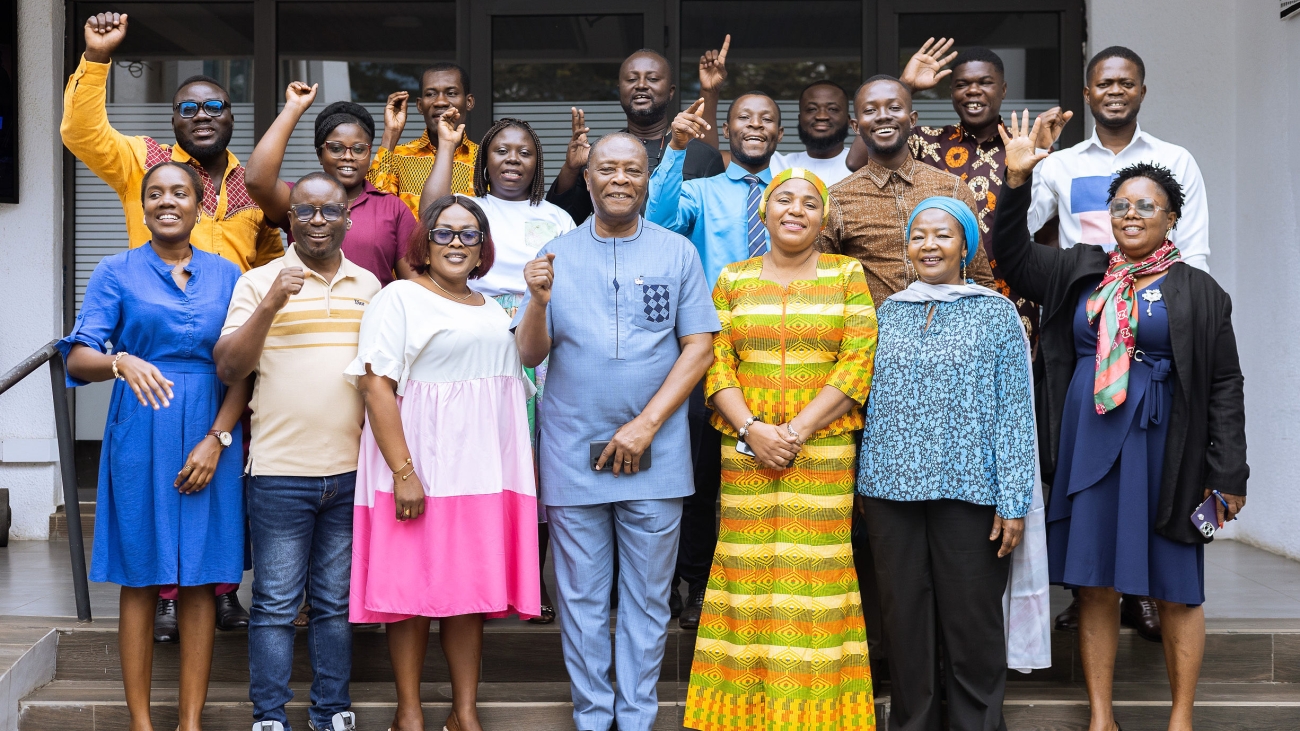
The Leadership Academy holds closing ceremony for Cohort One

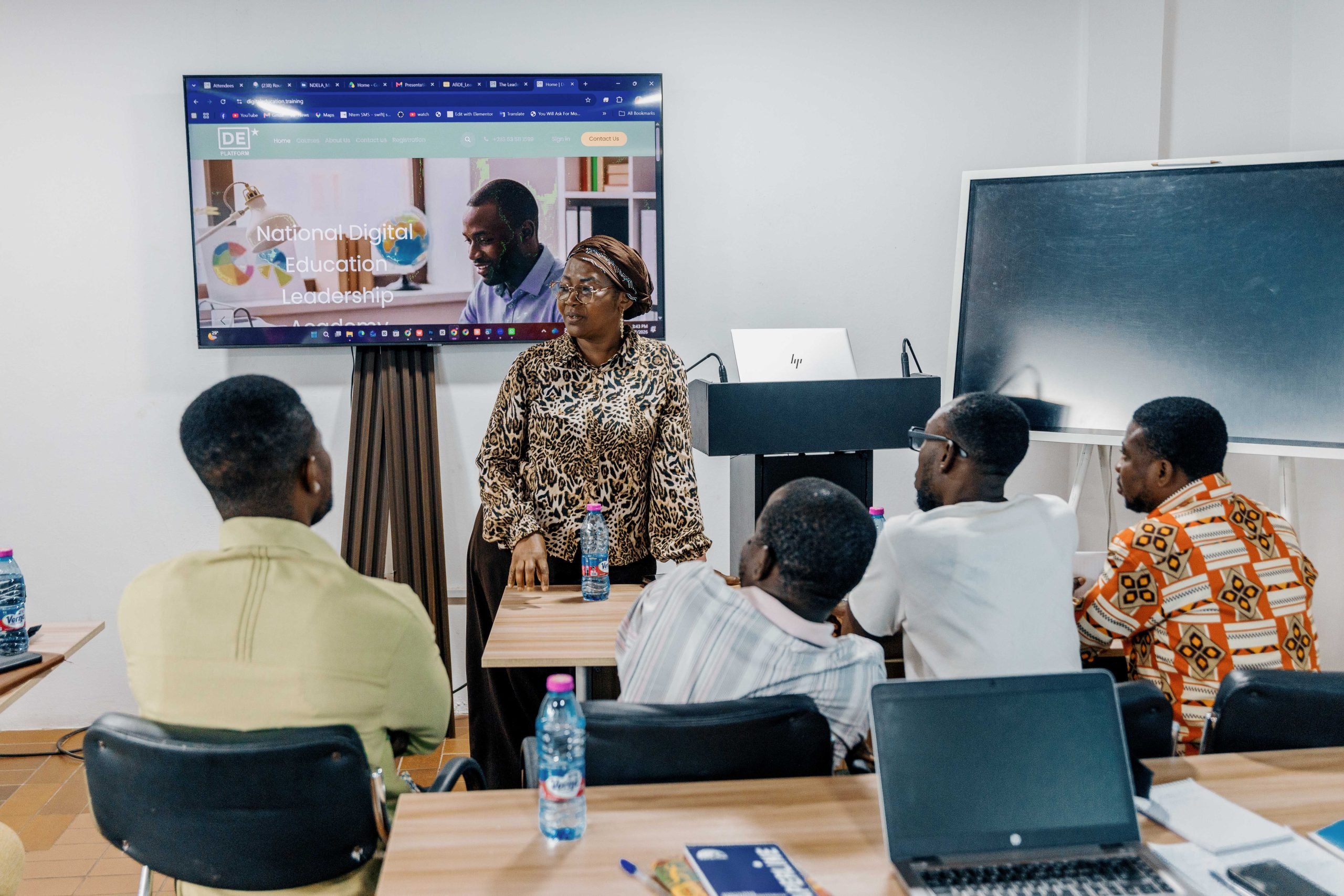
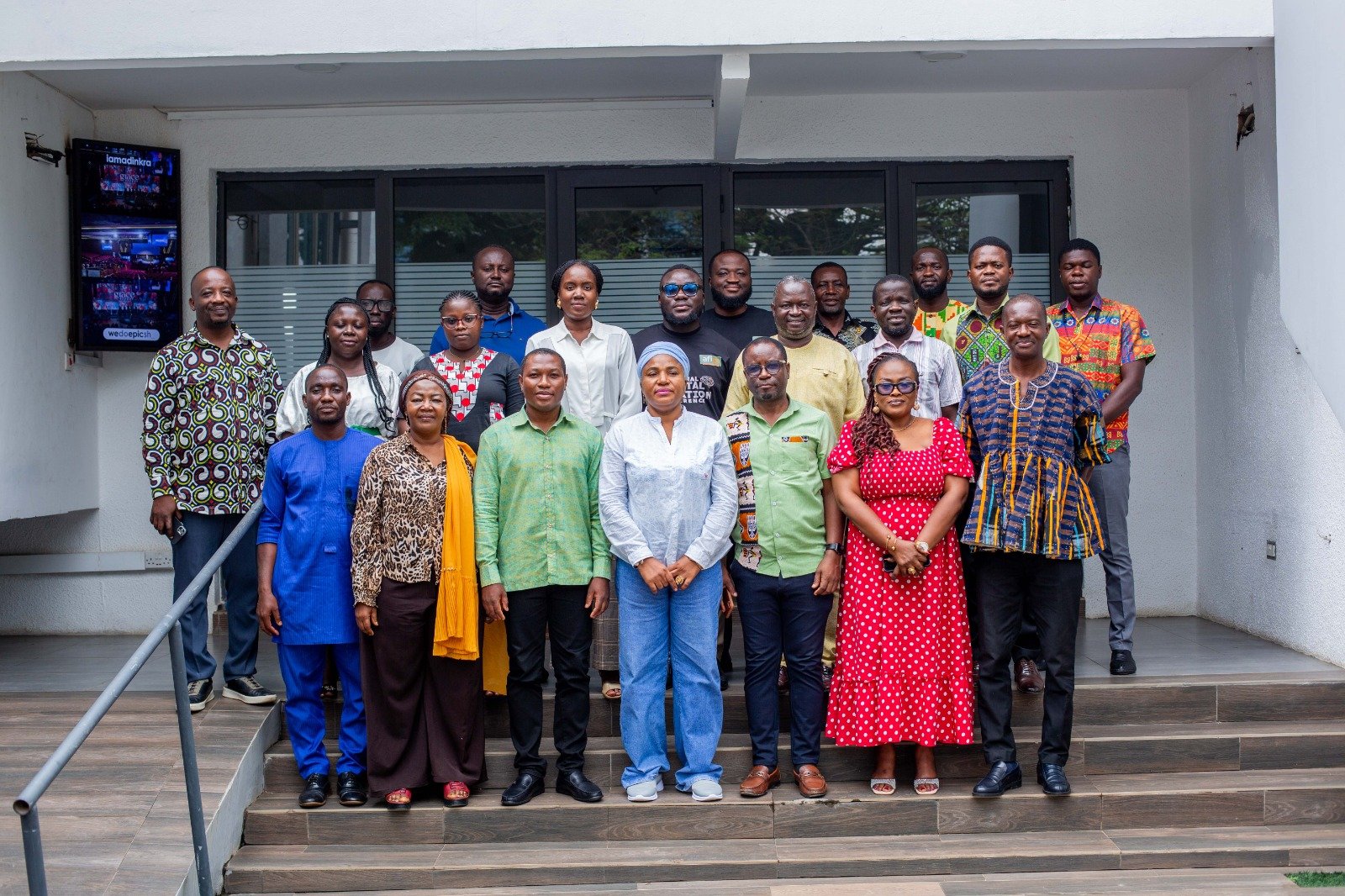
The Leadership Academy has closed its first cohort with a colourful ceremony held at Nyansa Square in East Legon on Saturday,15 August 2026.

Twenty school leaders were part of the cohort, which spent eight weeks in training under a programme delivered in partnership by afiDE Ghana and GSET. The closing ceremony, which ran from 8am to 5pm, brought together facilitators, mentors and partners from both organisations to mark the end of the journey.
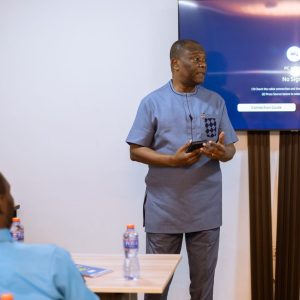
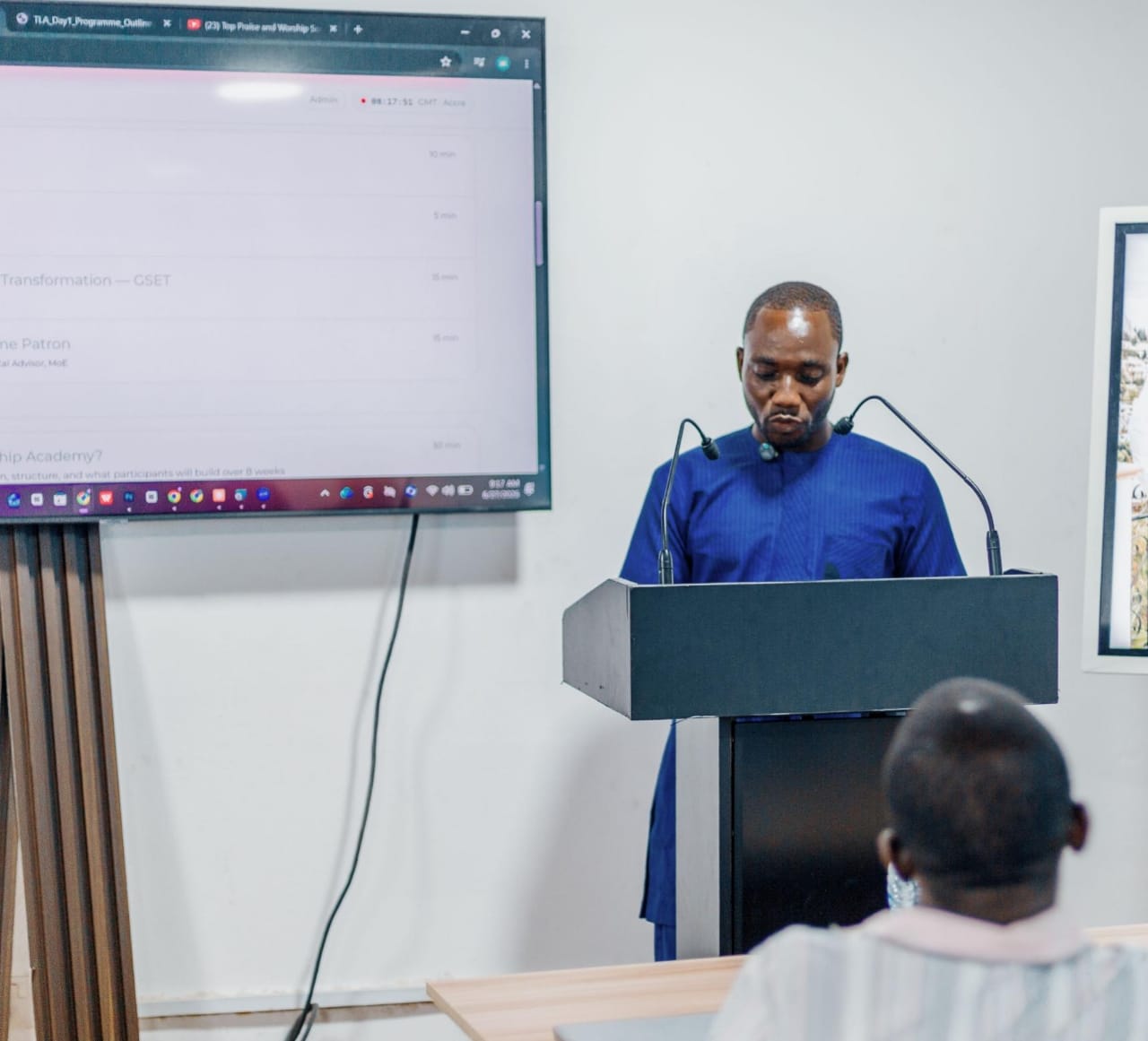
Emmanuel Sefadzi, the Digital Education Trainer for afiDE Ghana, who served as master of ceremonies, opened the programme with welcome remarks and introduced the guests present. He then took participants through a recap of the eight-week journey, reminding them of how far they had come since the programme began. Nicole Odudu who is the Digital Education Manager for afiDE Ghana, during the opening of the program, used the opportunity to introduce the school leaders to afiDE Ghana’s new General Manager, Mr. Eric Kwesi Oppong.

Professor George Kweku Toku Oduro, a prominent Ghanaian Educational Leader, former Pro Vice-Chancellor of the University of Cape Coast (UCC), the Technical Advisor to Ghana’s Minister of Education and the Patron of the Leadership Academy, delivered an address in which he commended the team behind the programme for their work. He said he was proud of what had been achieved and expressed hope to advise the Minister of Education on rolling out the programme on a full, national scale.
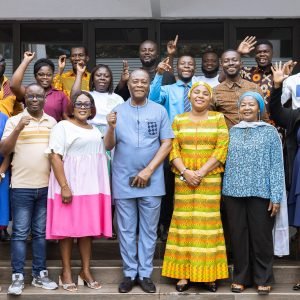
He noted that The Leadership Academy occupies a unique space in the education sector, pointing out that most programmes target students or teachers, while this one is designed specifically for school leaders. He added that the public should expect registration for Cohort Two to open in due course, and that afiDE Ghana remains ready to welcome any school into its community that wishes to embrace sustainable digital education. He rounded off his remarks with a pledge of his continued support to afiDE Ghana and GSET.

Joshua Kwesi Tetteh, who represented the facilitators from GSET, joined the ceremony online to deliver his remarks. He thanked afiDE Ghana, GSET, mentors and the participants for coming together to empower teachers across the country.

Four mentors attached to The Leadership Academy were also present at the ceremony, and Mr Selasie Tettey, a mentor on the programme and Proprietor of Acropolis Maranatha Academy, spoke on behalf of all four. He thanked the participants, afiDE Ghana, GSET and his fellow mentors for what he described as an impactful training aimed at school leaders in Ghana.

With the recap complete, attention turned to the main business of the day: the participants’ presentations. Some of the school leaders took turns to present their Digital School Strategy before an assessment panel, with each presenter given 15 minutes to make their case. Emmanuel Sefadzi managed a visible timer system throughout, signalling presenters at the 12-minute mark and enforcing a firm stop at 15 minutes.

Tina Coppson, Dean of Coordinators, delivered the closing address. She shared her own story from early in her career, recalling how she was posted to a village as a young, new teacher and had to find her way. She went on to speak of how that same determination helped her win awards and rise to the top of her field, using her journey to encourage the school leaders never to give up on their own goals.

Emmanuel Sefadzi returned to bring the programme to a close, outlining what comes next for the school leaders. He raised the possibility of an advanced programme in the future and shared ways for the leaders to remain connected to the network going forward.

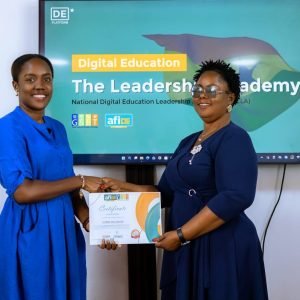
Participants were then called up individually to receive their Certificate of Participation, in what turned out to be the centerpiece of the day’s proceedings.

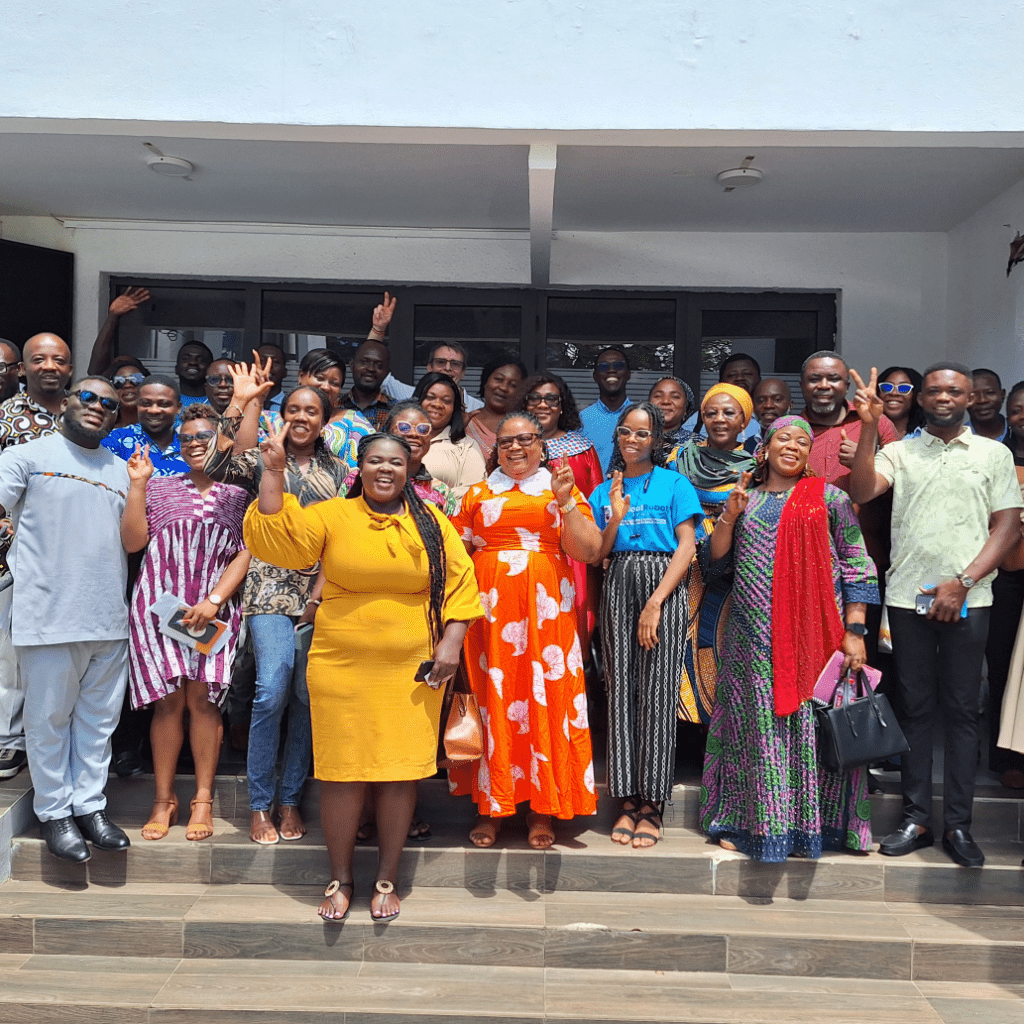
The ceremony wound down with networking, photographs and refreshments for all who attended.

Schools, businesses, NGOs and other organisations interested in joining afiDE Ghana’s community of sustainable digital education can get in touch: Phone: 053 511 1599 Email: info@afide.network Address: GD 216 2792, Adjiringanor, Accra Website: https://afide.network/contact/ In all, the event lasted about eight hours, from registration through to the final send-off.

20260724_120006

afiDE Ghana Joins Nileem Academy to Celebrate 3rd Graduation Speech  and Prize-Giving Celebration at Ho

afiDE Ghana Joins Nileem Academy to Celebrate 3rd Graduation Speech  and Prize-Giving Celebration at Ho

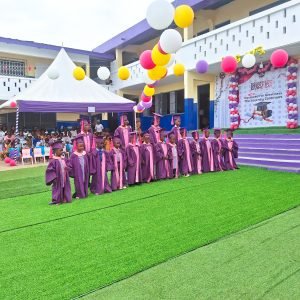
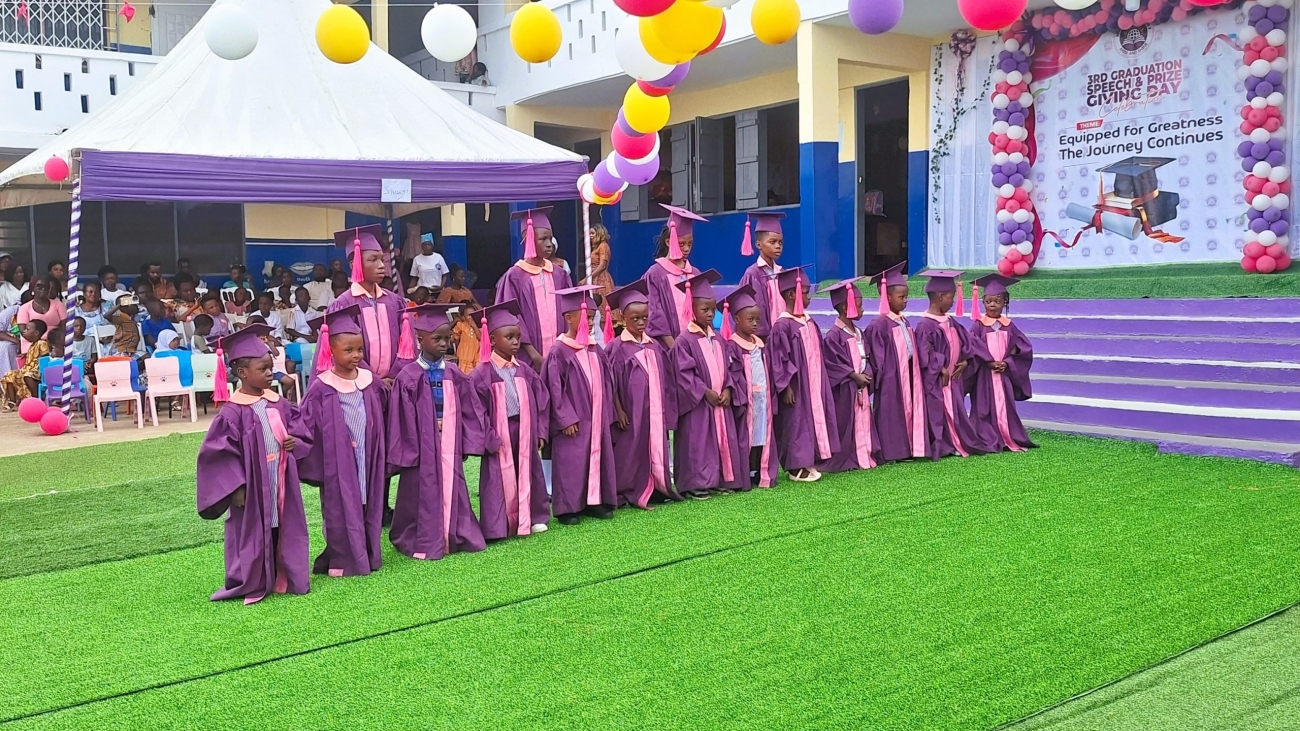
afiDE Ghana (African Digital Education network), joined Nileem Academy, a member school of the network, to celebrate the school’s 3rd Graduation Speech and Prize-Giving Celebration. The event, held on the premises of Nileem Academy, brought together students, parents, teachers, and other stakeholders in education.

The ceremony celebrated the academic achievements of 17 graduating students while also recognising the school’s growth over the past twenty years, including its progress as a member of the afiDE network working to strengthen digital education delivery for its learners.

Speaking at the event, the Headmistress of Nileem Academy acknowledged the benefits of digital education and the need for schools to embrace it. She thanked afiDE Ghana for its support in helping the school transition to sustainable digital education, describing the partnership as instrumental to the progress the school has made with the Board Members introduced.

Graduating students as well as some teachers received prizes and awards across various categories, including academic excellence, conduct, and leadership, in recognition of their performance during the academic year. Parents and guardians were also thanked for their continued support of the school’s vision. And as part of a broader effort to expand access to quality, technology-driven education across Ghana afiDE Ghana continues collaboration between itself and member schools like Nileem Academy,

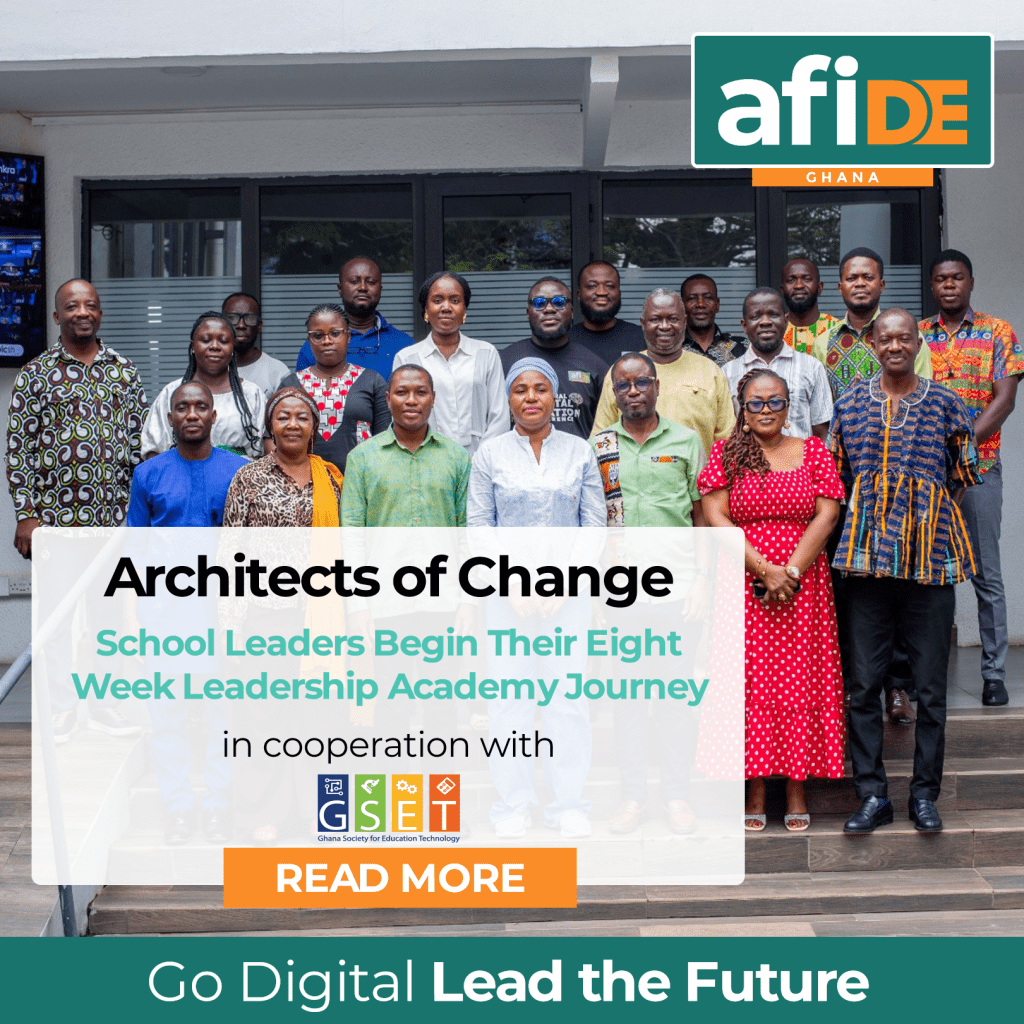
Architects of Change: School Leaders Begin Their Eight Week Leadership Academy Journey in Ghana

Inside the Foundation and Orientation Day for Cohort One of The Leadership Academy, where headteachers traded admin duties for digital ambition

School leaders from across Ghana gathered at Nyansa Square in Accra on Saturday for the Foundation and Orientation Day marking the start of Cohort One of The Leadership Academy, a new digital education leadership programme jointly delivered by afiDE Ghana and GSET.

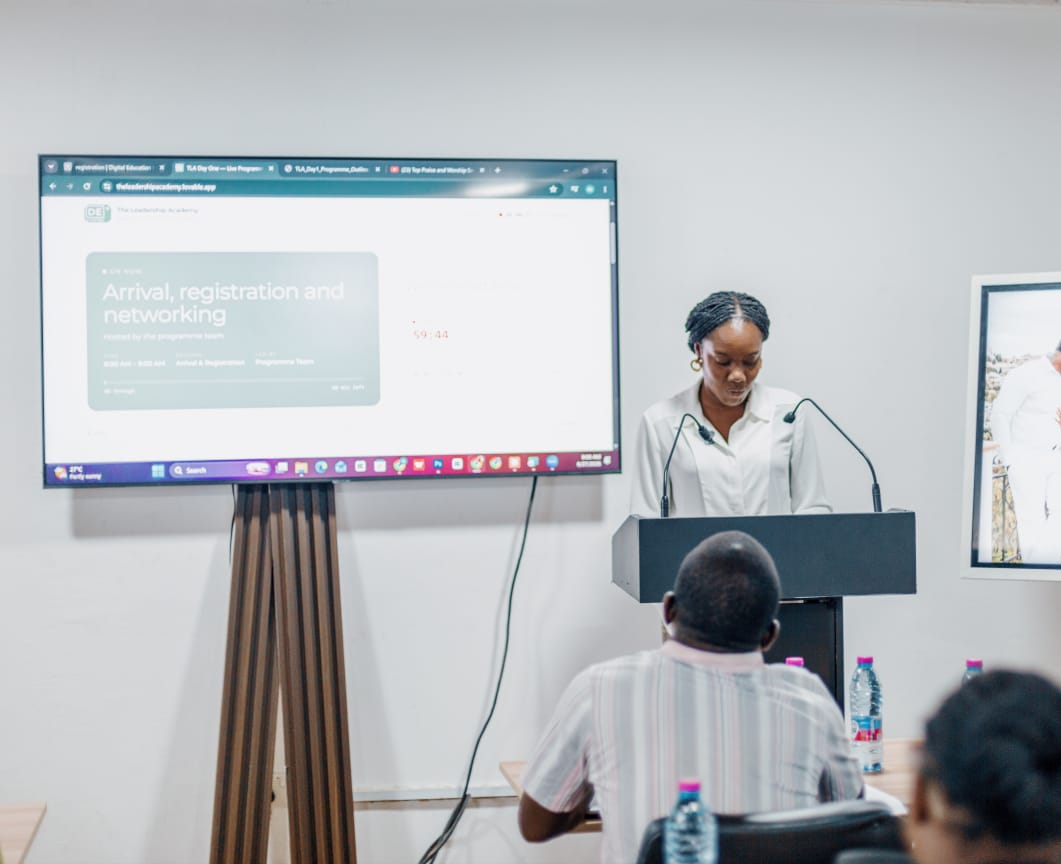
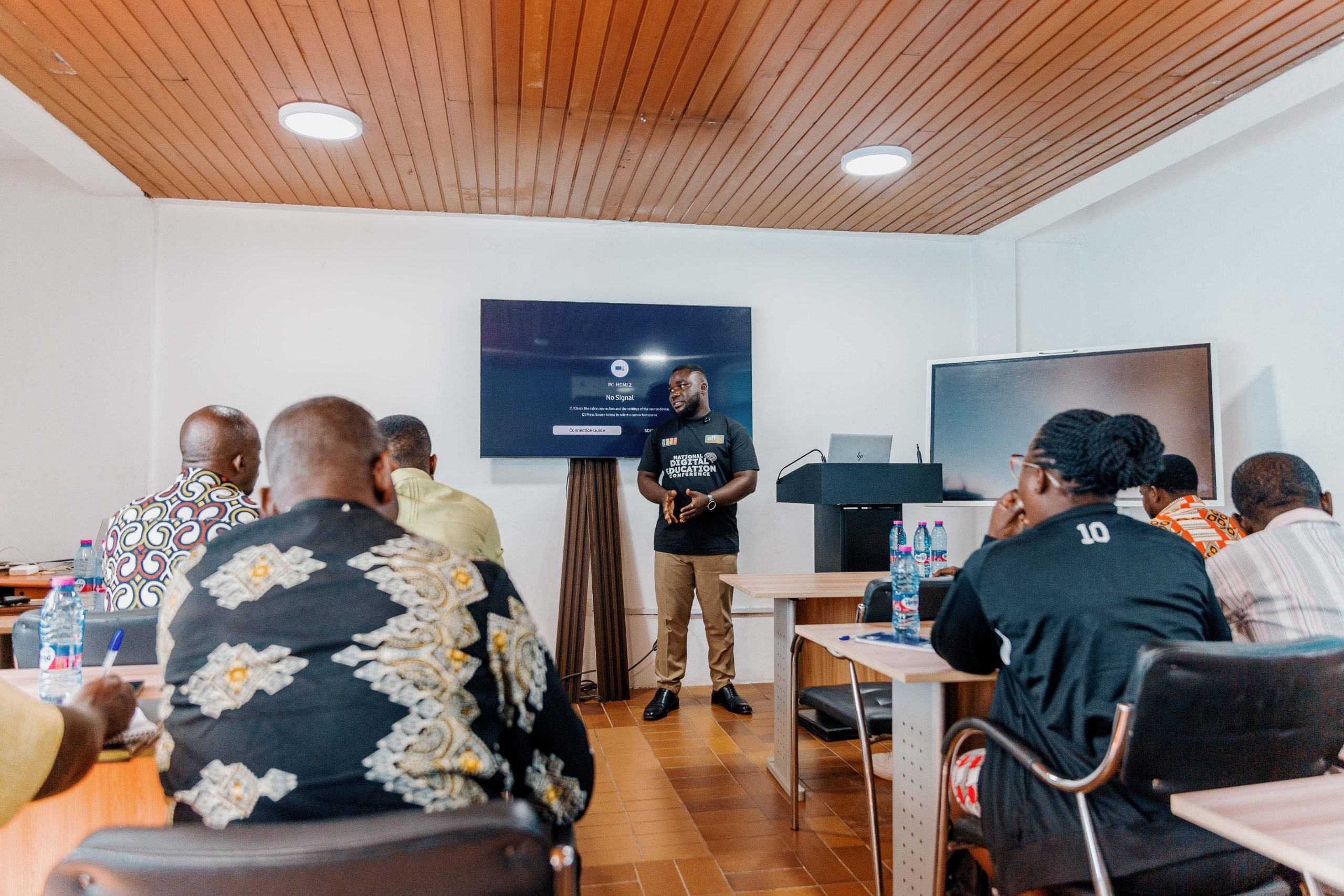
Among them was a participant who had travelled all the way from the Ahafo Region. He arrived early, notebook in hand, and brought with him an energy that set the tone for the day. By 8:00 a.m., the venue had filled with quiet anticipation as participants registered, settled in, and began making their first connections. The programme team had designed the day to be interactive, educative, and engaging, and the nine-hour session delivered on every count.

A Welcome Rooted in Gratitude and Vision

At 9:00 a.m., Nicole Odudu, Digital Education Manager at afiDE Ghana, opened proceedings with a welcome address that was both personal and reflective. She recalled that while The Leadership Academy had been officially introduced the previous year, the Foundation and Orientation Day represented the true beginning of a journey nearly a year in the making. She took a moment to acknowledge the afiDE Ghana team, recognising the countless meetings, careful planning, and unwavering commitment that had brought the programme to life.

Addressing the fellows directly, Nicole encouraged them to approach the eight weeks ahead with openness, curiosity, and a genuine willingness to grow. She reminded them that while the knowledge gained within the programme is valuable, it is the relationships built and the actions taken beyond it that will ultimately define their leadership journey. She closed on a note that would echo throughout the rest of the day: that leadership is not about titles, but about service, responsibility, and the courage to create positive change.

A Message Across Borders: Pim de Bokx Speaks from the Netherlands

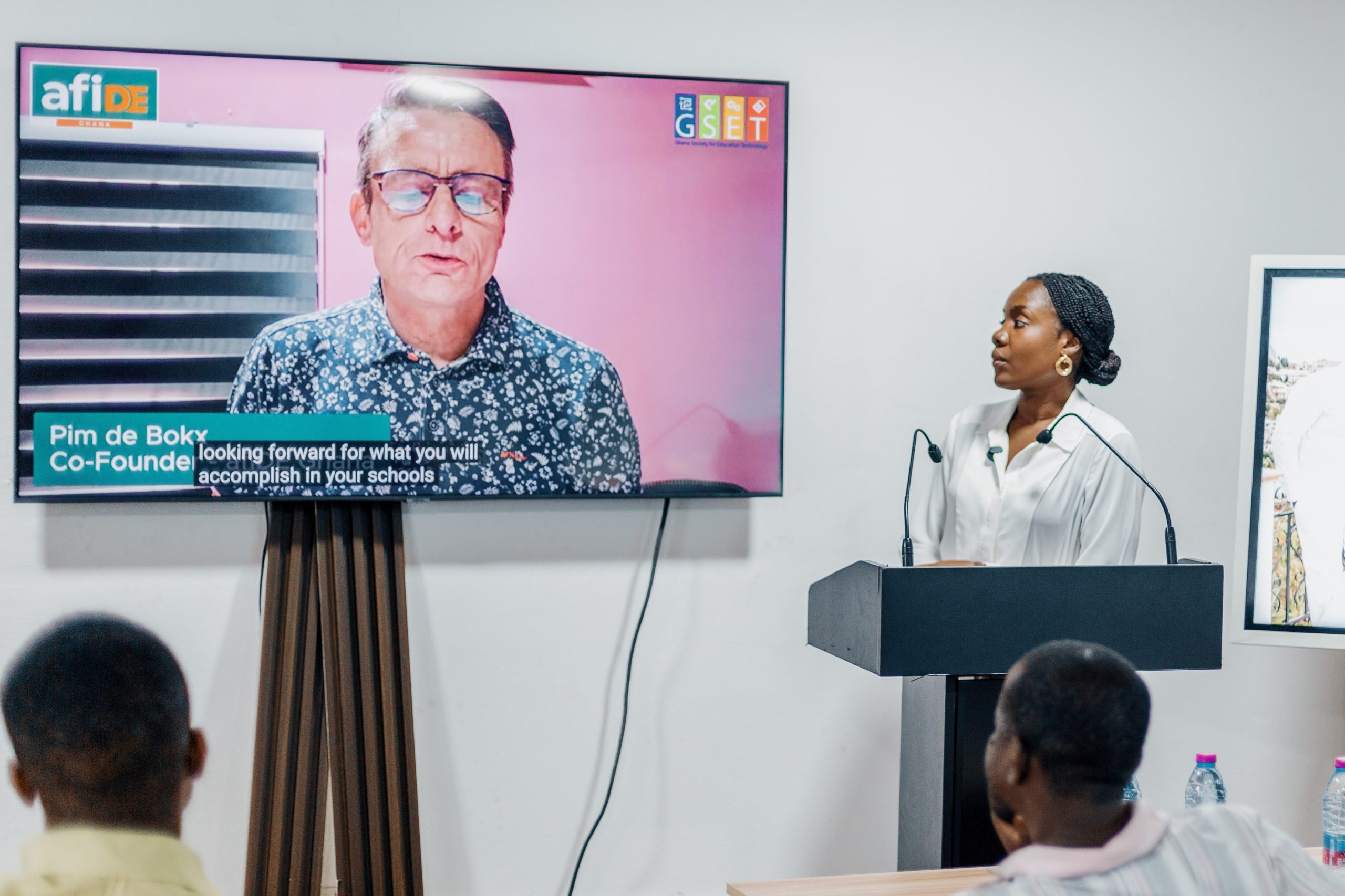
The team then played a video address from Pim de Bokx, Co-Founder and Acting General Manager of afiDE Ghana, joining the session from the Netherlands. His message was warm, direct, and anchored in a clear diagnosis of the problem The Leadership Academy was created to solve: that digital transformation in schools does not fail because of technology, but because leadership is not fully empowered to drive it.

Pim congratulated participants not only for being selected, but for choosing to step into a space that is still evolving and not always straightforward. Drawing on afiDE Ghana’s experience working with over fifty schools, he was candid that the programme does not arrive with all the answers, but is built from years of listening to school leaders and learning from the realities of the field. He was equally clear about ownership: what the programme becomes for each participant depends entirely on what they choose to do with it each week.

He closed with a thought that lingered in the room long after the screen went dark. When many school leaders can lead the shift to digital education in ways that genuinely improve learning, they are not simply changing their schools. They are shaping the direction of education itself.

A Call to Lead Digital Transformation

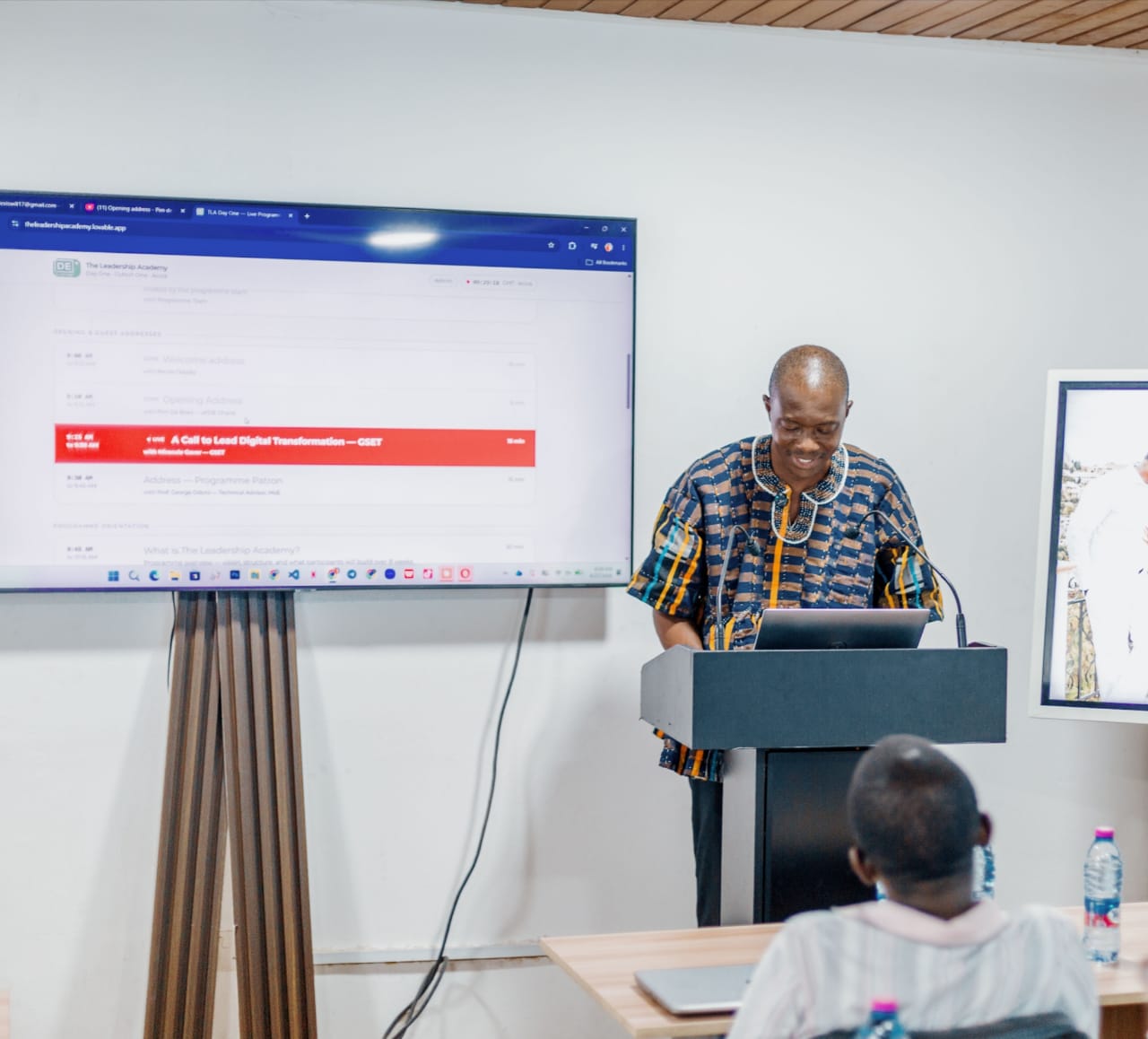
Two guest addresses followed, each framing the wider purpose and responsibility at the heart of the programme. Mr Governor Fianyo, Director of ICT at NaCCA, delivered the first address on behalf of Mr Miracule Gavor of GSET. Titled “A Call to Lead Digital Transformation,” the address challenged participants to see themselves not as administrators managing change from a distance, but as architects actively building it from within.

Professor George Oduro, the programme’s Patron and Technical Advisor to the Minister of Education, was represented by Isaac Yeboah, who delivered a thoughtful address on the weight of responsibility school leaders carry in shaping Ghana’s digital education future. Both addresses were received warmly, with several participants reaching for their notebooks as the speakers made their key points.

Eight Weeks, One Strategy, One Mission

With the opening addresses complete, Emmanuel Sefadzi, Programme Coordinator of The Leadership Academy and Digital Education Trainer at afiDE Ghana, took the floor to walk participants through what the programme actually offers. Over eight weeks, each school leader will progress from the foundations of strategic thinking through to a completed Digital School Strategy, which every participant will present formally in Week 8. Emmanuel laid out the vision, the structure, and the week-by-week journey participants could expect, giving the room a clear picture of the road ahead.

Saturday’s gathering marked the only in-person session of the cohort. All future sessions will be delivered through The Leadership Academy platform, and the team took time to walk participants through the sign-up process step by step, covering how to log in, navigate the portal, and access their course materials. The team also confirmed that a second cohort is planned before the end of the year, once Cohort One concludes.

Patchy Networks, Hesitant Staff, Stretched Budgets: The Real Talk Begins

Introductions brought the room to life in a way that formal proceedings rarely do. Each participant shared their name, their school, and one digital challenge keeping them up at night. The concerns were candid and wide-ranging: patchy infrastructure, staff reluctant to embrace change, and budgets stretched well beyond what digital ambitions require. The participant from the Ahafo Region stood out once again, this time for the directness and energy he brought to the conversation.

From Theory to Strategy: The Learning Begins

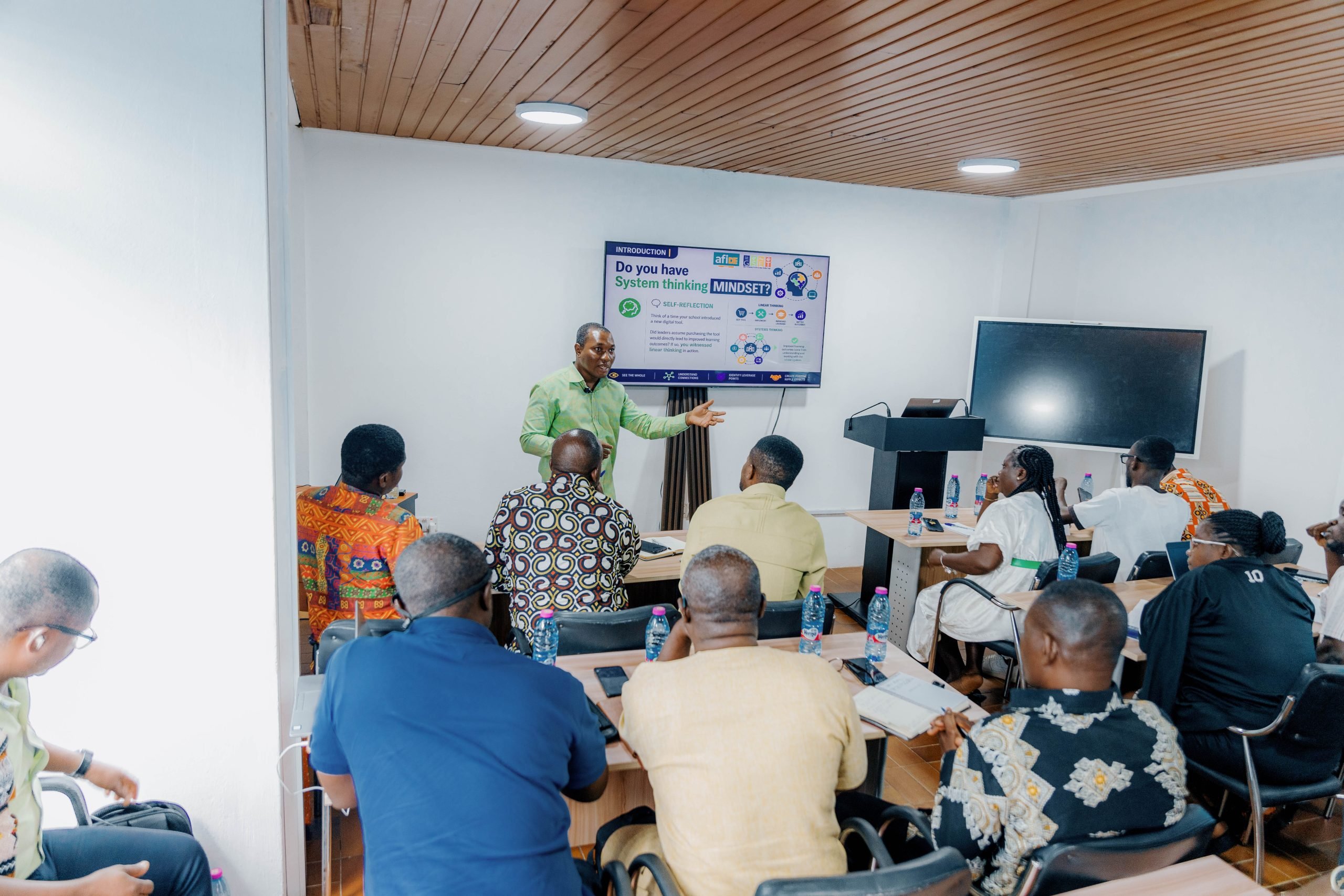
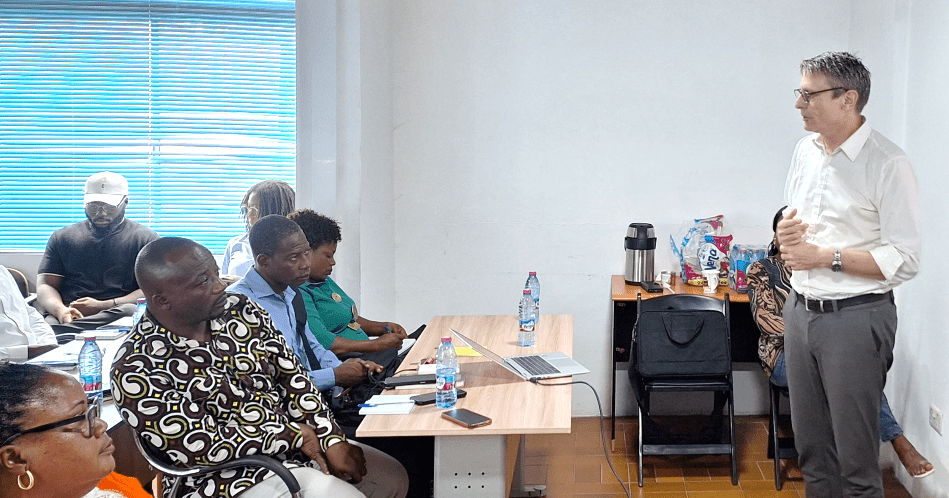
The academic portion of the day opened after a short snack break with the first unit of Module One, Foundations of Systems Thinking. Rather than a conventional lecture, the facilitator built the session around discussion and real-world scenarios, prompting participants to think critically about how change in one part of a school ripples across everything else. By the end of the session, participants had begun drafting early outlines of their own digital vision.

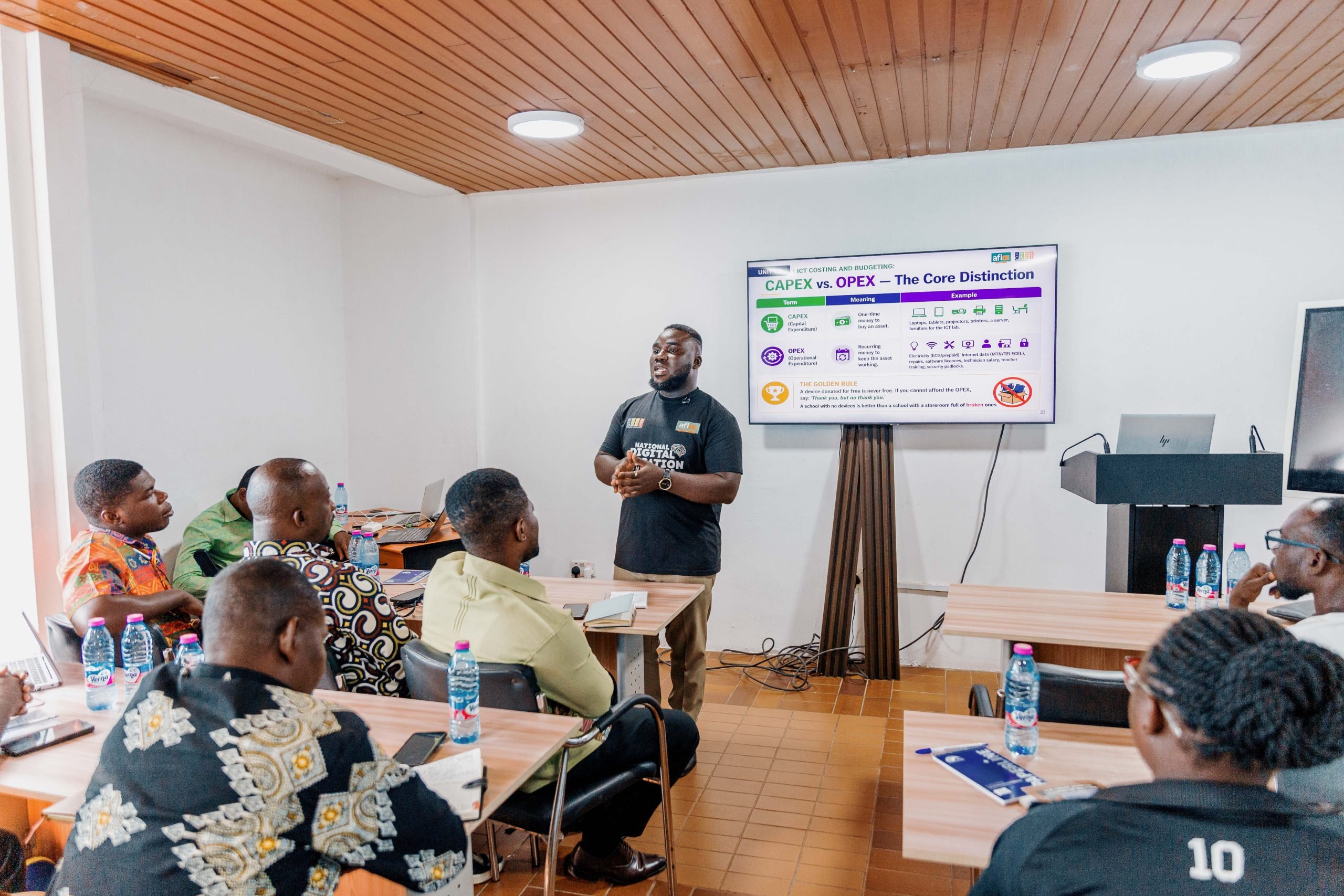
A second session on Introduction to Digital Strategy followed the same participatory format, with school leaders stress-testing their ideas against each other’s experiences and contexts. After lunch, the focus shifted to ICT Costing and Budgeting, a session that gave participants a practical and often sobering look at the true cost of digital initiatives once training, ongoing support, and maintenance are factored into the picture.

Building the Strategy: Emmanuel Returns to the Floor

The afternoon’s closing session saw Emmanuel return to the floor to introduce participants to the centrepiece of the entire programme: the Digital School Strategy. He walked the room through what the strategy is, how it is built week by week through the platform, and what a finished strategy looks like when presented in Week 8. It was a moment that brought the full arc of the programme into sharp focus, connecting the morning’s vision to the practical work that now lay ahead.


Meet Your Mentor: The Journey Beyond the Room

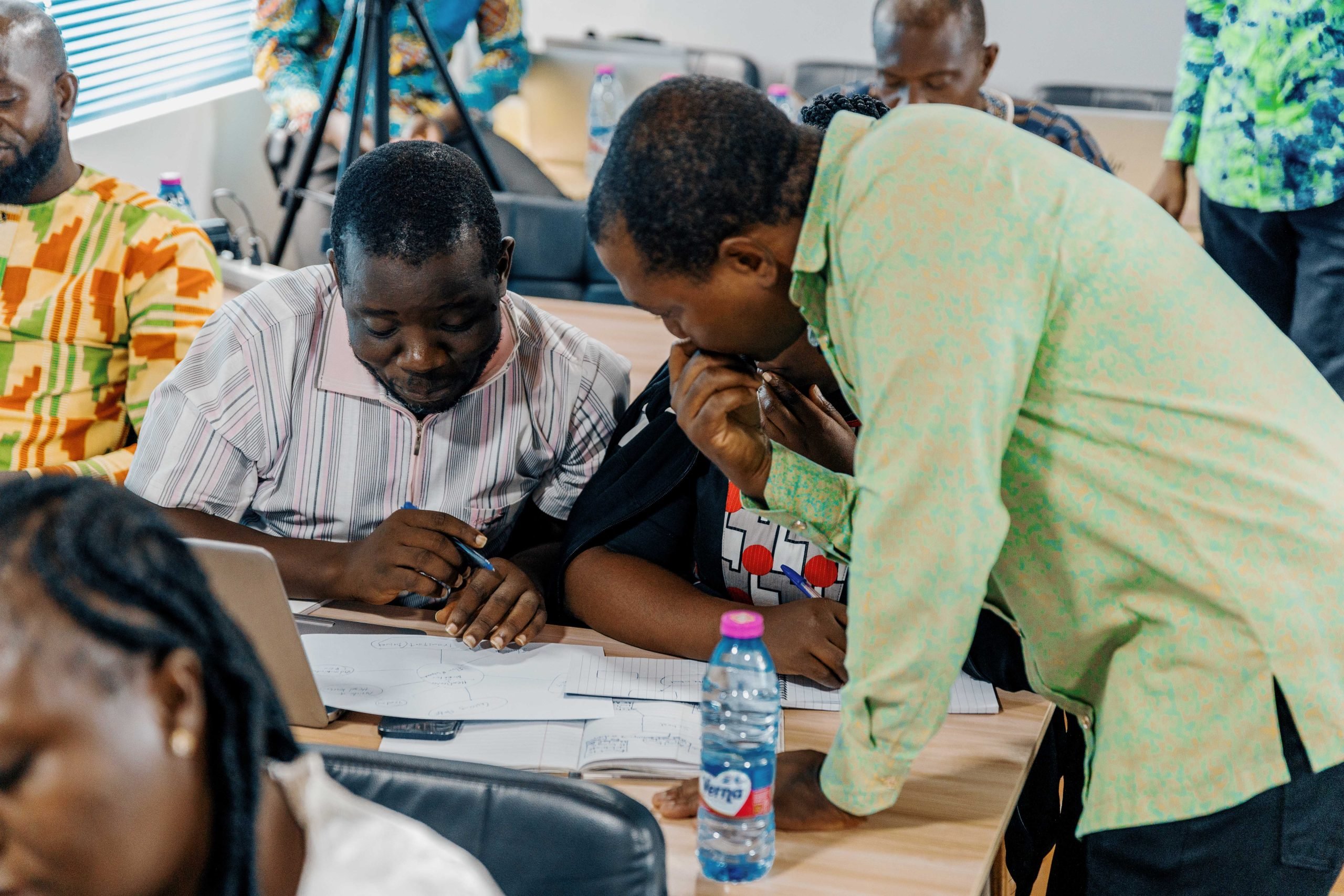
The most anticipated moment of the afternoon followed immediately after, when participants were placed into peer groups of five and formally introduced to their mentors. These mentors will provide regular check-ins throughout the eight weeks, supporting each group as they develop their Digital School Strategy, largely through the platform rather than face to face.

The facilitator then led the school task briefing, asking each participant to name one concrete action they would take at their school before Week 2 begins, a small but deliberate commitment that turned the day’s reflection into accountability. Emmanuel closed the session with final remarks, reminding participants of what to expect in the weeks ahead and encouraging everyone to log into the platform and prepare for what comes next.

Beyond Day One: What This Means for Schools and Ghana

The significance of what began on Saturday extends well beyond the twenty leaders who filled that room. Each participant returns to their school carrying not just new perspectives, but a structured, eight-week framework for translating digital ambition into a concrete and workable strategy. Critically, that framework is designed around the real obstacles school leaders face every day: unreliable infrastructure, staff who are hesitant to change, and budgets that rarely stretch as far as the vision demands.

As these Digital School Strategies take shape and move into implementation, the benefits will be felt across entire school communities. Teachers will be led by principals who understand the strategic, financial, and human dimensions of digital transformation. Students will learn in environments shaped by deliberate and informed decision-making rather than reactive technology adoption. And school boards and parents will gain greater confidence in the digital direction their institutions are taking.

At a national level, the programme speaks directly to Ghana’s broader ambition for digital transformation in education. By building strategic leadership capacity at the school level, The Leadership Academy is creating a network of administrators equipped to bridge the gap between national policy and everyday school reality. With a second cohort expected before the end of the year, the momentum is already building. School leaders who missed out on Cohort One are encouraged to follow The Leadership Academy’s channels for updates on when applications for Cohort Two will open.

Twenty school leaders now share one mission, with eight weeks ahead of them and a movement quietly taking shape behind them.

The Leadership Academy is delivered by afiDE Ghana and GSET. For more information on the programme, visit: https://afide.network/what-you-need-to-know-about-our-leadership-academy-and-why-your-school-needs-it-now/

School Leaders work together on the Future of Digital Education

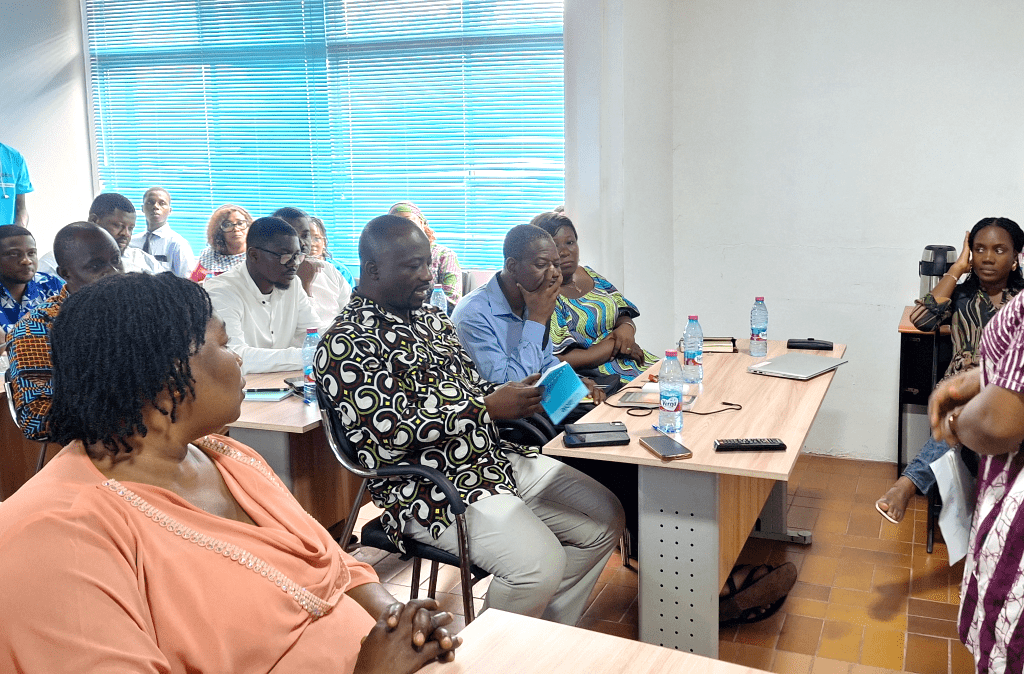
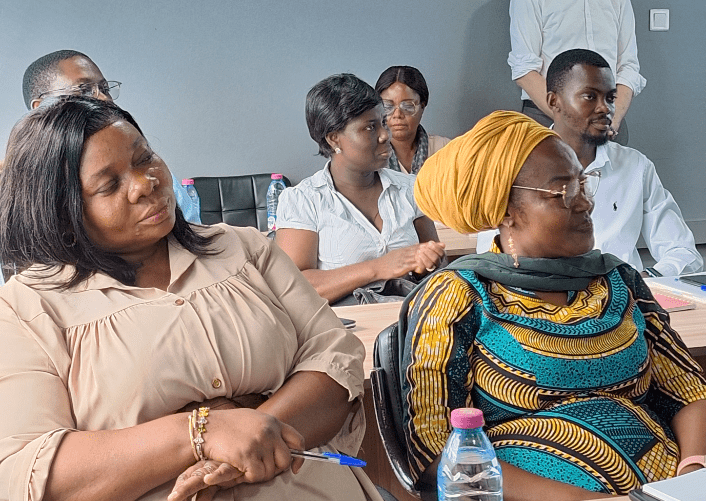
afiDE Ghana convened its annual Member Schools Meeting on Tuesday, 16 June 2026, bringing together 32 school leaders from 24 member schools across its growing network of more than 50 institutions. The gathering provided a space to reflect on progress, share updates on key initiatives, and shape the future of digital education in Ghana.

Held at Nyansa Square in East Legon, the meeting centred on the theme From Network to Working Together in Practice. It marked a shift from simply connecting schools to actively strengthening collaboration, shared learning, and joint action across the network.

Opening Remarks

The meeting was opened by afiDE Ghana’s Service Area Coordinator, Zita Nyarko, who welcomed participants and set the tone for the day. She framed the meeting not as a routine annual event, but as a purposeful space for reflection, contribution, and collective planning.

Zita emphasised that the theme signalled afiDE Ghana’s evolving direction: moving beyond maintaining a network towards building a community that works together in practice. She encouraged participants to engage openly, noting that school leaders play a central role in shaping how afiDE Ghana grows and delivers value.

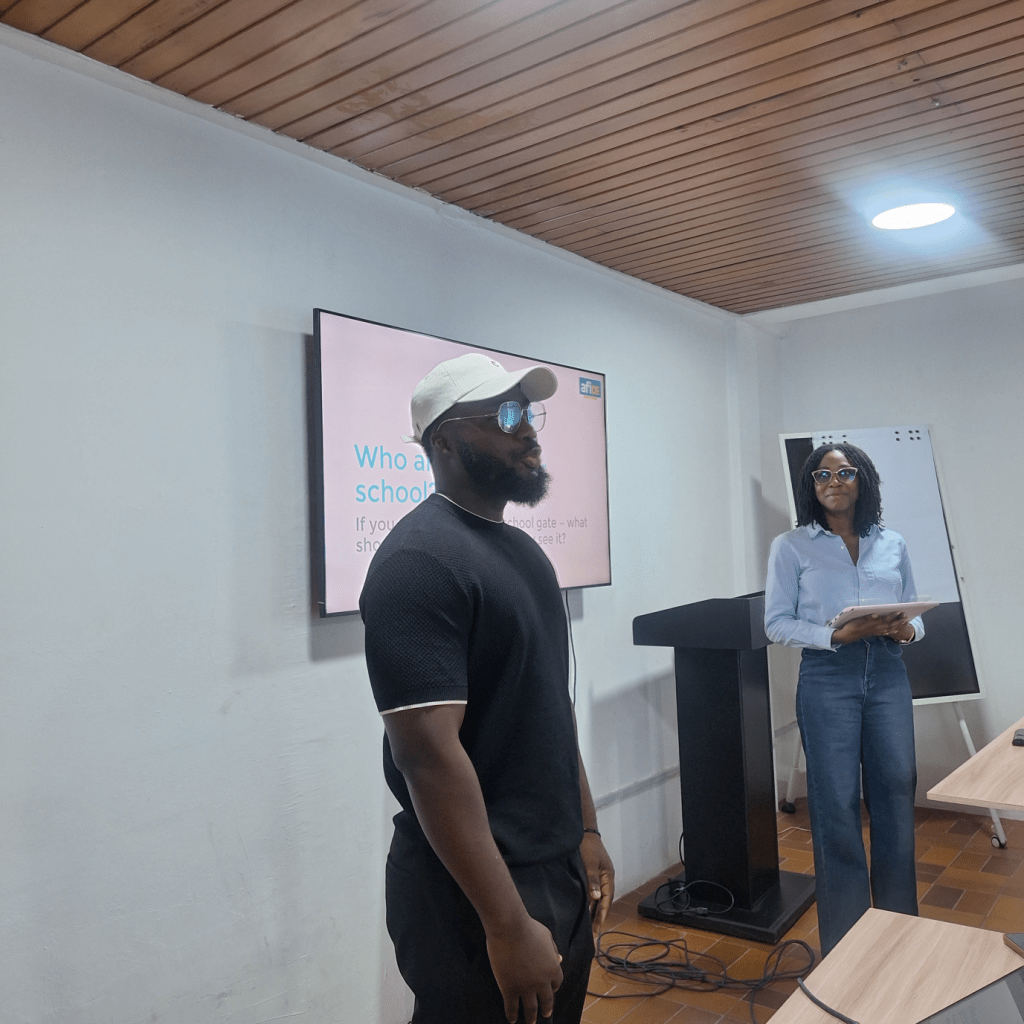
The programme combined presentations, discussions, and interactive activities designed to encourage participation throughout the day. Ice-breakers facilitated by Digital Education Trainer Emmanuel Sefadzi helped create an energetic atmosphere and foster connections among leaders from across the network.

Progress Since the Last Meeting

Emmanuel Sefadzi presented a review of progress since the previous Member Schools Meeting on 12 May 2025. Over the past year, afiDE Ghana has expanded its reach through digital education programmes targeting both teachers and school leaders.

Key achievements included:

  • Growth in the member school network
  • Increased teacher participation in digital skills training
  • Expanded resources on the Digital Education Platform

These efforts have strengthened teachers’ ability to integrate technology into classroom practice, improving learning experiences for students.

afiDE Ghana reaffirmed its ambition to reach 250 schools by 2030, contributing to Ghana’s national agenda to expand digital learning and prepare young people for a connected world

Strengthening a Member-Based Organisation

General Manager Pim de Bokx led a central session focused on building a stronger member-based organisation. He highlighted a notable shift: member schools increasingly see afiDE Ghana as a partner embedded in their digital education journeys, rather than simply as a service provider.

“As schools continue to develop their digital education capacity, our role is not only to provide solutions but also to support leadership, collaboration and long-term sustainability.”

The session invited active participation. School leaders discussed what they value about their membership, what they would like to see more of, and how they can contribute to the network’s future. The discussion demonstrated strong appetite for a more participatory and collaborative model.

Identity and Positioning

Clinton Nyarkoh from iSupreme presented ongoing work on afiDE Ghana’s identity and positioning. As the organisation grows, its communication must clearly and confidently reflect its purpose and impact.

The session explored how afiDE Ghana presents itself to schools, partners, and the wider public—examining its values, messaging, and visual identity. Participants actively contributed ideas and feedback.

A key takeaway was that positioning is not just a branding exercise, but an expression of the shared ambition of member schools and the communities they serve, proven by the fact that the members chose the following core narrative to share with others: ‘afiDE makes digital education actually work’, above versions that put the emphasis on leadership or ambition.

Launch of the Leadership Academy

Digital Education Manager Nicole Odudu introduced the afiDE Ghana Leadership Academy, formally launching the programme. The Academy is designed to equip education leaders with the skills, knowledge, and networks needed to drive meaningful digital transformation.

Developed with input from experienced school leaders, the programme offers:

  • Mentorship
  • Peer learning
  • Practical guidance on leading change

The first cohort will begin in June 2026, marking an important step in placing leadership at the centre of afiDE Ghana’s work.

Schoolrobot: Expanding Digital Tools

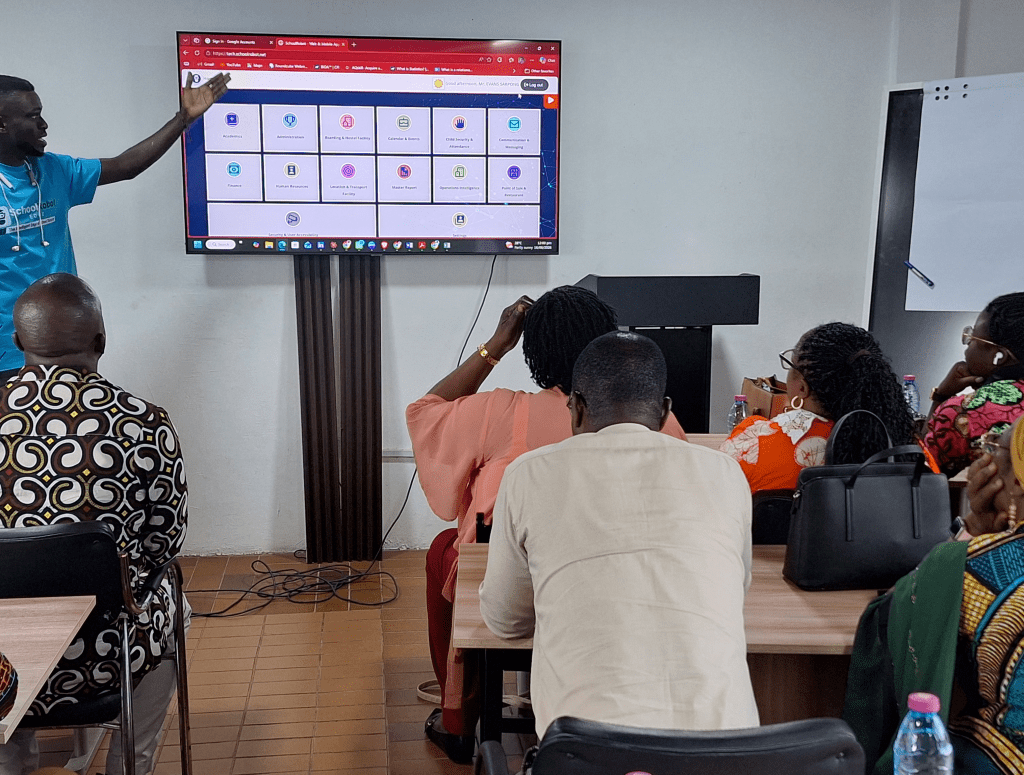
Evans Sarpong from Schoolrobot presented their platform, which offers tools to streamline school administration, support teacher development, and enable data-driven decision-making.

School leaders explored how the platform could integrate into their existing systems, and several expressed interest in piloting the solution. afiDE Ghana and Schoolrobot will continue discussions on how best to adapt the platform to different school contexts.

Expanding Support for Schools

Participants received updates on several initiatives aimed at strengthening support, including:

  • Continued development of the Digital Education Platform
  • Collaboration with GSET on a Teacher Experience Centre in Koforidua
  • Introduction of advisory services to support school-level strategy development

These efforts reflect afiDE Ghana’s vision of building a thriving community of forward-looking schools committed to innovation, collaboration, and continuous improvement.


Member Voices

A dedicated feedback session gave school leaders space to share their experiences, aspirations, and concerns. While participants expressed appreciation for ongoing support, they also provided constructive input.

Key themes included:

  • Demand for stronger peer learning between schools
  • Need for programmes tailored to different school contexts
  • Interest in greater visibility of progress across the network
  • Strong enthusiasm for the Leadership Academy

The session reinforced the importance of listening and responsiveness within afiDE Ghana’s member-based approach.


Closing and Looking Ahead

Zita Nyarko closed the meeting by thanking participants for their active engagement and reaffirming afiDE Ghana’s commitment to building a supportive and empowering community.

She encouraged school leaders to:

  • Share insights with their teams
  • Nominate participants for the Leadership Academy
  • Explore collaboration opportunities within the network

The meeting highlighted the critical role of collaboration, shared learning, and leadership in shaping the future of education in Ghana.

Networking and Conclusion

The day concluded with a networking lunch, allowing participants to continue conversations in a relaxed setting. School leaders connected with one another, the afiDE Ghana team, and partners including iSupreme and Schoolrobot.

The atmosphere at the close of the meeting was one of optimism and shared purpose. School leaders arrived as members of a network—and left as partners in a growing movement to transform education in Ghana.

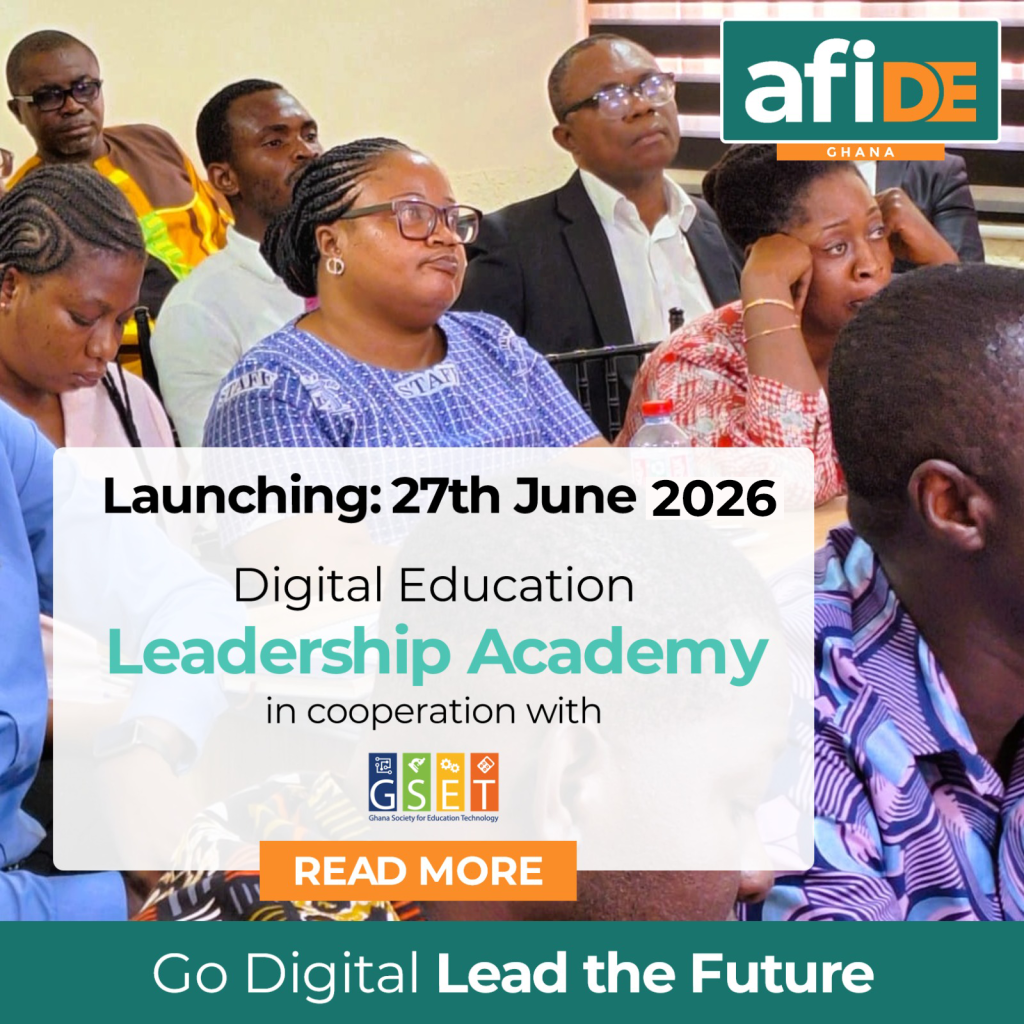
The Digital Education Leadership Academy Launches on 27 June 2026

afiDE Ghana, in partnership with GSET, is launching the National Digital Education Leadership Academy (NDELA) — a practical, action-oriented programme designed to strengthen digital education across Ghana. The first cohort will commence on 27 June 2026 at Nyansa Square in Accra, bringing together school leaders ready to take the next step in advancing digital education in their schools.

Leading Digital Education Starts with Leadership

As Ghana continues its digital transformation, many schools face a common challenge:

> not the lack of technology — but the lack of structured leadership to use it effectively.

Digital education is not simply about introducing tools. It requires:

  • clear direction
  • confident leadership
  • alignment within schools
  • and sustainable implementation

Without this, even strong investments in technology struggle to deliver impact.

The Leadership Academy has been designed to address exactly this gap — by equipping school leaders to lead change, not just adopt technology.

From Intention to Implementation

School leaders often express strong ambition for digital education, but face real challenges in practice:

  • securing sustainable funding
  • aligning stakeholders
  • integrating technology into teaching and learning
  • managing resistance to change

The Academy supports leaders in navigating these realities — turning ambition into concrete action.


Who the Academy is For

The programme is designed for:

  • Directors
  • Principals
  • Head Teachers
  • School administrators

— leaders who are ready to actively strengthen digital learning in their schools and take ownership of the process.

A Practical, Integrated Learning Journey

The Leadership Academy runs over eight weeks and combines in-person and online learning:

  • Two full-day in-person sessions (Nyansa Square, Accra)
  • Six online masterclasses delivered flexibly
  • Weekly collaboration sessions for peer learning and exchange
  • Practical assignments directly linked to each participant’s school

This structure ensures that learning is not theoretical, but immediately applied in real school contexts.

Participants will engage with a series of masterclasses that address the most critical dimensions of digital education, including:

  • Leading in a Digital Age and managing change within schools
  • Moving from computer literacy to meaningful digital learning
  • Building a sustainable digital learning culture
  • Financing and sustaining digital transformation
  • Aligning school initiatives with national education priorities

What Participants Will Gain

By the end of the Academy, participants will be able to:

  • Lead digital transformation within their schools
  • Develop and implement a clear digital education strategy
  • Improve digital learning outcomes for teachers and students
  • Plan and manage sustainable ICT systems
  • Use data to monitor progress and adapt their approach

From Learning to Action

A central element of the programme is the development of a Digital Education Strategy and 90-Day Commitment Plan.

Each participant will define:

  • clear priorities
  • concrete actions
  • measurable steps

to implement within their own school.

This ensures the Academy leads not only to learning, but to visible and sustainable change.

Building a Stronger Digital Education Ecosystem

The Leadership Academy is more than a training programme — it is part of a broader effort to strengthen digital education across Ghana.

By empowering school leaders, afiDE Ghana and GSET aim to:

  • build stronger, more resilient schools
  • create a network of forward-looking education leaders
  • accelerate the development of meaningful digital learning

About afiDE Ghana

afiDE Ghana (African Digital Education network) works with schools, partners, and education leaders to scale sustainable digital education across Ghana.

Through its membership model, advisory services, and learning programmes, afiDE supports schools in moving from ambition to implementation — and from isolated efforts to a connected, learning-driven network.

📍 Adjiringanor, Accra  

📞 053 511 1599  

📧 <info@afide.network>

Eastern Region Leads: Future Teachers Build, Practice and Graduate – Digital Education Week Closes in Aburi

Theme: Eastern Region Leads – Educators at the Forefront of Sustainable Digital Education

Day 3 of Digital Education Week stayed in Aburi — and things became even more practical. After a strong Day 2 of learning and discussions, the focus of afiDE’s Bronze training at PWCE now shifted fully to: building, practising, and gaining confidence. And once again, it showed: The Eastern Region is not waiting. It is leading.

From learning concepts… to creating things

Student teachers came back ready to dive into the 2nd day of the Bronze training, facilitated by afiDE trainer Albert Dunoo.

No long lectures, straight into action.

Using PictoBlox and Scratch, they:

* built simple applications

* tested their ideas

* worked step by step through problems

* supported each other in small groups

The room was focused.

But you could also feel something else: Confidence growing.

Because this was not just theory anymore.

It was real work.

Future teachers gaining real digital confidence

What stood out clearly on Day 3:

These are student teachers who will soon be in classrooms across Ghana.

And now, they are:

  • not afraid of digital tools
  • able to understand how systems work
  • ready to guide students through digital learning

This is the shift we are looking for, from:

  • using ICT to teaching with digital understanding

A proud moment: certification

At the end of the day, the atmosphere changed.

It was time to recognise the work.

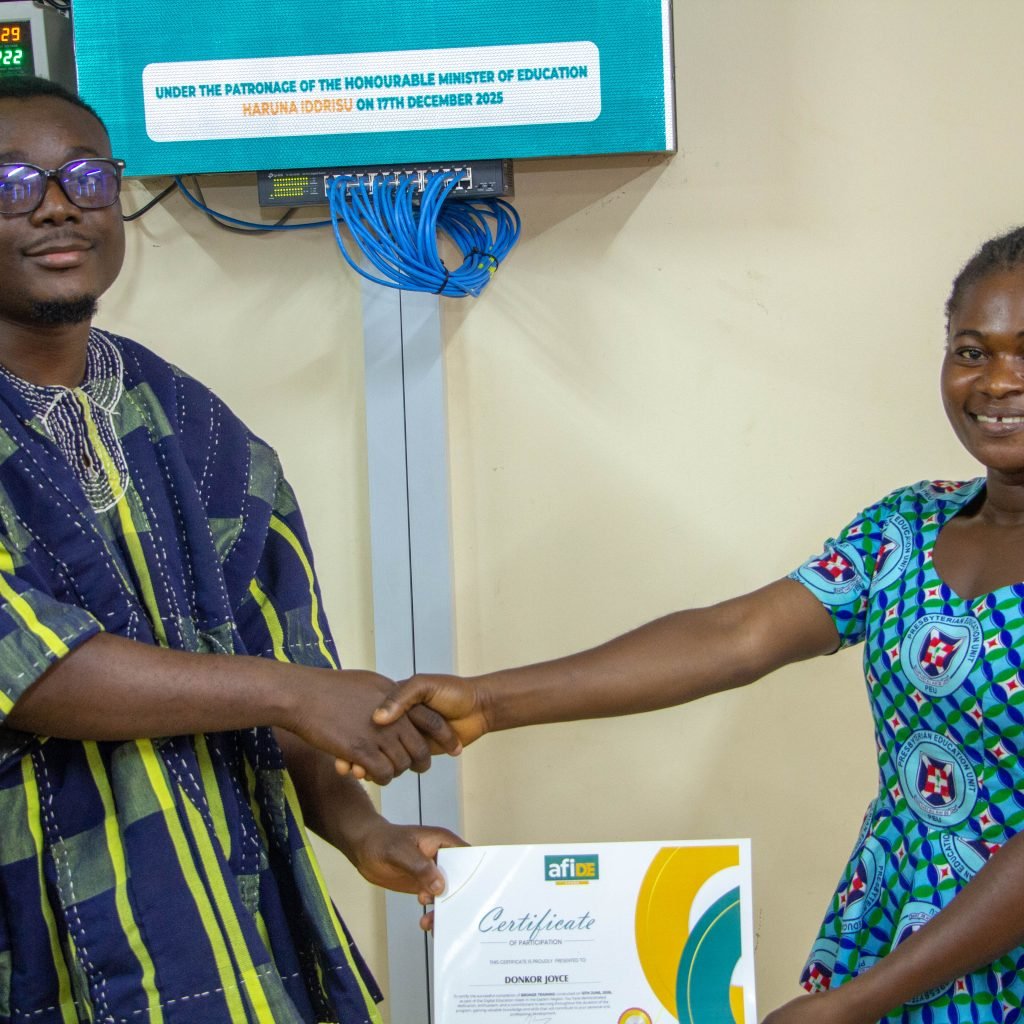
Student teachers who completed the Bronze Training were called forward to receive their certificates.

Simple moment, but an important one.

Because this was not just about attendance, it showed that these future teachers have:

  • explored how digital systems work
  • practised building with tools
  • taken their first step into digital teaching

Building on what started on Day 2

Day 3 also built directly on what was started the day before.

The collaboration between: PWCE, GSET and afiDE Ghana, continues from here.

Together, they are working on something new for Ghana:

>> Turning the national College of Education curriculum into practical digital teaching approaches

This is not a one-time training; it is the start of a longer journey.

Eastern Region taking leadership

Looking back at the full week, something is clear.

In just three days, the Eastern Region now hosts:

  • The first Teacher Experience Centre in Ghana (Koforidua)
  • The first College of Education collaboration focused on practical digital teaching and learning(Aburi)

That is something to be proud of.

What Day 3 showed clearly

Digital education is growing.

But it will only succeed when:

  • teachers feel confident
  • teachers can practise
  • teachers can lead

And that is exactly what is starting here.

A collective effort putting the Eastern Region on the map

Digital Education Week was organised by afiDE Ghana, together with GSET (Ghana Society for Education Technology), Amalitech, and Kevi-Kess, afiDE’s regional partner in the Eastern Region.

Together, they brought ambitious schools, teachers, and partners into one shared space — and created momentum.

With afiDE membership and Digital Education as a Service (DEaS) now available in the region, more schools can start building systems that are not only effective today — but sustainable for the years ahead.

And with strong teacher training initiatives now taking root in Koforidua and Aburi:

The Eastern Region is positioning itself as a leader in preparing teachers for the future of education in Ghana.

Eastern Region Leads: Students Compete, Create and Speak Up – Digital Education Week Continues – Day 2

Theme: Eastern Region Leads – Educators at the Forefront of Sustainable Digital Education

Where the opening of the Teacher Experience Centre on Day 1 was high profile, Day 2 of Digital Education Week brought youthful energy, creativity, and a bit of competition to Koforidua — while future teachers were building serious digital skills in Aburi. And again, one thing stood out: The Eastern Region is not waiting. It is leading.

Theme: Eastern Region Leads – Educators at the Forefront of Sustainable Digital Education

Where the opening of the Teacher Experience Centre on Day 1 was high profile, Day 2 of Digital Education Week brought youthful energy, creativity, and a bit of competition to Koforidua — while future teachers were building serious digital skills in Aburi. And again, one thing stood out: The Eastern Region is not waiting. It is leading.

Koforidua: Coding for Kids Competition Comes Alive

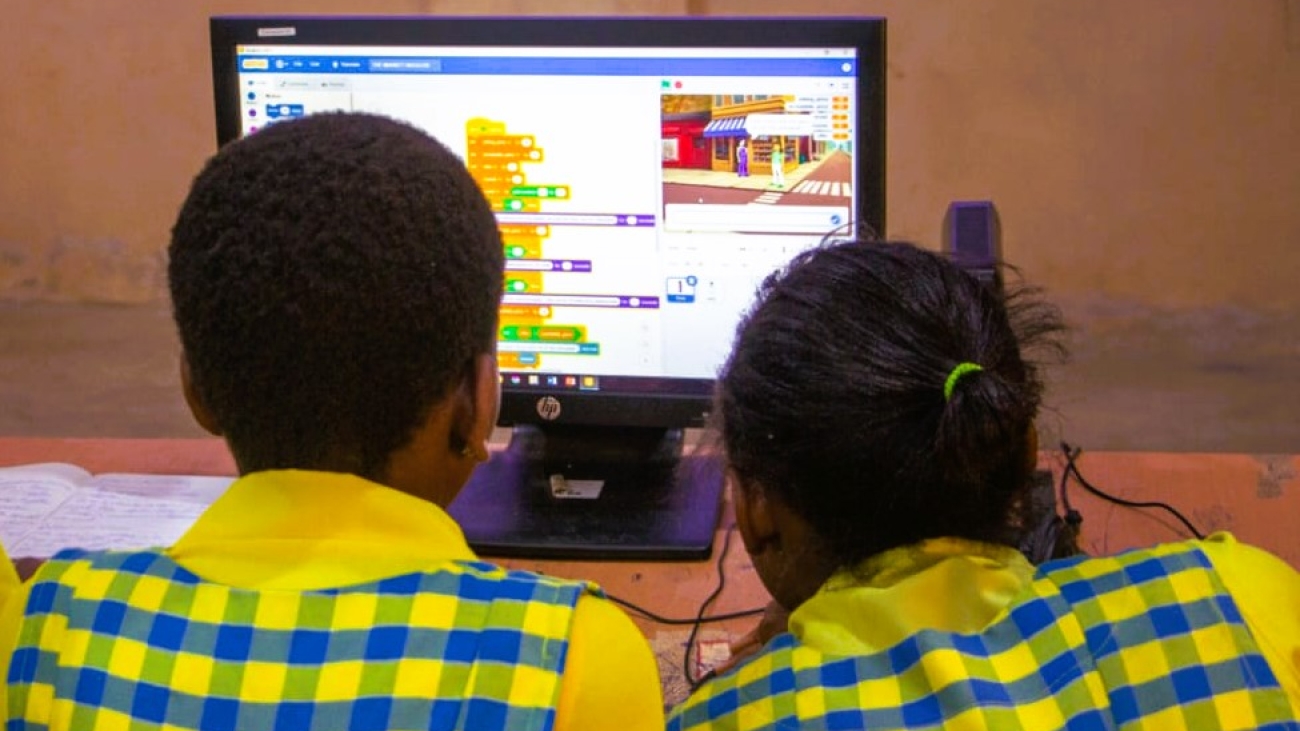
At King Jesus School, the Digital Education Lab was full of focus. Together with partner Amalitech, afiDE Ghana organised the Coding for Kids demonstration for invited headmasters and teachers to experience.

Six teams of students sat behind their computers, working on the same challenge:

>> Create an animation in Scratch about someone going to the market to buy a melon.

Sounds simple, it wasn’t.

Creativity, logic and storytelling

Each team approached it differently.

Some focused on:

* the visuals

* the movement

* the story

Others went deeper into how the interaction worked.

Visitors moved from screen to screen as students:

* explained their thinking

* showed how their animation worked

* spoke confidently about their choices

This was not just coding.

>> This was thinking,

storytelling, and problem-solving.


A winning idea: bringing negotiation to life

One team stood out. A group of three students created an animation that went beyond visuals. They programmed a realistic negotiation process between the buyer and the market seller.

* prices were proposed

* counter-offers were made

* deals were taken

It felt real.

The jury decided that:

>> both the strong visuals and the clever negotiation logic made them the winners.

More than coding: learning to speak and stand proud

When the prize was awarded, Brianna Dika, Service Manager at afiDE Ghana, addressed the students.

She highlighted something important:

  • Not only the quality of the work…  
  • but the courage to explain it.

Because throughout the competition, students were encouraged to:

  • present their work clearly
  • stand in front of others
  • speak out loud and with confidence

Her message was simple:

>> These are skills for life.

Meanwhile in Aburi: future teachers step up

While students were competing in Koforidua, another group was learning in Aburi.

At Presbyterian Women’s College of Education (PWCE), tutors and student teachers started afiDE’s Bronze Training.


Understanding how digital education works

This training goes beyond basic ICT.

Student teachers explored:

  • how digital systems work
  • what algorithms are
  • how AI is shaping education

And most importantly:

>> how to bring this into their own teaching.

Learning by building

Very quickly, the session became practical.

Using PictoBlox, students started building their own:

* calculators

* simple programs

* logic-based applications

You could hear the realisation:

 “Now I understand it.”


Ending the day with a new beginning

The day ended with an important step.


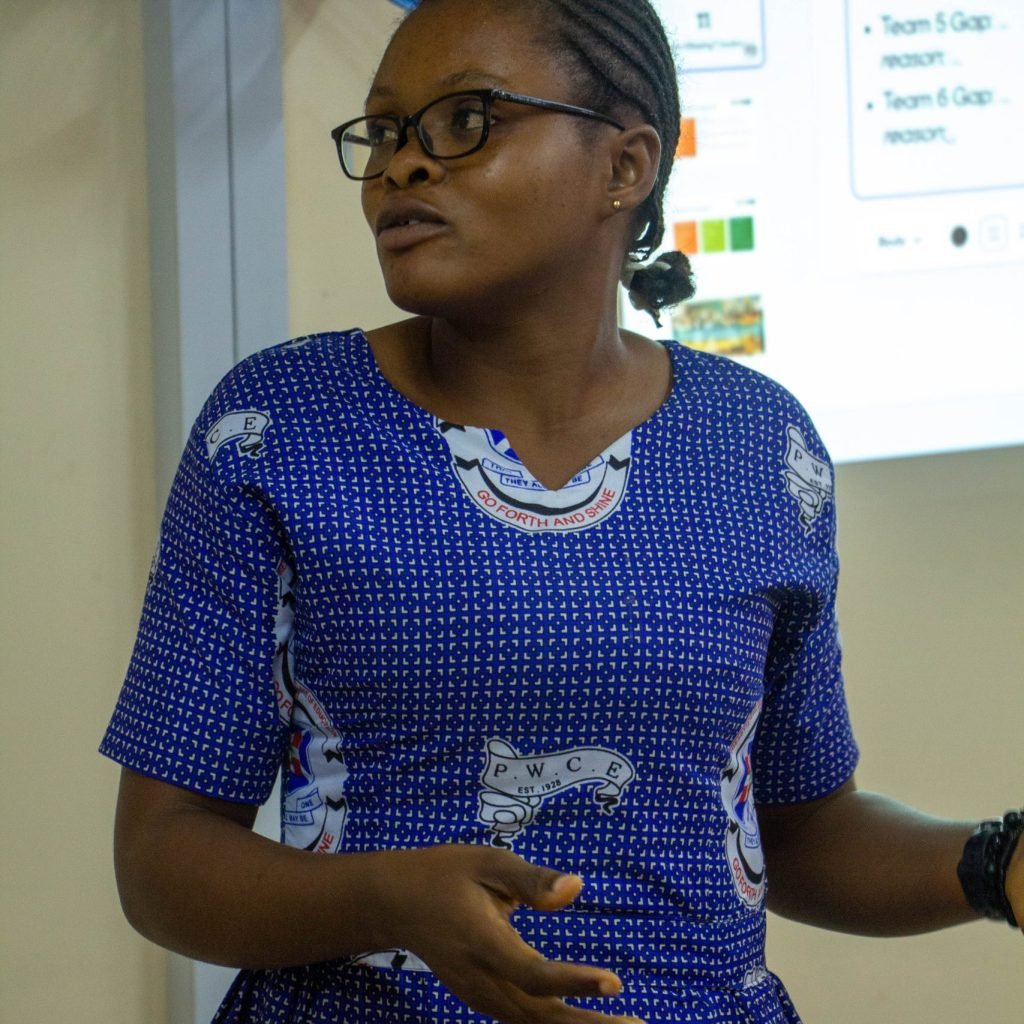
Tutors and student teachers came together in an interactive session to launch a collaboration between: PWCE, GSET and afiDE Ghana

>> A first in Ghana.

The goal: To develop practical ways of teaching the national teacher curriculum in a digital context

They discussed:

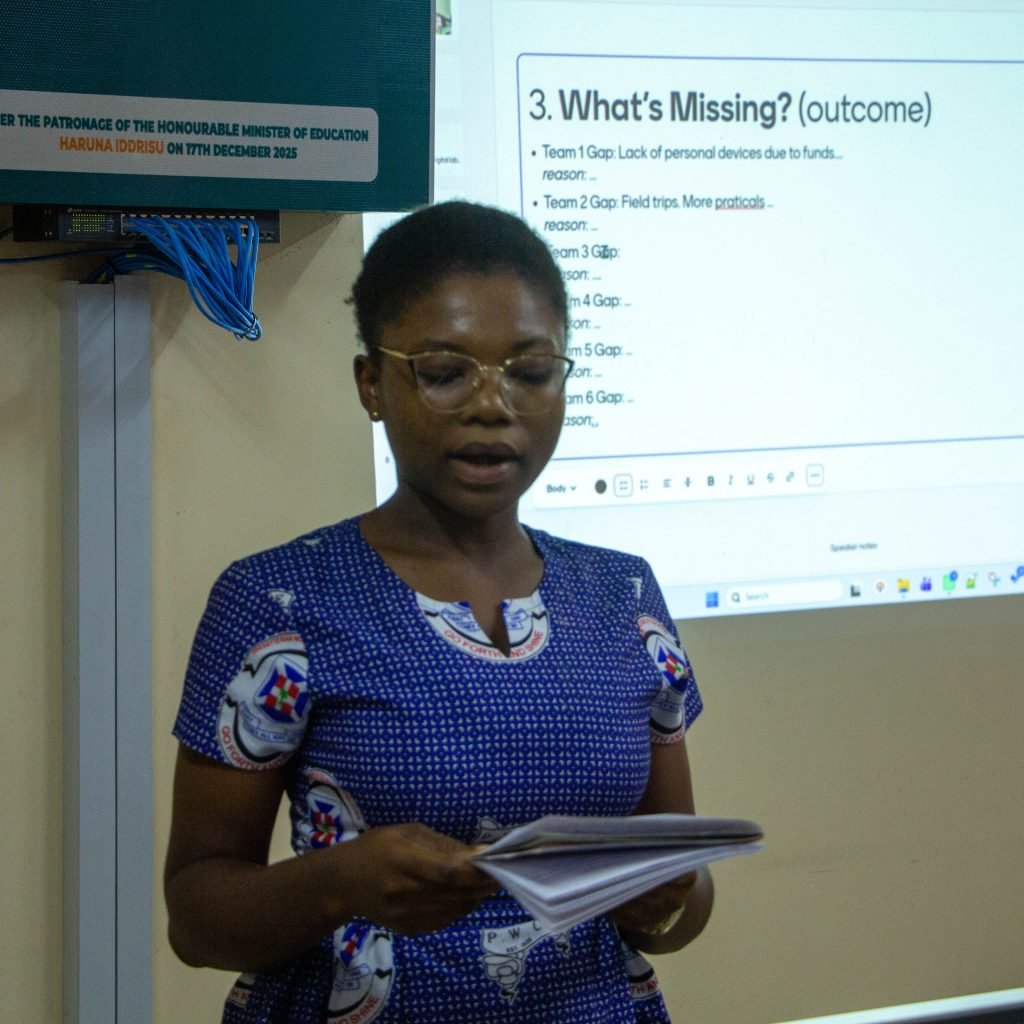
* where the gaps are

* what needs to change

* how to better prepare teachers


Eastern Region taking the lead

With the Teacher Experience Centre opened on Day 1, and today’s activities in both Koforidua and Aburi…

>> The Eastern Region is now home to two major firsts in Ghana.

And Day 2 showed clearly:

  • Students can create
  • Students can present
  • Teachers are ready to learn and lead

Day 2 takeaway

Pim de Bokx, co-founder of the African Digital Education network, who flew in from the Netherlands for the week, followed the sessions closely.

“You see the same thing in many countries,” he noted. “When teachers get the chance to really explore digital tools themselves, everything starts to change.”

He added: “Digital education is not just about devices. It is about teaching in a world that is rapidly becoming digital.”

Because in the end, it comes down to:

  • confidence
  • creativity
  • communication
  • and strong teaching

>> And all of that is growing here — in the Eastern Region.

Teacher Experience Centre Launches in Eastern Region

The Eastern Region marked a major step in its digital education journey with the launch of the Teacher Experience Centre in Koforidua during Digital Education Week. As the first facility of its kind in Ghana, the Centre provides teachers with a dedicated space to explore digital tools, build practical skills, and strengthen confidence in technology-enabled teaching.

.

A Platform for Teacher Development and Innovation

Established by afiDE Ghana and GSET (Ghana Society of Education Technology), the Centre is designed to support teacher development, encourage innovation, and expand access to quality digital learning across schools. It reflects a broader commitment to equipping educators with the resources and support needed to lead digital transformation.

Strong Collaboration Across the Sector

The launch brought together educators, government representatives, school leaders, and edtech advocates under the theme “Eastern Region Leads: Educators at the Forefront of Sustainable Digital Education.” Representatives from Local Government and the Ghana Education Service highlighted growing institutional support for digital education.

A Shared Vision for Digital Transformation

Opening remarks by Brianna Dika and Dr. Miracule Daniel Gavor emphasized collaboration as key to advancing digital learning. Pim de Bokx presented a vision positioning teachers at the centre of transformation and encouraged viewing technology as a tool to strengthen teaching and learning. 

Interactive Learning and Dialogue

Participants engaged in hands-on sessions led by Emmanuel Sefadzi, exploring digital learning approaches and discussing key issues such as teacher development, infrastructure, funding, and community support. These discussions helped identify practical opportunities to strengthen digital education.

Voices from the Classroom

A voluntary contribution panel, led by Dr. Miracule Gavor and Pim de Bokx, allowed teachers and school leaders to share experiences, successes, and challenges. This was followed by reflection sessions where school leaders considered how to apply insights within their institutions.

A Hub for Learning and Collaboration

The Teacher Experience Centre will serve as a hub for experimentation, collaboration, and continuous learning. Teachers will be able to test tools, share experiences, and build skills while forming a supportive professional community.

Looking Ahead

Participants described the Centre as a lasting resource for both teachers and learners. The launch concluded with renewed energy, stronger connections, and a shared commitment to advancing digital education—reinforcing the Eastern Region’s leadership in innovation.

Digital Education Week – Day One

As Day One of the Digital Education Week::Eastern Region co-organised with regional partner Kevi-Kess concluded, participants left with new ideas, stronger professional connections, and a shared vision for the future. The successful launch of the Teacher Experience Centre set a strong foundation for the remainder of Digital Education Week and reinforced the Eastern Region’s position as a leader in digital education innovation in Ghana. Tomorrow 11 June, there will be a Coding4Kids demonstration with partner Amalitech at King Jesus school in Koforidua and a teacher training development program at Presbyterian Women College of Education.

Register for these events: https://forms.gle/kEwxJWW3dSyBmVUo7

afiDE Ghana, GSET, and Kevi Kess to Host Eastern Region Digital Education Week in Koforidua

Eastern Region Leads – Educators at the Forefront of Sustainable Digital Education

The Eastern Region is taking a leading role in advancing digital education in Ghana.

afiDE Ghana, in partnership with the Ghana Society for Education Technology (GSET) and Kevi Kess, will host the Eastern Region Digital Education Week in Koforidua from 9th to 11th June 2026.

This initiative highlights the growing role of educators and school leaders as drivers of innovation within their own communities, contributing actively to the future of teaching and learning in Ghana.

Event Overview

The three-day event is designed to provide practical, hands-on experiences, professional development opportunities, and collaborative dialogue among key education stakeholders.

A major highlight is the activation of Ghana’s first Teacher Experience Centre, located in Koforidua.

Key Activities

  • Guided experience sessions at the Teacher Experience Centre
  • Bronze Level Digital Pedagogy Training
  • Leadership and Ecosystem Dialogue
  • Coding4Kids live demonstration i.c.w. Amalitech
  • Partnership dialogue and MoU signing wit CoE Aburi

 All interested participants are encouraged to REGISTER: https://forms.gle/7rYtA1cjN2K4twaGA