

Digital transformation isn’t coming to education; it’s already here. And it’s not slowing down.
The tools are changing. Teaching methods are evolving. Student expectations are shifting. Yet too many schools are stuck investing in technology without preparing leaders to actually drive change.
The result? Expensive tools that sit unused. Frustrated teachers. Stalled innovation.
The missing piece? Leadership that knows how to make it work.
That’s exactly why we created the Leadership Academy.
The Leadership Academy equips school leaders with the skills, strategies, and confidence to lead digital transformation that actually delivers results. No fluff. No buzzwords. Just practical frameworks that help you move from vision to reality.
You’ll learn to:
· Build a vision that everyone believes in, not just understands
· Lead change that sticks across teams, departments, and resistance
· Design learning environments that put students at the center
· Use technology strategically, not randomly
· Create systems that grow and adapt with your school
Research is clear: digital transformation doesn’t fail because of bad technology. It fails because of weak leadership, poor collaboration, and resistant cultures.
Fix the leadership. Fix the transformation.
Here’s the uncomfortable truth: many schools buy the tools before they prepare the people. They roll out platforms, apps, and devices, then wonder why adoption is slow and impact is minimal.
Strong leadership changes everything. When leaders know how to:
· Create shared vision (not top-down mandates)
· Build real collaboration (not forced meetings)
· Support continuous learning (not one-off training)
· Foster innovation while staying student-focused
…transformation accelerates.
The Leadership Academy develops exactly these capabilities in you.
This isn’t a certificate program you forget about in six months. It’s a transformation toolkit you’ll use immediately.
You’ll explore:
· Leadership frameworks designed for digital innovation
· Change management that works in real schools (not corporate boardrooms)
· AI and emerging tech: what matters, what’s hype
· Data-informed decisions that don’t overwhelm your team
· Building a culture where innovation thrives
· Responsible tech adoption (not reckless spending)
The format? Professional learning meets strategic discussion meets hands-on implementation. You leave ready to act, not “inspired to think about it.”
Yes, if you are:
· A school leader or administrator tired of slow progress
· A head of department ready to drive real change
· An ICT coordinator who needs leadership backing
· An educational manager preparing for what’s next
· An aspiring leader who wants to do this right from the start
· Anyone responsible for innovation in a learning institution
Whether you’re starting from scratch or doubling down on existing initiatives, the academy gives you the clarity, tools, and confidence to lead a transformation that actually transforms.
Education is moving fast. The leaders who thrive won’t be the ones clinging to “how it’s always been done.” They’ll be the ones bold enough to innovate, confident enough to guide change, and strategic enough to keep learning outcomes front and center.
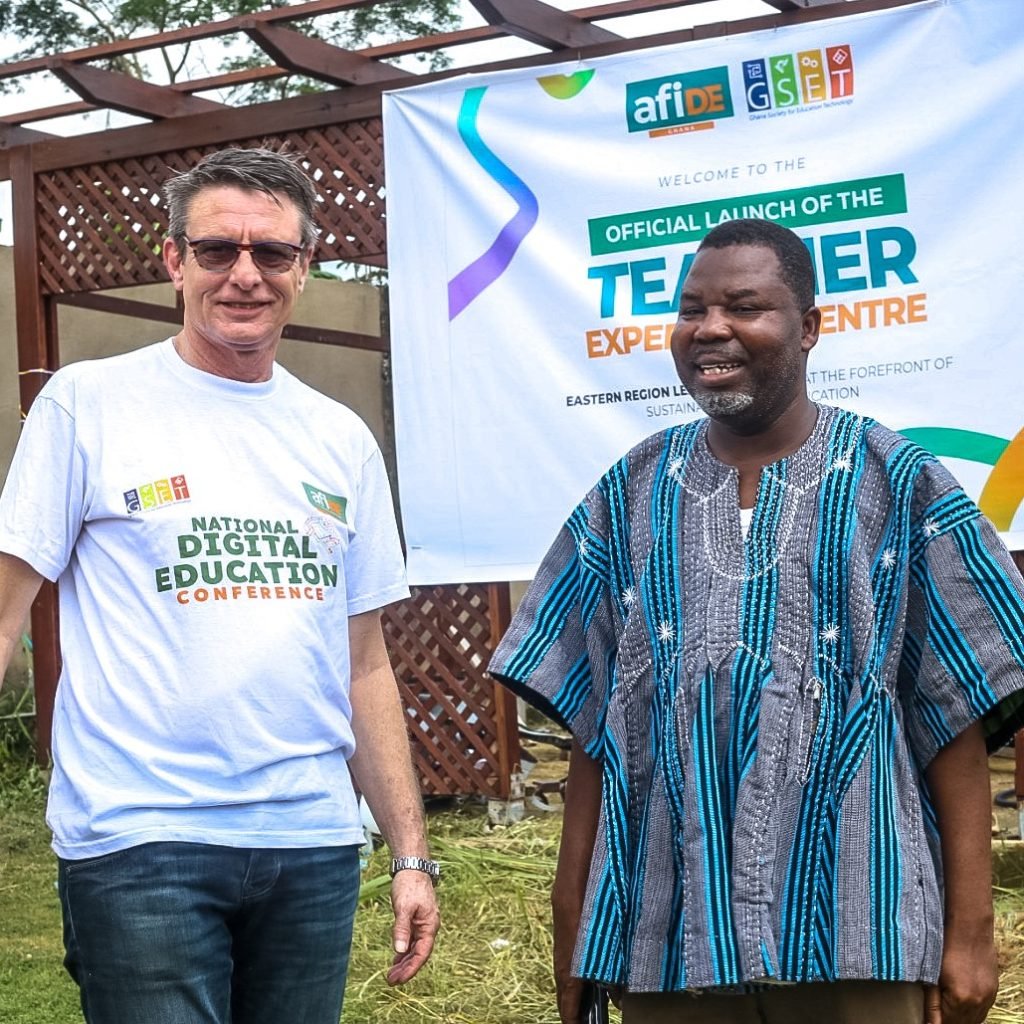
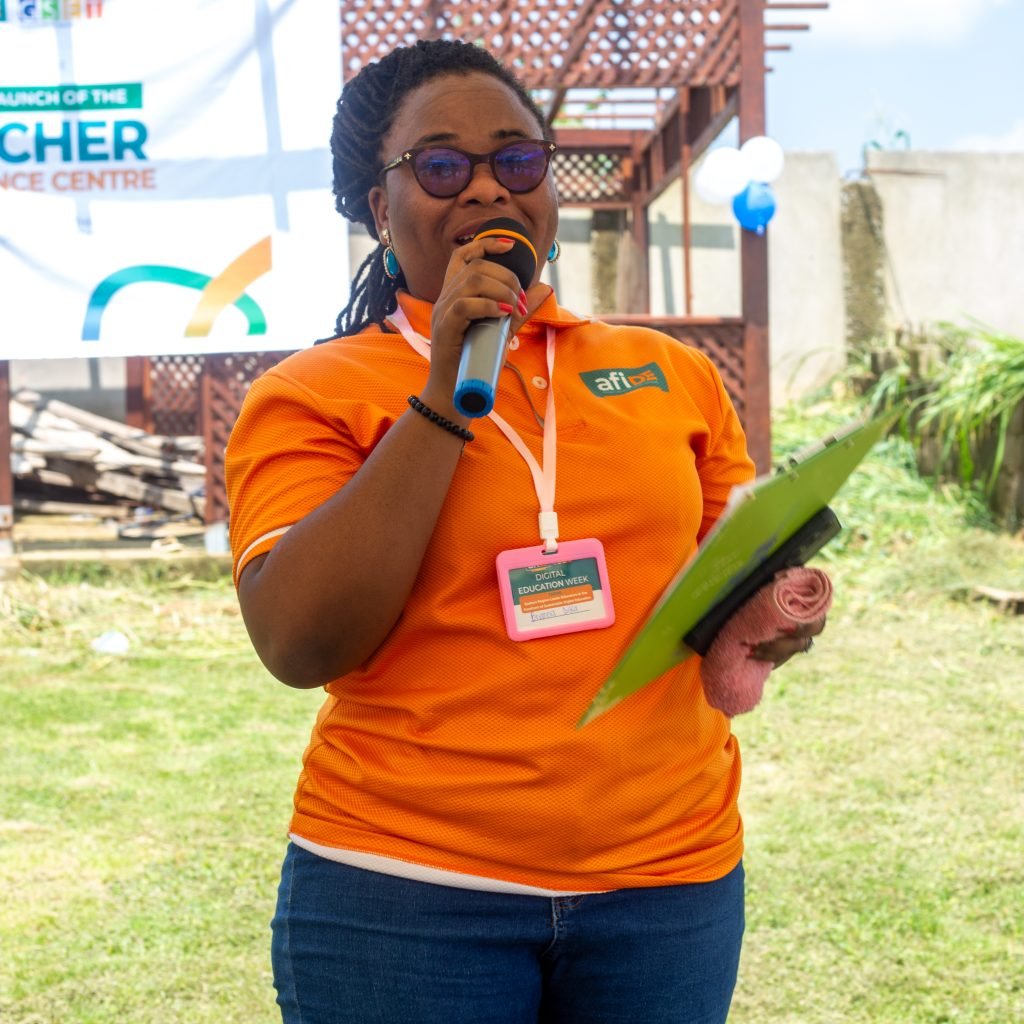
The National Digital Education Leadership Academy (NDELA) is an initiative of afiDE Ghana in partnership with the Ghana Society for Education Technology (GSET).
That’s who we’re training.
Ready to transform your leadership and school?
APPLY NOW: https://afide.network/application-form/
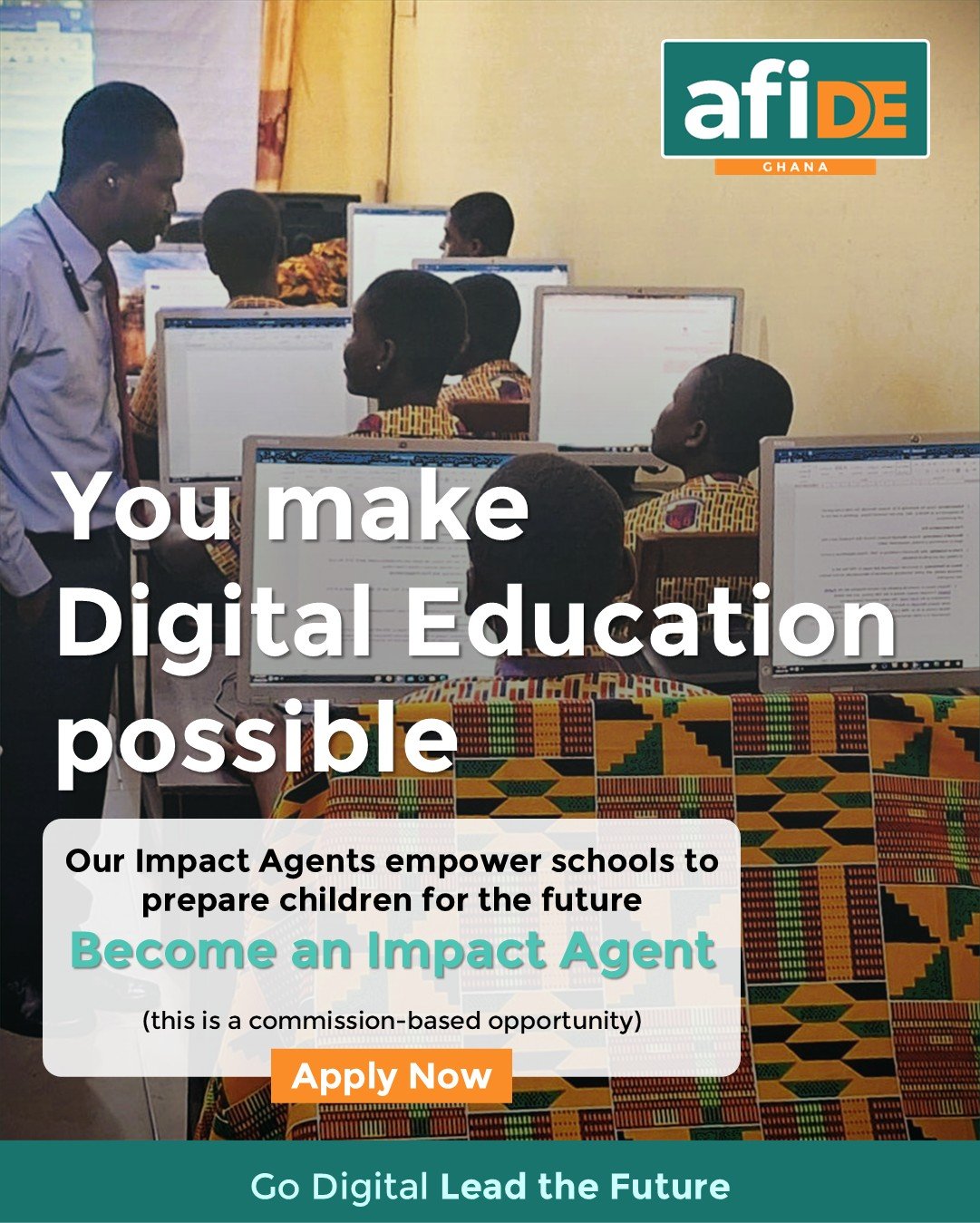
The future is digital, and every child deserves the chance to be part of it. Across schools and communities, technology is opening doors to learning, opportunity, and growth.
As an Impact Agent, you become the bridge that connects students and educators to these life-changing digital skills, helping to close the digital gap and build a stronger future for Ghana.
The Impact Agent program empowers individuals to support schools in adopting and improving digital education. You will work with schools to introduce digital tools, guide educators, and help students integrate technology into everyday learning.
This is a commission-based opportunity that offers flexibility and rewards aligned with your effort and results.
Becoming an Impact Agent is more than a role; it is a chance to lead meaningful change. You will help schools embrace digital learning and empower the next generation with the tools they need to succeed.
Go digital. Lead the future. Apply now and become an Impact Agent.
Send your CV and cover letter to: info@afide.network
Deadline: 30th May, 2026

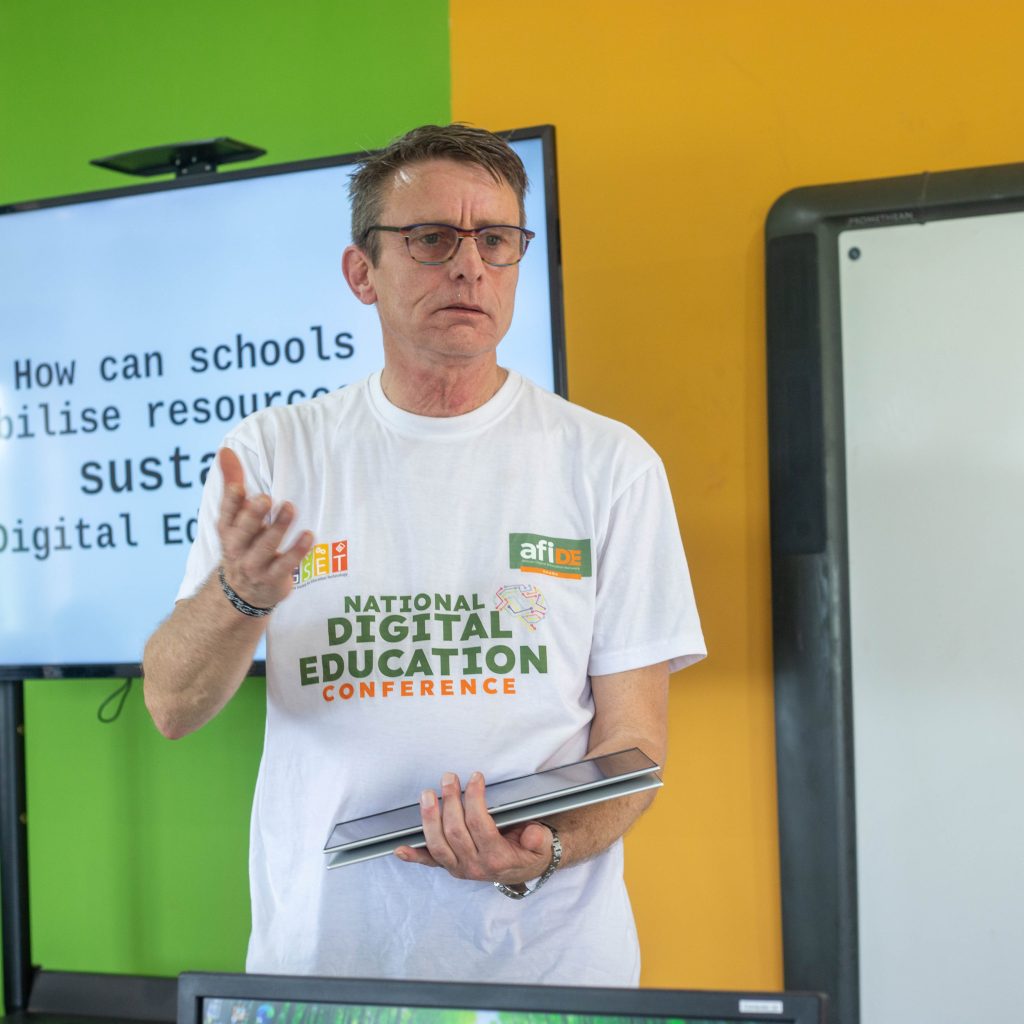
afiDE Ghana, in partnership with GSET, is pleased to announce the organization of a comprehensive digital skills training program for selected school leaders across the Greater Accra Region of Ghana. The initiative, formally designated as the National Digital Education Leadership Academy, is scheduled to commence in the third week of June 2026.
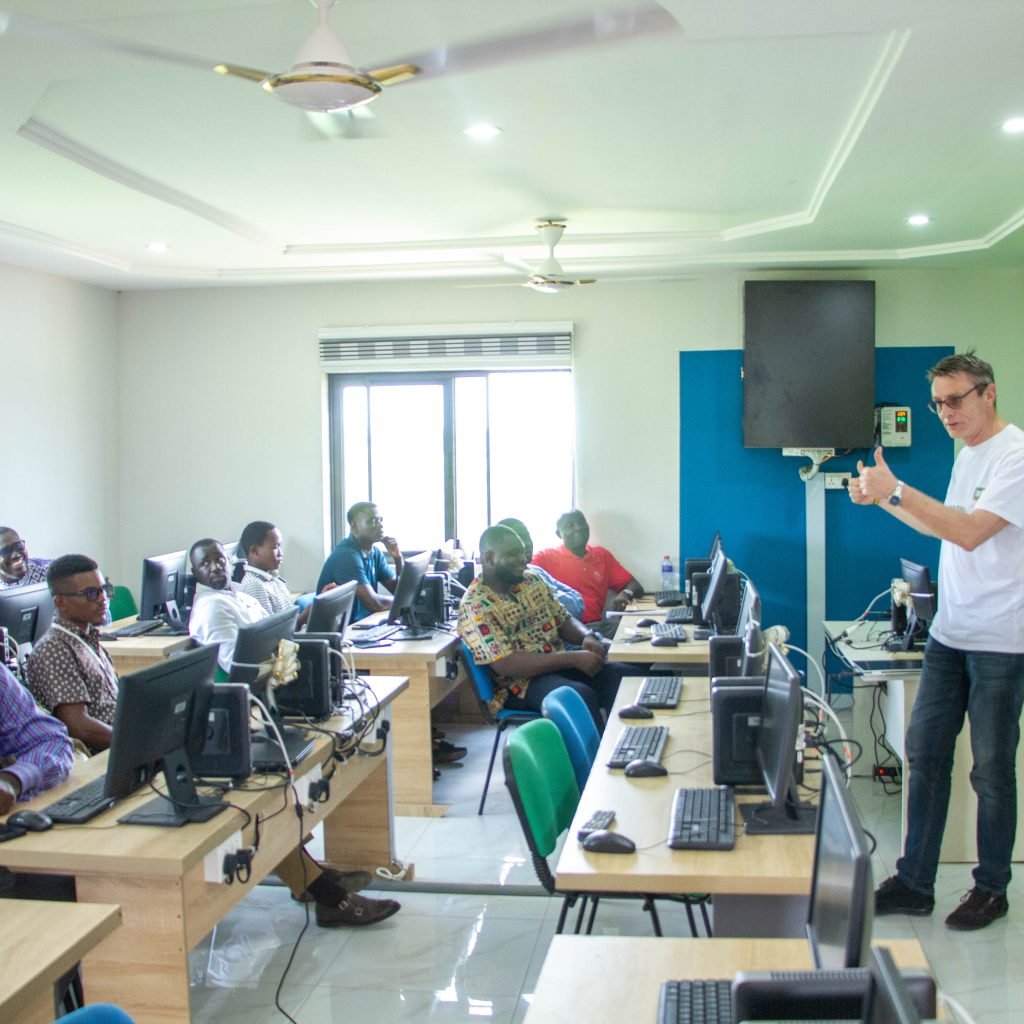
The inaugural cohort will span eight weeks, featuring face-to-face instruction on the first and final days, with the intervening six sessions delivered through online platforms
Digital transformation in education is not solely about technology. It is about leadership.
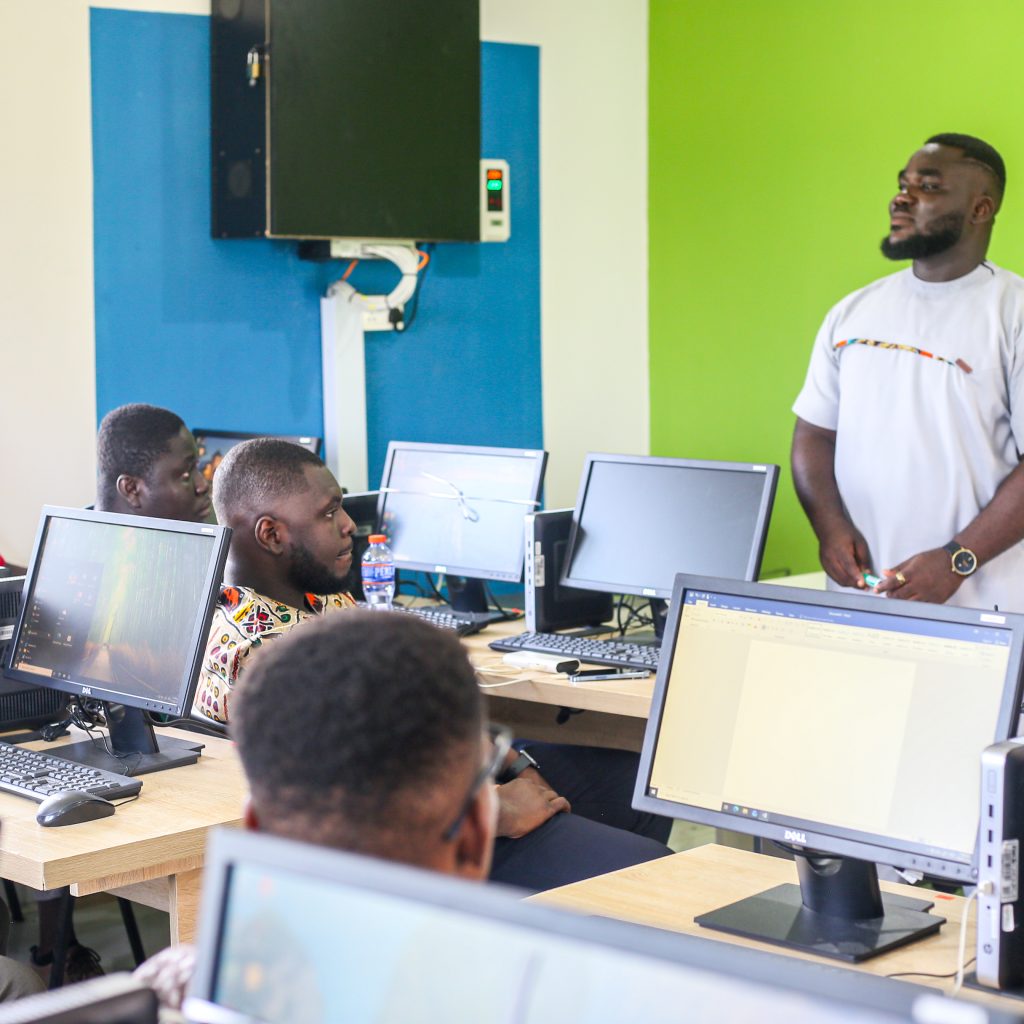
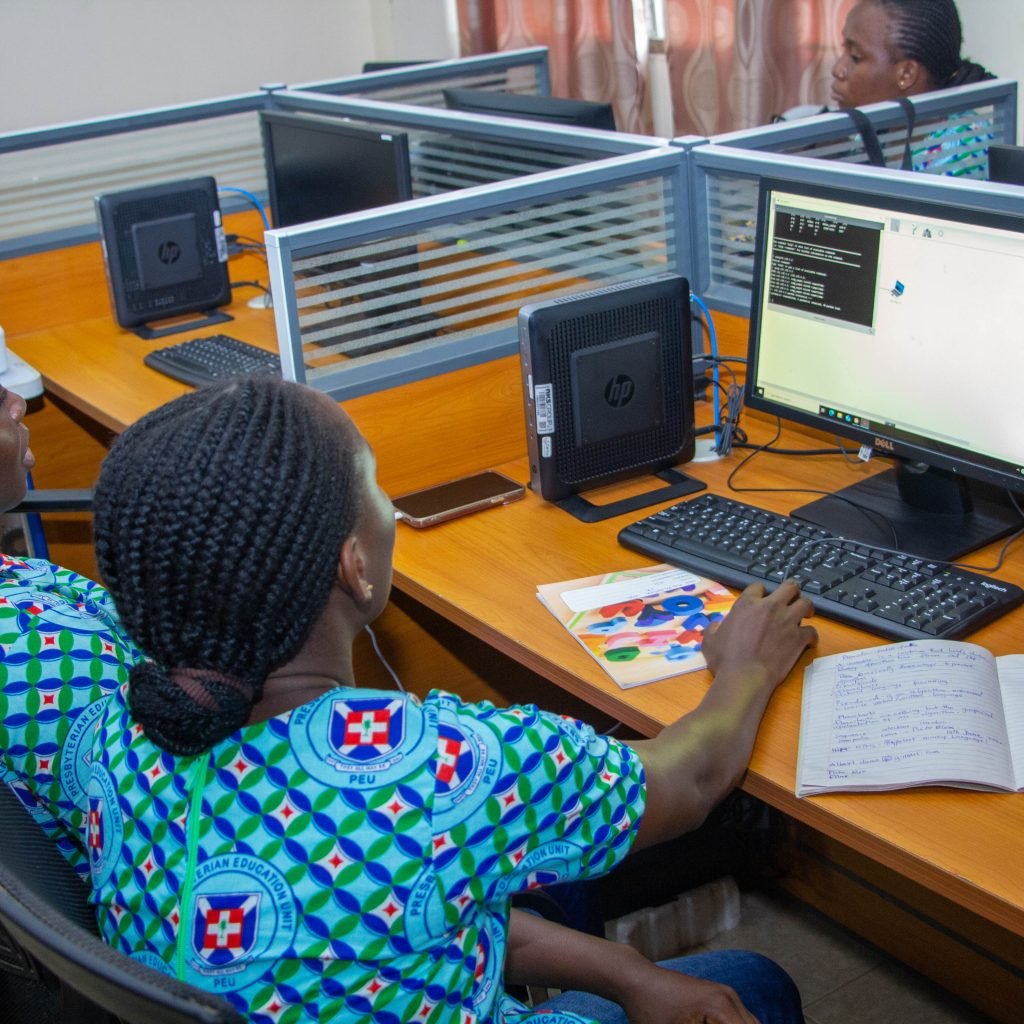
The Digital Education Leadership Academy is designed for school leaders who want to move beyond ideas and take practical and confident action to improve teaching and learning through digital tools.
You will develop the skills to:
Everything you build is designed for immediate application in your institution.
From Learning to Action
You will develop a 90 Day Commitment Plan to guide implementation in your school or district.
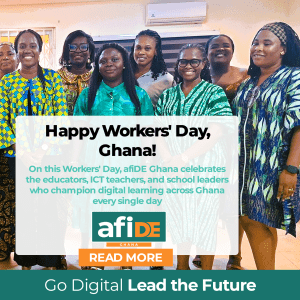
Today, 1st May 2026, Ghana joins the rest of the world to observe Workers’ Day, a statutory public holiday that honours the dedication, resilience, and contribution of every worker to national development.
At afiDE Ghana, we take this moment to recognise a particular group of workers who rarely make the headlines: our teachers, school leaders, and education administrators. Day after day, they show up. Not just to teach, but to navigate overcrowded classrooms, under-resourced systems, and rapidly changing learning environments.
This Workers’ Day, we ask: what does it mean to truly support the people who build our nation’s future?
Workers’ Day celebrations in Ghana date back to 1960, when President Osagyefo Dr. Kwame Nkrumah was declared the First Number One Worker by the Trades Union Congress, a symbol of solidarity between leadership and labour.
More than six decades later, that spirit of solidarity is more important than ever. Ghana’s workforce, in every sector, continues to build this nation with their hands, their minds, and their commitment. The Ghana Trades Union Congress (GTUC) marks the day each year with a grand nationwide parade, bringing together trade unions, workers, and the military across all regional capitals.
But solidarity cannot be symbolic alone. Real support means equipping workers with the tools, skills, and systems they need to do their jobs and do them well.
Ghana’s teachers and school leaders face some of the most complex working conditions of any profession. They are asked to prepare students for a digital future, while often lacking access to the very digital tools and training that would make this possible.
This is the gap that afiDE Ghana was created to close.
Through our Digital Education as a Service (DEaS) model, we work directly with both public and private schools to provide:
Because when educators are supported, students thrive. And when students thrive, Ghana moves forward.
Labour Day is not just about celebration. It is also a moment of reflection. Across Ghana, labour unions are continuing to advocate for fair wages, improved working conditions, and recognition for workers in both the formal and informal sectors.
In education, those same questions need to be asked loudly and clearly. Are our teachers being equipped to meet the demands of a changing world? Are school leaders being given the tools to lead effectively? Are we investing in the workforce that shapes the next generation?
At afiDE, our answer to these questions is our work. Every school we partner with, every teacher we train, every leader we coach, this is how we honour the education worker.
This year, Workers’ Day falls on a Friday, giving Ghana’s hardworking people a well-deserved long weekend. To every teacher, headmaster, school administrator, and education professional across the country:
Thank you. Your work is seen. Your dedication matters. And you deserve the support to do it even better.
We look forward to continuing our journey with schools, leaders, and educators across Ghana, building a digital future that works for everyone.
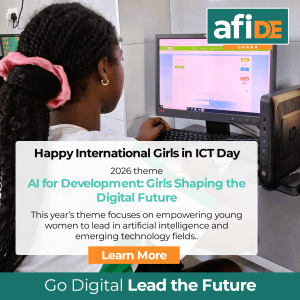
International Girls in ICT Day 2026 calls on all of us to do more than celebrate girls in technology. It calls on us to empower young women to lead in artificial intelligence and emerging technology fields. At afiDE Ghana, that call starts in the classroom.
On 23rd April 2026, the world marks International Girls in ICT Day under the theme: AI for Development. Girls Shaping the Digital Future. This year, the focus is clear and urgent. It is not enough to introduce girls to technology. We must empower them to lead it.
Artificial intelligence is no longer a subject for the future. It is reshaping agriculture, healthcare, education, finance and public services across Africa right now. The question Ghana must answer today is this: are we preparing our girls to lead in that world, or are we leaving them behind?
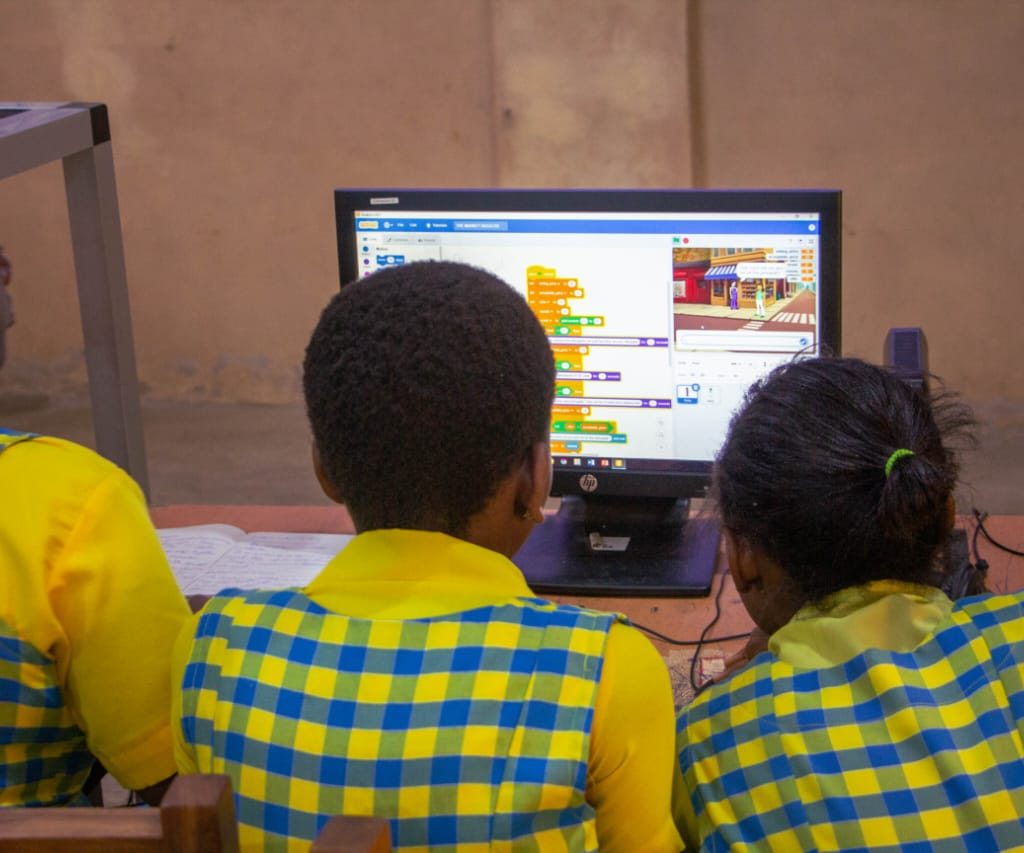
A girl who sits in a digitally equipped classroom, taught by a confident and trained teacher, using tools that work every day, is a girl who builds a relationship with technology. She stops seeing it as something foreign and starts seeing it as something she belongs in. That feeling of belonging is where future AI leaders are born.
When that same girl reaches secondary school, university, or the job market, she does not arrive timid or unprepared. She arrives with years of experience, curiosity, and confidence. She is ready to study computer science, data analytics, machine learning, and software engineering. She is ready to lead.
But that journey begins in primary school. It begins in JHS. It begins in a classroom where the systems work, and the teacher knows how to use them. That is the foundation afiDE Ghana is building.
afiDE Ghana’s Digital Education as a Service model does not deliver devices and walk away. DEaS puts a fully managed digital learning ecosystem into every school we work with. Infrastructure, teacher training, curriculum tools, and ongoing technical support. All of it is working, all of the time.
When a school runs on DEaS, every learner in that school, including every girl, gets a consistent, high-quality digital education. That consistency is what builds the skills, the confidence, and the ambition that young women need to pursue and lead in emerging technology fields.
We work with both public and private schools because the responsibility to empower girls in AI does not belong only to elite institutions. It belongs to every school in Ghana.
If you are a young woman sitting in a classroom right now, this message is for you. The world’s fastest-growing industries are being built on artificial intelligence, data, cybersecurity, and digital infrastructure. These fields need problem solvers, innovators, and leaders. They need you.
Your curiosity is not too big. Your ambition is not out of place. The digital future is not someone else’s story. It is yours to write.
If you lead a school, the most powerful thing you can do for the girls in your classrooms is give them a digital learning environment that works. Not as an add-on. As a core part of how your school operates every single day.
That is what DEaS makes possible. And today, on International Girls in ICT Day 2026, is a good day to start.
Find out how DEaS is empowering girls to lead in technology across Ghana. Visit us at: https://afide.network/solution/#DEaS

Today is World Creativity and Innovation Day. The United Nations chose this day to remind us that creativity is not something a few people are born with. It is something every learner can develop when they are given the right environment, the right tools, and the right support.
In Ghana, many schools have the desire to bring digital learning into their classrooms. But desire alone is not enough. Without working technology, trained teachers, and strong school leadership, digital education does not happen. The creativity and innovation we want for our learners stay locked away.
That is exactly the problem afiDE Ghana solves. Through Digital Education as a Service (DEaS), afiDE Ghana works with public and private schools to build a complete digital learning environment. We train teachers to use technology in creative ways. We support school leaders to drive digital change with confidence. And we keep the system running so that learning never stops.
When digital education works well in a school, something powerful happens. Students stop just receiving information and start creating with it. Teachers stop just delivering lessons and start designing experiences. Leaders stop managing and start innovating. That is the Ghana we are building, one school at a time.

afiDE Ghana, in partnership with Educare Quartimani Partners, is inviting school leaders to a practical webinar on how to move from random technology use to real digital transformation.
Many schools in Ghana have devices, apps, and platforms, but they are not seeing real improvement in teaching and learning. The problem is not the technology. The problem is the system behind it.
This session introduces a clear approach through Digital Education as a Service DEaS, helping schools build structured, sustainable digital systems that support teachers, improve learning, and strengthen leadership.
Date: Friday, May 1, 2026
Time: 11:30 AM GMT
Location: Zoom Online
Cost: Free
This session is for school heads, administrators, and education leaders who want practical solutions, not theory.
Register now: https://forms.gle/ipQx9bM85UxbNyR3A