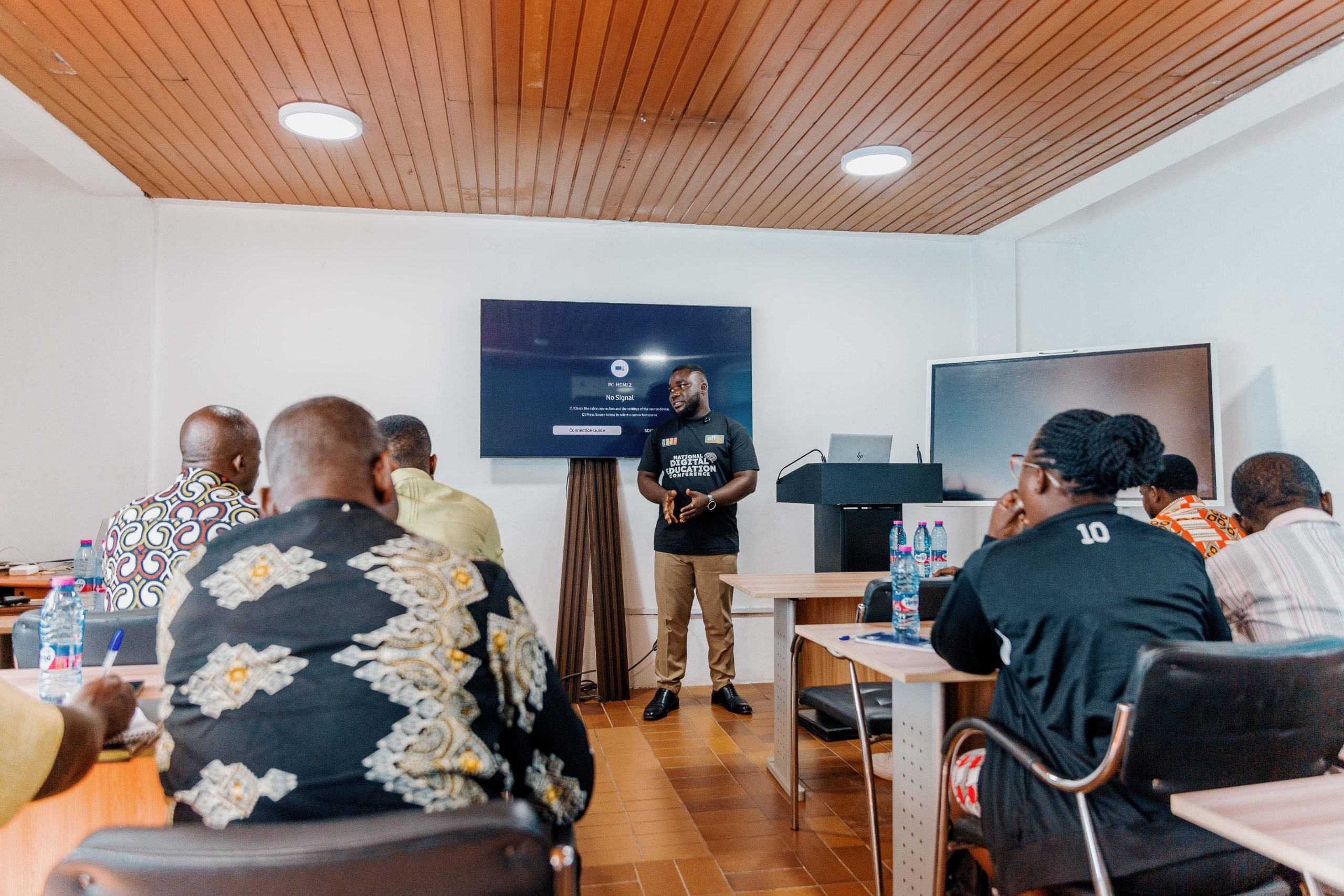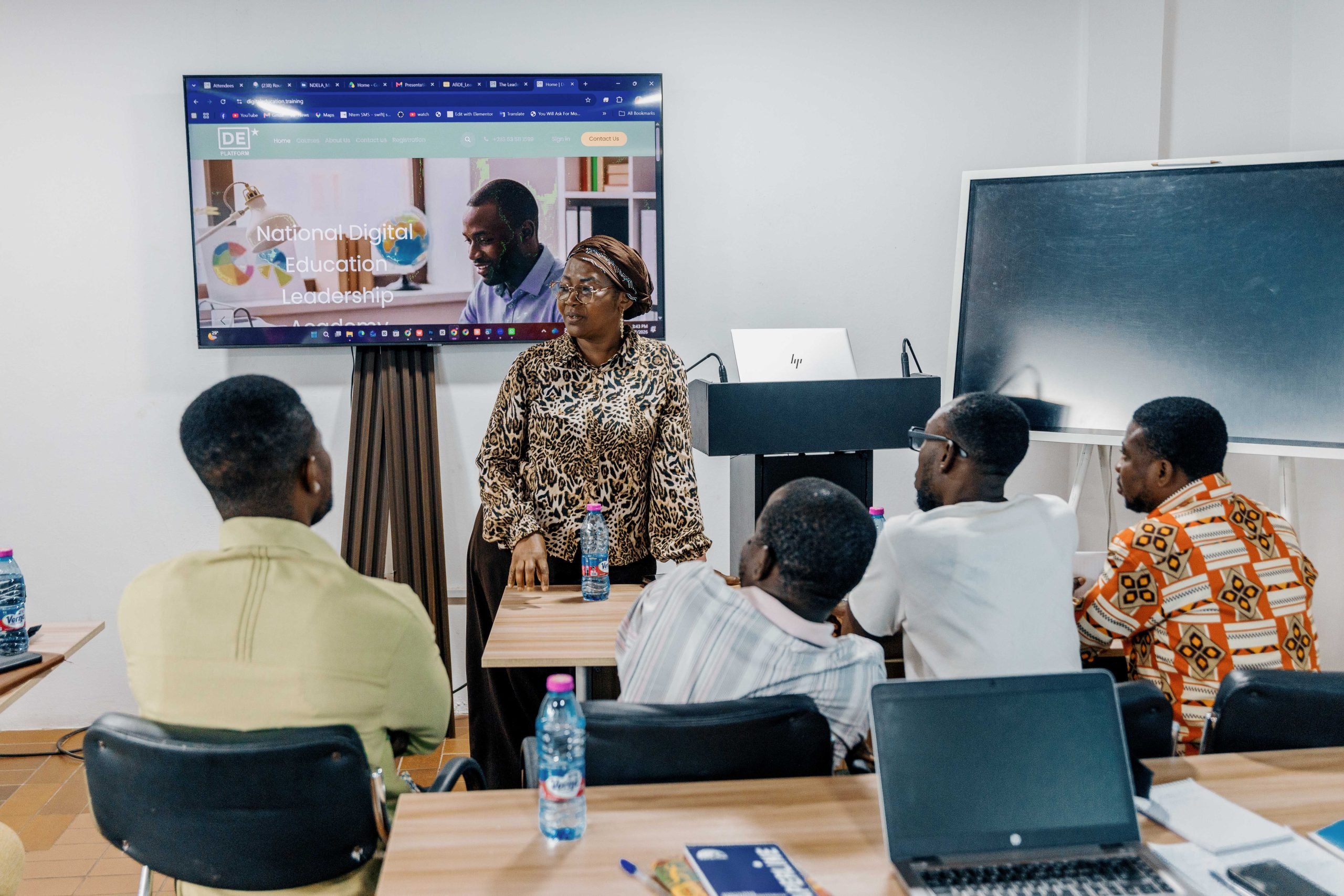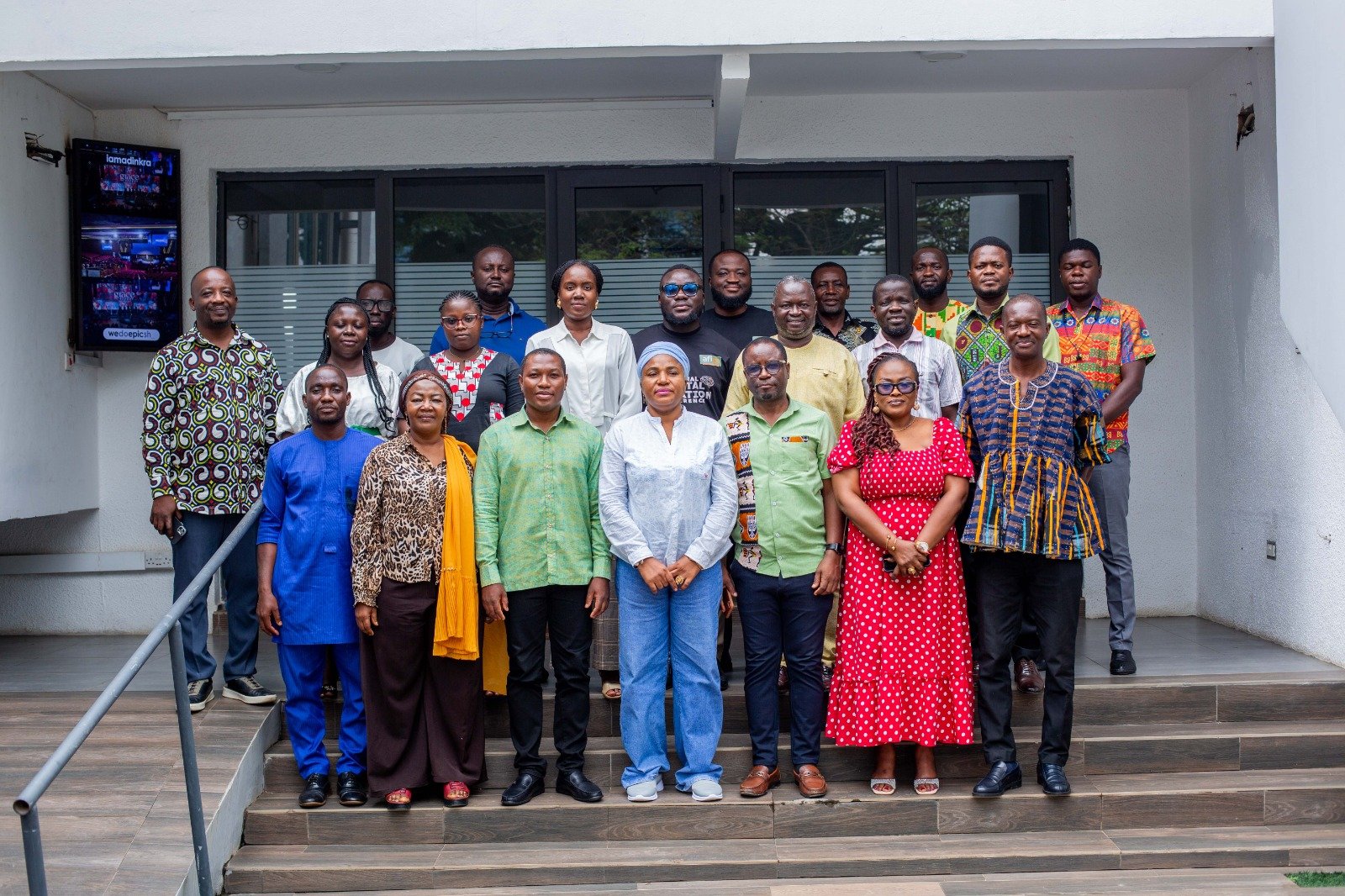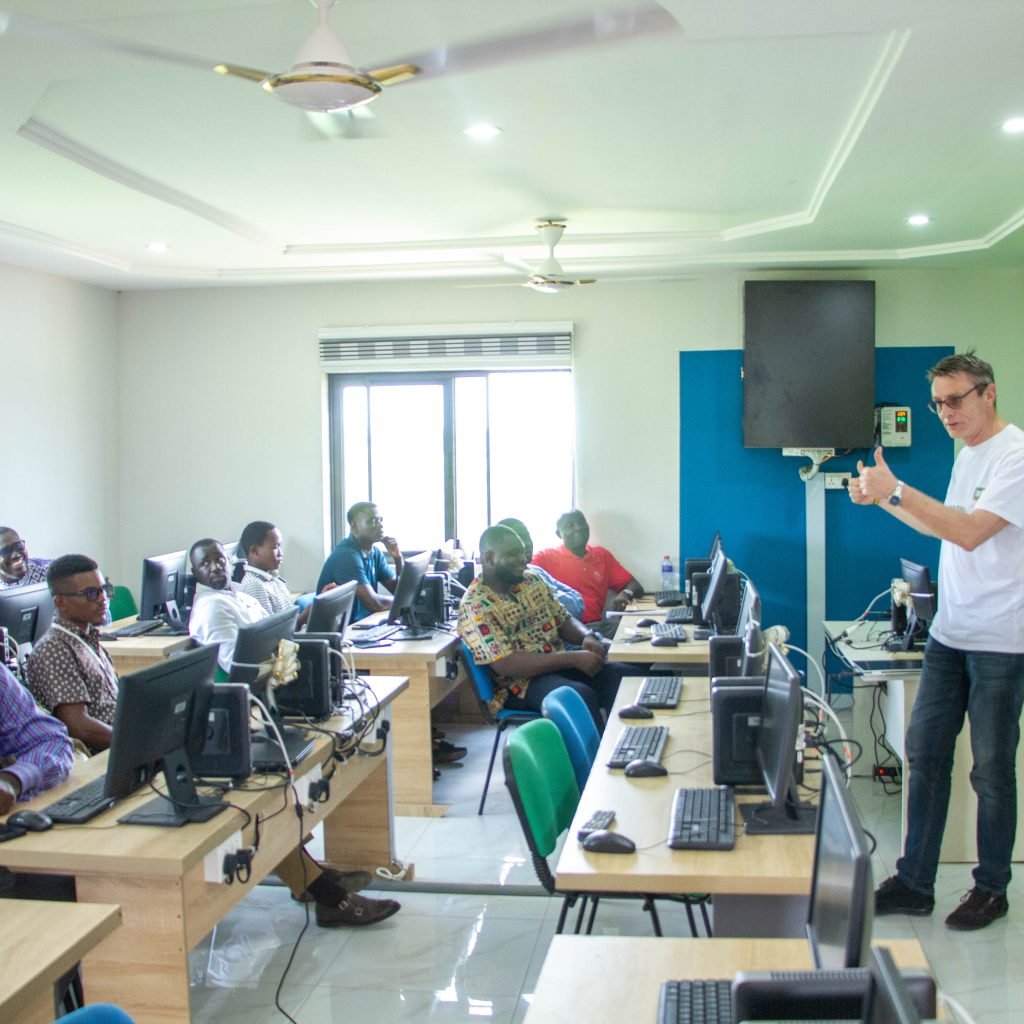
Workers’ Day: Celebrating Ghana’s Workers. Advancing Digital Education.

Workers’ Day: Celebrating Ghana’s Workers. Advancing Digital Education.

On Workers’ Day, We Celebrate Every Educator Who Keeps Ghana’s Schools Moving Forward

Today, 1st May 2026, Ghana joins the rest of the world to observe Workers’ Day, a statutory public holiday that honours the dedication, resilience, and contribution of every worker to national development.

At afiDE Ghana, we take this moment to recognise a particular group of workers who rarely make the headlines: our teachers, school leaders, and education administrators. Day after day, they show up. Not just to teach, but to navigate overcrowded classrooms, under-resourced systems, and rapidly changing learning environments.

This Workers’ Day, we ask: what does it mean to truly support the people who build our nation’s future?

From 1960 to Today: Ghana’s Workers Have Always Led the Way

Workers’ Day celebrations in Ghana date back to 1960, when President Osagyefo Dr. Kwame Nkrumah was declared the First Number One Worker by the Trades Union Congress, a symbol of solidarity between leadership and labour.

More than six decades later, that spirit of solidarity is more important than ever. Ghana’s workforce, in every sector, continues to build this nation with their hands, their minds, and their commitment. The Ghana Trades Union Congress (GTUC) marks the day each year with a grand nationwide parade, bringing together trade unions, workers, and the military across all regional capitals.

But solidarity cannot be symbolic alone. Real support means equipping workers with the tools, skills, and systems they need to do their jobs and do them well.

The Education Worker’s Reality

Ghana’s teachers and school leaders face some of the most complex working conditions of any profession. They are asked to prepare students for a digital future, while often lacking access to the very digital tools and training that would make this possible.

This is the gap that afiDE Ghana was created to close.

Through our Digital Education as a Service (DEaS) model, we work directly with both public and private schools to provide:

  • Structured digital learning infrastructure
  • Ongoing teacher digital skills development
  • School leadership coaching and capacity building
  • Managed systems that reduce the administrative burden on educators

Because when educators are supported, students thrive. And when students thrive, Ghana moves forward.

Workers’ Day Is Also a Moment to Ask the Harder Questions

Labour Day is not just about celebration. It is also a moment of reflection. Across Ghana, labour unions are continuing to advocate for fair wages, improved working conditions, and recognition for workers in both the formal and informal sectors.

In education, those same questions need to be asked loudly and clearly. Are our teachers being equipped to meet the demands of a changing world? Are school leaders being given the tools to lead effectively? Are we investing in the workforce that shapes the next generation?

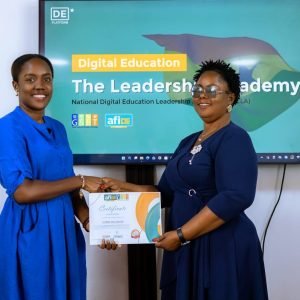
At afiDE, our answer to these questions is our work. Every school we partner with, every teacher we train, every leader we coach, this is how we honour the education worker.

This Friday: Rest. Reflect. Celebrate.

This year, Workers’ Day falls on a Friday, giving Ghana’s hardworking people a well-deserved long weekend. To every teacher, headmaster, school administrator, and education professional across the country:

Thank you. Your work is seen. Your dedication matters. And you deserve the support to do it even better.

We look forward to continuing our journey with schools, leaders, and educators across Ghana, building a digital future that works for everyone.

Learn more about how afiDE Ghana supports schools through DEaS:  https://afide.network/solution/#DEaS

She Is Not Just Using AI. She Is Leading It

She Is Not Just Using AI. She Is Leading It.

International Girls in ICT Day 2026 calls on all of us to do more than celebrate girls in technology. It calls on us to empower young women to lead in artificial intelligence and emerging technology fields. At afiDE Ghana, that call starts in the classroom.

The World Is Celebrating. Ghana Must Act.

On 23rd April 2026, the world marks International Girls in ICT Day under the theme: AI for Development. Girls Shaping the Digital Future. This year, the focus is clear and urgent. It is not enough to introduce girls to technology. We must empower them to lead it.

Artificial intelligence is no longer a subject for the future. It is reshaping agriculture, healthcare, education, finance and public services across Africa right now. The question Ghana must answer today is this: are we preparing our girls to lead in that world, or are we leaving them behind?

Leadership in AI Starts Earlier Than We Think

A girl who sits in a digitally equipped classroom, taught by a confident and trained teacher, using tools that work every day, is a girl who builds a relationship with technology. She stops seeing it as something foreign and starts seeing it as something she belongs in. That feeling of belonging is where future AI leaders are born.

When that same girl reaches secondary school, university, or the job market, she does not arrive timid or unprepared. She arrives with years of experience, curiosity, and confidence. She is ready to study computer science, data analytics, machine learning, and software engineering. She is ready to lead.

But that journey begins in primary school. It begins in JHS. It begins in a classroom where the systems work, and the teacher knows how to use them. That is the foundation afiDE Ghana is building.

What DEaS Does for Girls

afiDE Ghana’s Digital Education as a Service model does not deliver devices and walk away. DEaS puts a fully managed digital learning ecosystem into every school we work with. Infrastructure, teacher training, curriculum tools, and ongoing technical support. All of it is working, all of the time.

When a school runs on DEaS, every learner in that school, including every girl, gets a consistent, high-quality digital education. That consistency is what builds the skills, the confidence, and the ambition that young women need to pursue and lead in emerging technology fields.

We work with both public and private schools because the responsibility to empower girls in AI does not belong only to elite institutions. It belongs to every school in Ghana.

To the Girls in Ghana’s Classrooms Today

If you are a young woman sitting in a classroom right now, this message is for you. The world’s fastest-growing industries are being built on artificial intelligence, data, cybersecurity, and digital infrastructure. These fields need problem solvers, innovators, and leaders. They need you.

Your curiosity is not too big. Your ambition is not out of place. The digital future is not someone else’s story. It is yours to write.

To Ghana’s School Leaders

If you lead a school, the most powerful thing you can do for the girls in your classrooms is give them a digital learning environment that works. Not as an add-on. As a core part of how your school operates every single day.

That is what DEaS makes possible. And today, on International Girls in ICT Day 2026, is a good day to start.

Find out how DEaS is empowering girls to lead in technology across Ghana. Visit us at: https://afide.network/solution/#DEaS


https://afide.network/application-form/

Digital Education Comes to Tinkong Presbyterian Basic School as MCE Champions Technology for 425 Students and 21 Teachers

Digital Education Comes to Tinkong Presbyterian Basic School as MCE Champions Technology for 425 Students and 21 Teachers

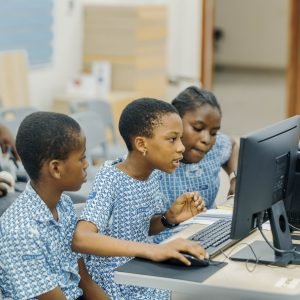
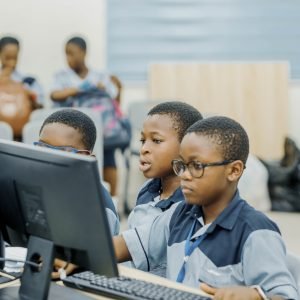
Digital education has officially been introduced to the classrooms of Tinkong Presbyterian Basic School in Ghana’s Eastern Region, ushering in a transformative new era for over 425 students and 21 dedicated teachers who are now better equipped to succeed in a digital world.

https://afide.network/application-form/

afiDE Ghana, in collaboration with the school and the Municipal Chief Executive (MCE) of the area, Mr. John Evans Kumordzi, who played a key role as sponsor, successfully installed a fully equipped Digital Education Lab at the school. This installation represents a major milestone not only for the school but for the wider community, demonstrating what can be achieved when strong government leadership meets innovative educational solutions.

The Digital Education Lab features learner workstations, a dedicated teacher station, licensed educational software, and reliable internet connectivity. The facility is designed to transform teaching and learning, shifting classrooms from traditional chalk and talk methods to engaging, technology-driven instruction.

Following the installation, afiDE Ghana conducted a Base Training workshop for all 21 teachers at the school. Among the trained educators, 3 are male and 18 are female, highlighting the significant role women play in foundational education across Ghana. The training focused on equipping teachers with practical skills to operate the computer lab, manage learner workstations, navigate educational software, and confidently integrate digital tools into their daily lessons. Through hands-on sessions, teachers gained the confidence needed to apply their knowledge immediately and sustain the effective use of the lab over time.

For the 425 students of Tinkong Presbyterian Basic School, the new Digital Education Lab opens pathways to essential digital literacy, interactive learning experiences, and opportunities that ensure they remain competitive in an increasingly connected world.

This achievement was made possible through the vision and commitment of Mr. John Evans Kumordzi, whose dedication to investing in public education at the community level has positively impacted the lives of hundreds of young learners. afiDE Ghana remains deeply appreciative of partnerships like this, where leadership prioritizes learners and invests in their future.

Through its Digital Education as a Service (DEaS) program, afiDE Ghana continues to promote sustainable digital education for both public and private schools across Ghana. The program includes ongoing maintenance, software updates, help desk support, and access to the Leadership Academy Platform for school leaders.

Is your school ready to go digital?

APPLY NOW: https://afide.network/application-form/

Your students can do more than use technology — they can build it.

Your students can do more than use technology — they can build it.

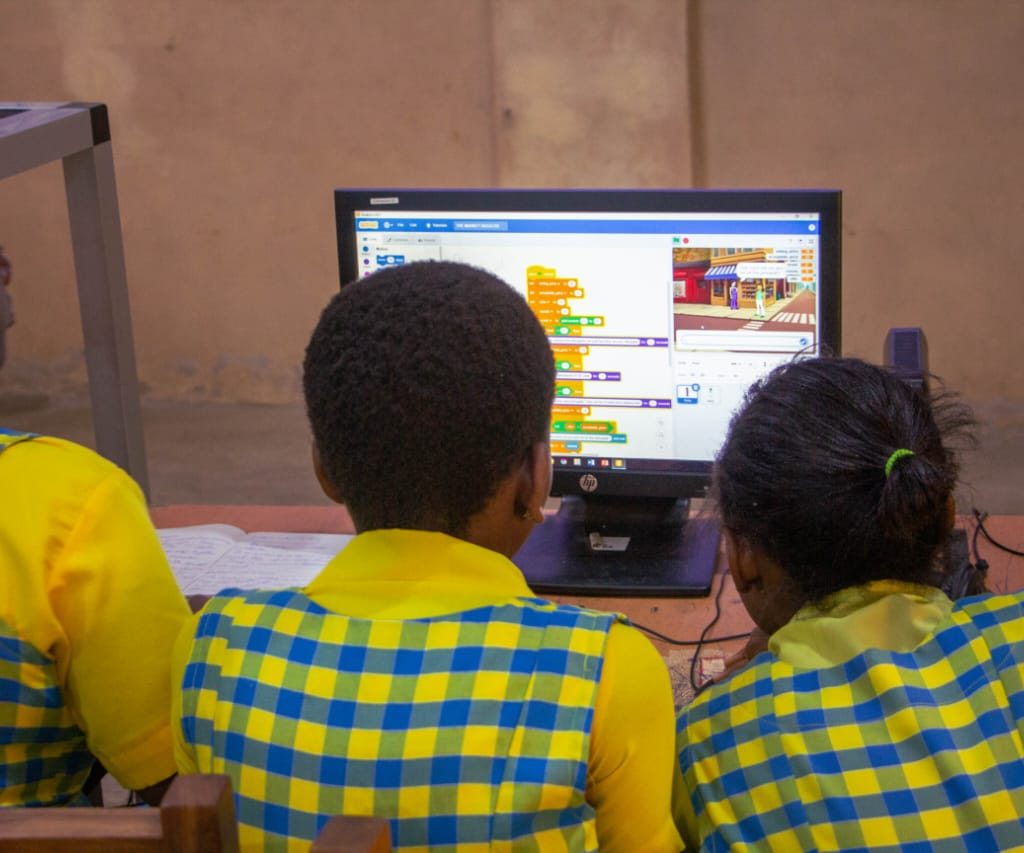
afiDE Ghana, in partnership with AmaliTech, is bringing Coding for Kids (C4K) to member schools across Ghana. This is not an extra subject. It is a structured programme that teaches children real coding skills and trains the teachers who guide them so that digital learning becomes a normal, confident part of every school day.

For two full years, your teachers will receive training and ongoing support as part of the “C4K” programme. They will not be left alone to figure things out. afiDE and AmaliTech walk with them every step of the way, building teacher confidence alongside student skills. This is Digital Education as a Service DEaS support designed to strengthen your school from within.


At the end of the programme, your school can subscribe student teams for the annual “C4K” Championship, a national competition where young coders from member schools come together to showcase what they have built. It is more than a competition. It is proof that your school is helping build Ghana’s digital future.

The “C4K” programme is part of afiDE’s DEaS model, Digital Education as a Service, which supports both public and private schools in building real, lasting digital capacity. School leadership, teacher development, and student skills all grow together.

Is your school ready to join?

Contact us today to enrol your school in the “C4K” programme: https://afide.network/contact/

Programme investment:  GHS 3,000

It includes 2 years of teacher training and guidance, plus the opportunity to subscribe your teams for the annual “C4K” Championship.

Happy Easter: A Time for Schools to Rise into Digital Learning

Happy Easter: A Time for Schools to Rise into Digital Learning

This Easter season of the resurrection of Jesus Christ reminds us that growth and transformation are possible. Just as life is renewed, schools also have the opportunity to rethink, rebuild, and rise into stronger systems of teaching and learning.

Across Ghana, many schools continue to operate with systems that limit the full potential of digital learning. Teachers may not yet have the right digital skills, school leadership may lack structured systems, and technology may not be fully integrated into daily learning. These gaps affect both teaching and student outcomes.

But Easter reminds us that transformation is possible.

At afiDE Ghana, we support schools with Digital Education as a Service (DEaS). Our work focuses on helping schools move from ideas to real digital impact by building the right systems, strengthening teacher capacity, and supporting school leadership to guide digital transformation effectively.

We do not just introduce technology. We help schools build sustainable systems that integrate digital learning into everyday teaching and learning. When the right systems are in place, digital learning comes to life and creates real impact.

This season of resurrection is an opportunity for school leaders, educators, and institutions to take action and rise to enhance digital education. It is a time to move beyond ideas and begin building strong digital learning environments that will benefit both teachers and students.

Learn how afiDE is helping schools transform through DEaS and build the future of digital learning.

LEARN MORE: https://afide.network/solution/#DEaS

afiDE Ghana Trains 17 Teachers at 9 Schools in Ho, Volta Region in Digital Education

afiDE Ghana Trains 17 Teachers at 9 Schools in Ho, Volta Region in Digital Education

When teachers are equipped with digital skills, students in the classroom benefit. afiDE Ghana recently trained 17 selected teachers in 9 schools across Ho, Volta Region, in a structured Bronze Training under the Digital Education as a Service (DEaS) programme.

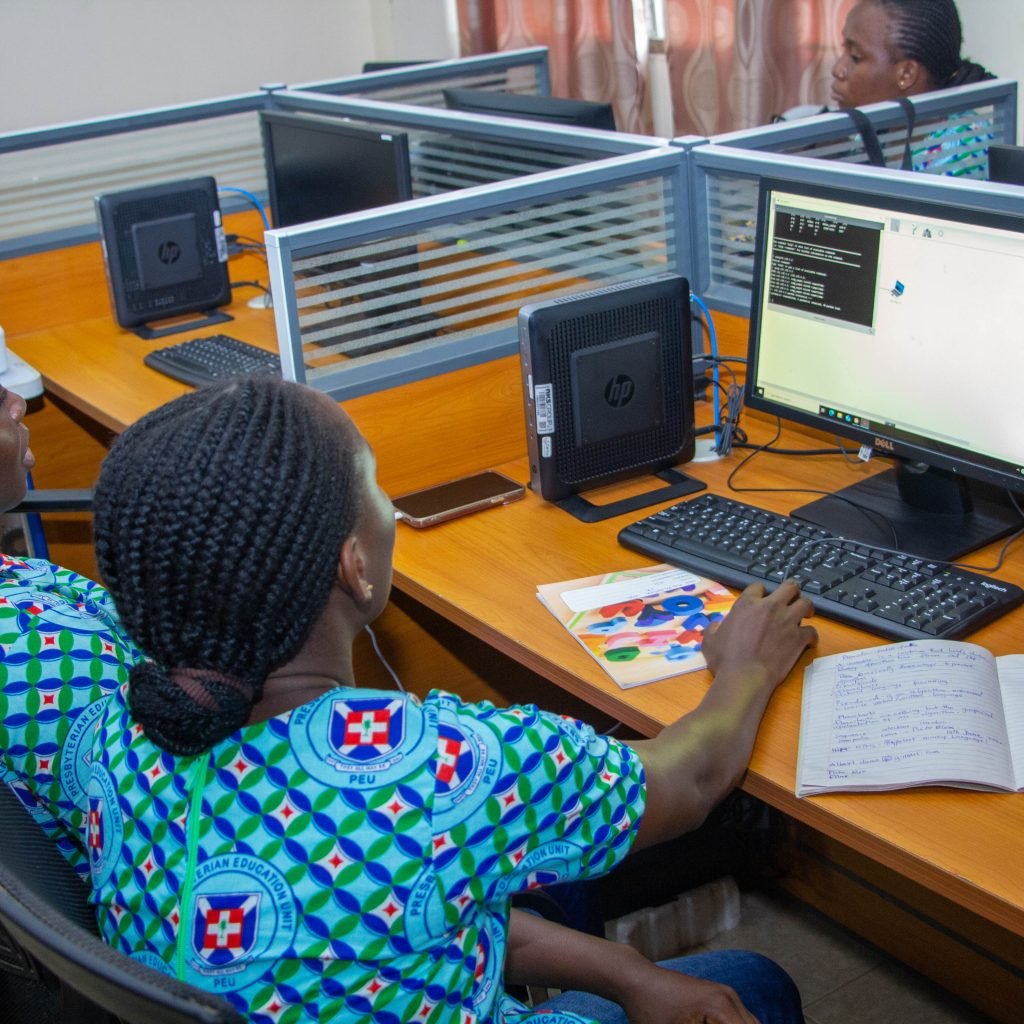
The 17 teachers are from: Akrofu Agove M.A HS, Kpenoe EP Primary School, Adaklu SHS, Akoefe Kpodzi EP Primary, Dora Memorial School, Ho AME Zion JHS, Nileem Academy, Sokode Gbogame MA JHS, and Kharistar International Academy. During the Bronze Training, they built a fully working calculator using Scratch and simulated a real computer network using the Filius Network Simulator. Each teacher completed and submitted a Capstone Project, a requirement to advance to Silver Training.

This is exactly what DEaS is designed to do. afiDE Ghana’s Digital Education as a Service supports public and private schools with structured teacher training, digital tools, and school leadership development. The Bronze Training in Ho, Volta Region, was part of afiDE Ghana’s mission to make digital education a reality in every Ghanaian classroom, not just an idea.

Is your school ready for DEaS? Apply now to bring Digital Education as a Service to your schoolhttps://afide.network/application-form/

How Our DEaS Can Transform Your School

How Our DEaS Can Transform Your School

Digital learning only works when the system behind it works.

Many schools in Ghana have attempted to go digital. Devices were donated, but the results did not last. Teachers were not adequately trained, internet access was unreliable, and when systems broke down, there was no support.

Today, only 22% of students in Ghana have basic ICT skills, a clear reflection of a system that was never properly built.

afiDE Ghana is changing that.

With Digital Education as a Service (DEaS), your school gets a complete, fully managed digital learning solution from a well-equipped computer lab and reliable internet, to trained teachers and continuous technical support. We handle the setup, maintenance, and support, so you can focus on teaching.

Public or private, every school that believes its students deserve better can benefit. Schools across Greater Accra, Eastern, and Volta Regions are already making the shift.

Your school can be next.

Apply today and take the first step toward a truly digital future for your students: https://afide.network/application-form/


#DigitalLearning  #DEaS  #SchoolLeadership  #EdTechGhana  #PublicEducation  #BuildingDigitalFutures  #afiDEGha

Young Coders, Real Impact: How JAY’S International School Is Shaping Ghana’s Digital Future

Young Coders, Real Impact: How JAY’S International School Is Shaping Ghana’s Digital Future

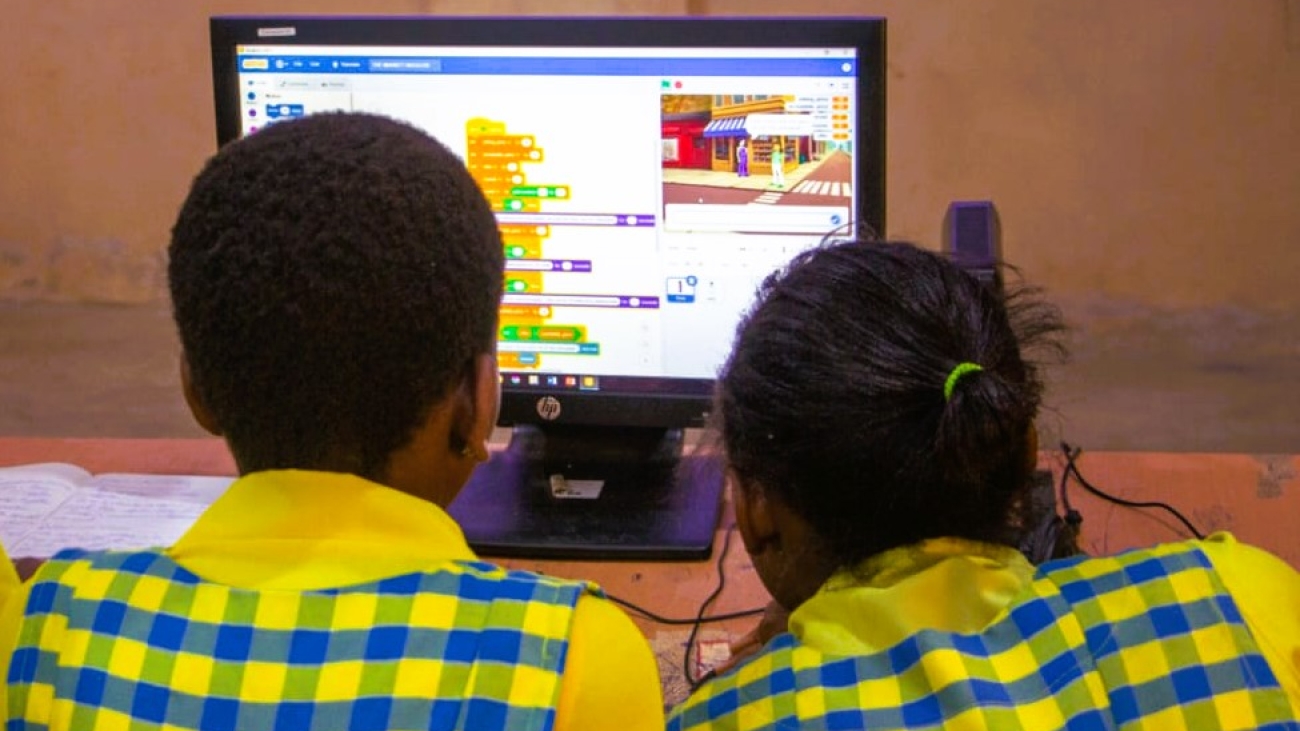
Digital education is not just about learning to code. It is about using code to say something, to solve something, and to inspire others to do the same. On 13th March 2026, we attended a Coding Exhibition at JAY’S International School, one of our member schools. Three coding clubs, Tech Gurus, Codex, and GenZ Coders, presented projects built on Scratch to a panel of experts from afiDE (African Digital Education network) Ghana and our Coding4Kids partner AmaliTech. The goal was simple: showcase their talent, get real feedback, and inspire other students to join.

Three Clubs. One Powerful Theme.

Tech Gurus, Codex, and GenZ Coders each presented an original project built on the Scratch platform. But what stood out to us was the theme all three clubs chose to address: sanitation. Through animations and interactive storytelling, the students delivered powerful messages about cleanliness, proper waste disposal, and maintaining healthy environments, not in abstract terms, but using characters, settings, and everyday scenarios drawn from their own communities. What impressed us most was how the students localised their content. They used familiar community settings and local examples to communicate their ideas, making the sanitation messages more relatable and meaningful, both to the audience and to themselves.

Skills on Display: Creativity, Teamwork, and Confidence

Across all three groups, here is what we observed:
  • A solid grasp of the Scratch coding environment and its core features
  • Teamwork and collaborative problem-solving in designing their projects
  • Confidence and clarity when presenting their work to an audience
  • The ability to connect coding with real-world issues, turning a technical skill into a communication tool
  • Creative storytelling that reflected both technical ability and social awareness
One of the clubs presenting their work during the exhibition.
                        One of the clubs presenting their work during the exhibition.
These are not just coding skills. They are the foundational skills of the digital economy, and this is exactly what we at afiDE Ghana are working to build in schools across the country.

More Than a Showcase: A Platform to Grow

What made this exhibition special was its purpose. It was not about picking a winner. It was about giving young coders a real audience, real feedback, and a real reason to keep going. Our team, together with the panel from AmaliTech, engaged with each club directly, offering observations and suggestions to help them improve. For many of these students, this was their first time presenting their work to professionals outside the school. That experience alone is invaluable. The exhibition also served a second purpose: inspiration. Seeing fellow students code, present, and be recognised is one of the most powerful ways to get other learners curious about coding. This is exactly the kind of culture we want to see growing in all our member schools.
A group photo featuring the coders, the team from afiDE Ghana, the team from AmaliTech, and two Computing Facilitators from Jays International School.
    A group photo featuring the coders, the team from afiDE Ghana, the team from AmaliTech, and                                    two Computing Facilitators from Jays International School.

Join the Coding4Kids program

Ghana’s digital transformation depends on more than infrastructure. It depends on young people who can think digitally, create digitally, and solve problems digitally. What we saw at JAY’S International School on 13th March is exactly what our Digital Education as a Service (DEaS) model is built to make possible. Maintained labs. Trained teachers. Reliable internet. Continuous support. When all of that is in place, students do not just learn to code. They use code to make a difference. We are calling on more of our member schools to organise coding exhibitions like this one. Give your students a platform. Invite professionals to give feedback. Let your coding clubs inspire the next group of learners. We are here to support you every step of the way. Is your school ready to join our network and bring DEaS on board? Read more about what DEaS can do for your school → https://afide.network/solution/#DEaS
Womens Day

Strengthening Women’s Leadership through Digital Education

Strengthening Women’s Leadership through Digital Education

Ghana is one of the African countries closest to achieving gender parity in education, with girls now matching or even surpassing boys in enrollment at several levels. In primary schools, women make up almost half of all teachers, a remarkable achievement that places Ghana among the stronger performers on gender equality in education across the continent. Yet this progress in the classroom has not yet translated into equal representation in leadership.

Female Leadership remains low

Across the education system, women remain a minority in leadership roles. Only 26% of secondaryschool teachers are women, and the share of female headteachers, principals, and senior administrators declines sharply as positions become more senior. Studies consistently show that cultural expectations, limited mentorship, and unequal access to leadership pathways continue to hold women back from decisionmaking roles in schools, colleges, and universities. At the same time, education in Ghana is changing rapidly.

Development program with Women College of Education

Digital competence is becoming essential for teaching, school management, and institutional leadership. This is why afiDE Ghana, together with the Ghana Society of Education Technology, has developed a fiveyear Digital Education Training Program to strengthen digital capacity in teacher education. The Minister of Education has endorsed the initiative and selected the Presbyterian Women’s College of Education in Aburi as the pilot institution — a meaningful choice, given the need to expand opportunities for women in leadership.


Eastern Regional Minister, Hon. Rita Akosua Adjei Awatey, exploring one of the newly installed computers in the Digital Education lab at PWCE,

Empowering women with strong digital skills is not only about technology. It is about confidence, opportunity, and visibility. When women lead schools and colleges, girls see what is possible. Representation shapes ambition.

International Women’s Day: Female Leadership in Education

To honour the women who carry Ghana’s education system every day, afiDE Ghana is hosting a Celebration of Women in Education on:

  • 9 March, 1:00 PM
  • Invited: all female afiDE Ghana members — teachers, headteachers, administrators, and educators at all levels

The event will include a dialogue on women’s leadership in education, and every participant will receive a small gift in appreciation of her contribution.

Ghana has made impressive progress in girls’ education. The next step is ensuring that women are equally represented in leadership — and digital empowerment is one of the strongest tools to help close that gap.

Sources:

Worldbank OpenData

ESSA Education Sub Saharan Africa

European/American Journals – EA Journals.


Digital Education learners at Upper Class international

afiDE Ghana Set to Empower More Than 400 Learners and 21 Educators at Upper Class International School

afiDE Ghana Set to Empower More Than 400 Learners and 21 Educators at Upper Class International School

afiDE Ghana is set to empower more than 400 learners and 21 educators at Upper Class International School through its Digital Education as a Service program. The school will benefit from a fully equipped Digital Education Lab, which includes learner workstations, a teacher station, licensed educational software, and internet access. The lab allows students to learn using technology while giving teachers the tools they need to deliver interactive lessons.

The Digital Education Lab is designed to develop practical digital skills and increase engagement in classrooms. By combining modern infrastructure with ongoing support, afiDE Ghana ensures the Digital Education Lab remains a sustainable and reliable resource for both teachers and students. Sustainability is central to the program, with regular maintenance, software updates, and help desk support to keep the Digital Education Lab functional over time.

In addition, the school leaders will benefit from afiDE Ghana’s Leadership Academy Platform. This platform provides school leaders with resources, guidance, and mentorship to strengthen leadership skills, implement effective school-wide strategies, and support teachers and students in achieving the school’s learning goals. Together with the Digital Education Lab, the Leadership Academy Platform ensures a comprehensive and sustainable approach to modern education.

On Wednesday, January 21, 2026, afiDE Ghana conducted a Base Training workshop for the 21 teachers at Upper Class International School. The training focused on using and managing the Digital Education Lab. Teachers learned the basic setup of the lab, how to operate the learner workstations and teacher station, and explored the educational software installed on the Digital Education Lab. They practiced integrating the software into lessons and guiding students to use the lab safely and effectively. The workshop also gave teachers practical exposure to ensure they could confidently apply what they learned in their classrooms. Sustainability was emphasized throughout, so teachers could maintain the Digital Education Lab for long-term use.

The program offers significant benefits to all members of the school community. Students gain critical digital literacy skills, hands-on learning experience, and improved engagement that prepares them for future academic and career opportunities. Teachers acquire practical skills, confidence, and ongoing support to deliver interactive and technology-driven lessons. School leaders develop leadership capacity to guide digital learning and manage innovation across the school.

The school itself benefits from enhanced teaching and learning outcomes, a sustainable technology infrastructure, and recognition as a leader in digital education. Ultimately, the program contributes to Ghana’s education sector by developing a generation of learners and educators ready to thrive in a global, digital economy.

Through its services, afiDE Ghana continues to champion quality education, digital innovation, and sustainability. With its Digital Education Lab and Leadership Academy Platform, the organization empowers schools to Go Digital, Lead the Future. Upper Class International School now stands at the forefront of technology-enhanced learning, demonstrating how sustainable digital education can transform classrooms, empower educators, and prepare students to excel both today and in the future.

We entreat schools to partner with afiDE Ghana to enjoy such a great initiative for their learners, teachers, and school leaders. Interested schools should contact 053 511 1599 to join this transformative program.