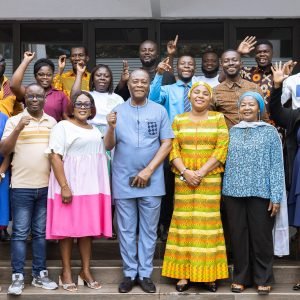

afiDE Ghana is entering a defining phase, marked by our transition into a member driven organisation and our enduring commitment to sustainable digital education nationwide. Leadership at this moment is not incidental; it is central to ensuring that our vision is carried forward with strength and stability.

We are therefore proud to announce the appointment of Eric Kwesi Oppong as General Manager of afiDE Ghana.
This is not simply a new name on our organisational chart. It is a deliberate investment in the management capacity, strategic direction, and institutional stability required to guide afiDE’s growth. It signals to our staff, member schools, partners, and stakeholders that afiDE Ghana’s next chapter is being built on solid ground.
Why this Appointment Matters
afiDE Ghana’s evolution into a member-based organisation is a structural transformation designed for the long term. It requires leadership that can balance two imperatives: preserving continuity with the values and relationships that brought us here, and scaling what comes next: deeper member engagement, stronger partnerships, and wider reach for digital education across Ghana’s schools.
Eric’s appointment is a strategic response to this demand. His background bridges educational leadership and business development, precisely the combination afiDE needs to manage growth responsibly while remaining rooted in our mission.
Knowing Eric
Eric Kwesi Oppong brings over a decade of experience in programme management, educational leadership, and business development. He has consistently built strategic partnerships and led teams to deliver measurable outcomes across Ghana and the United Kingdom.
Guided by UN Sustainable Development Goal 4, Eric directed the iReadilead Campaign, a nationally recognised initiative that established eight modern libraries and delivered literacy and STEM interventions reaching 24,000 basic school learners. His leadership has been recognised through prestigious honours, including the Chevening Scholarship and the GNPC Foundation Scholarship.
He holds an M.A in Education (Leadership and Management) from Oxford Brookes University and an MSc in International Business from the University of Ghana Business School, an academic foundation that mirrors the dual mandate ahead of him at afiDE Ghana: educational impact delivered through sound organisational growth.
“afiDE has built something genuinely valuable: a community rooted approach to digital education that delivers real results. My focus as General Manager is to strengthen the systems and partnerships behind that work, so that as we grow into a member-based organisation, every school, teacher, and learner we serve feels the benefit of that growth. This is a shared journey, and I look forward to building it together with our members, partners, and team.” — Eric Kwesi Oppong, General Manager, afiDE Ghana.

General Manager – afiDE Ghana
What This Means for you
afiDE Staff: Eric’s appointment strengthens the management foundation you work within every day. Expect clearer direction, dependable support, and leadership that understands both the education sector and the operational discipline required to grow an organisation well.
afiDE Members: As afiDE Ghana transitions to a member-based model, Eric’s role is to ensure that this shift genuinely serves you. His experience in building and sustaining partnerships means member voice and engagement will be a priority, not an afterthought.
Partners and Stakeholders: This appointment reflects afiDE Ghana’s commitment to long term institutional strength. You are partnering with an organisation that invests deliberately in its leadership pipeline, a signal of stability and seriousness of purpose as we scale our shared work in sustainable digital education.
Looking Ahead
Eric’s appointment is one part of a broader story: afiDE Ghana building the leadership, structure, and member ownership needed to sustain its impact for the long term.
We are confident this is the right leadership for this moment, and we invite our entire community to join us in welcoming Eric Kwesi Oppong to afiDE Ghana.
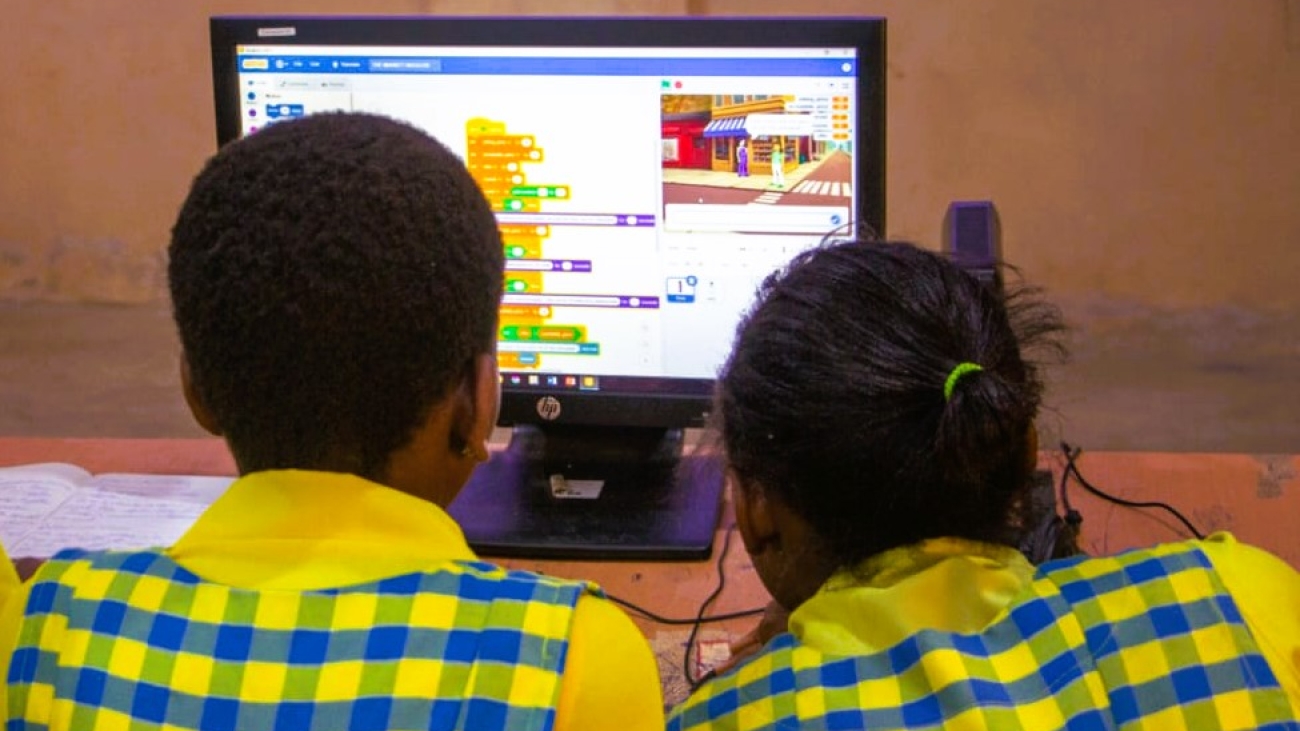

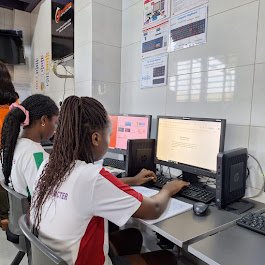


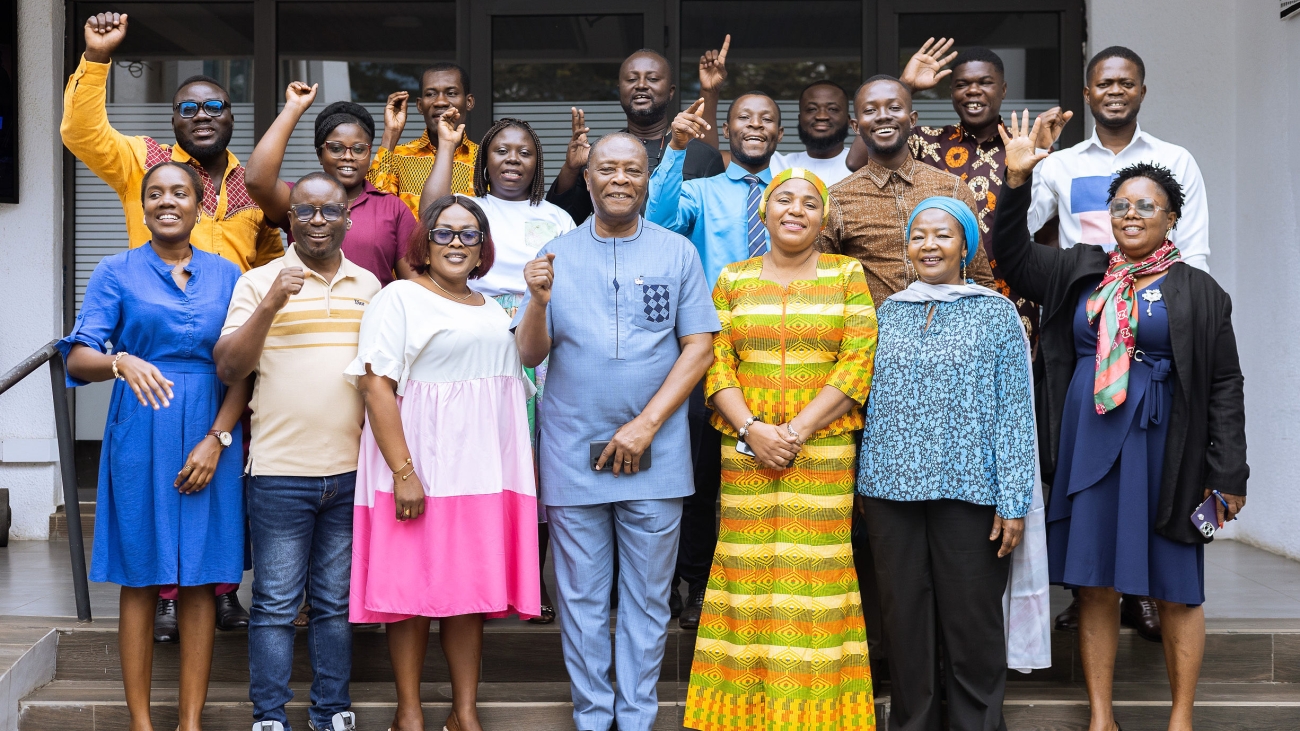
 Twenty school leaders were part of the cohort, which spent eight weeks in training under a programme delivered in partnership by afiDE Ghana and GSET. The closing ceremony, which ran from 8am to 5pm, brought together facilitators, mentors and partners from both organisations to mark the end of the journey.
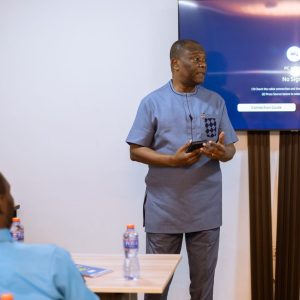 Professor George Kweku Toku Oduro, a prominent Ghanaian Educational Leader, former Pro Vice-Chancellor of the University of Cape Coast (UCC), the Technical Advisor to Ghana’s Minister of Education and the Patron of the Leadership Academy, delivered an address in which he commended the team behind the programme for their work. He said he was proud of what had been achieved and expressed hope to advise the Minister of Education on rolling out the programme on a full, national scale.