Inside the Foundation and Orientation Day for Cohort One of The Leadership Academy, where headteachers traded admin duties for digital ambition

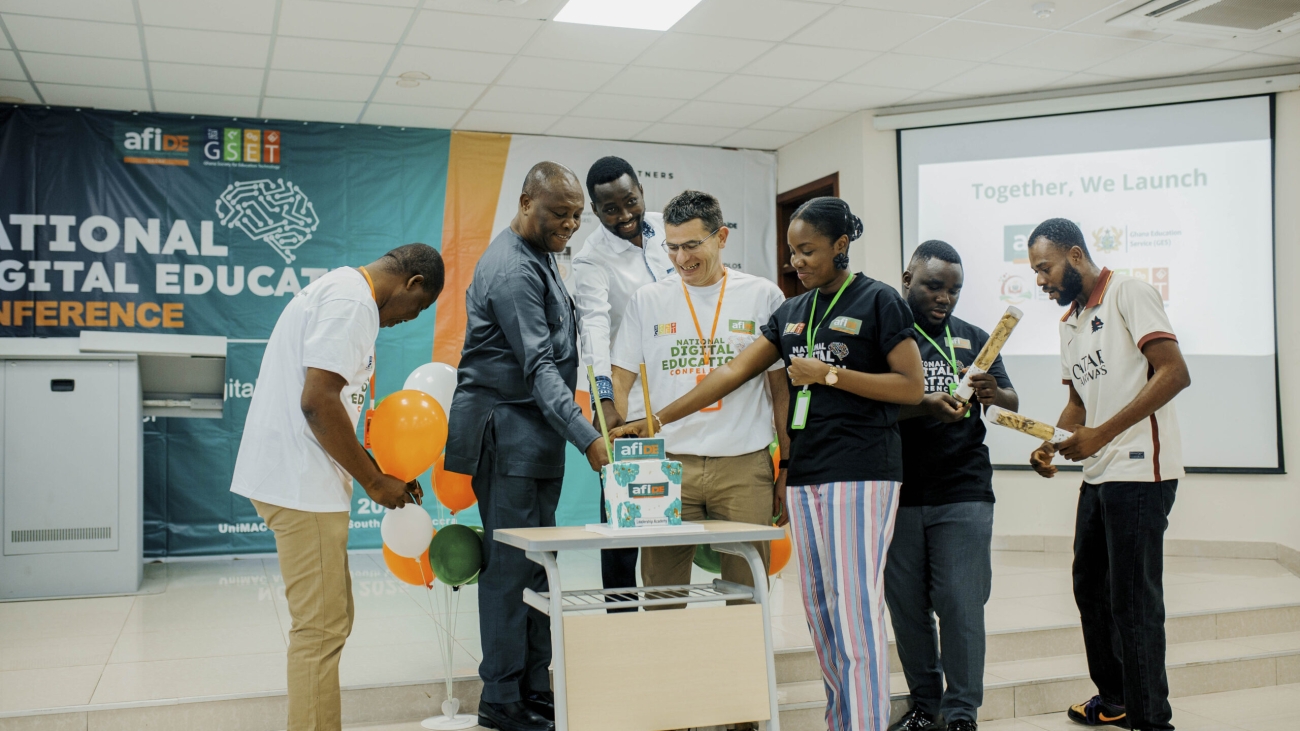
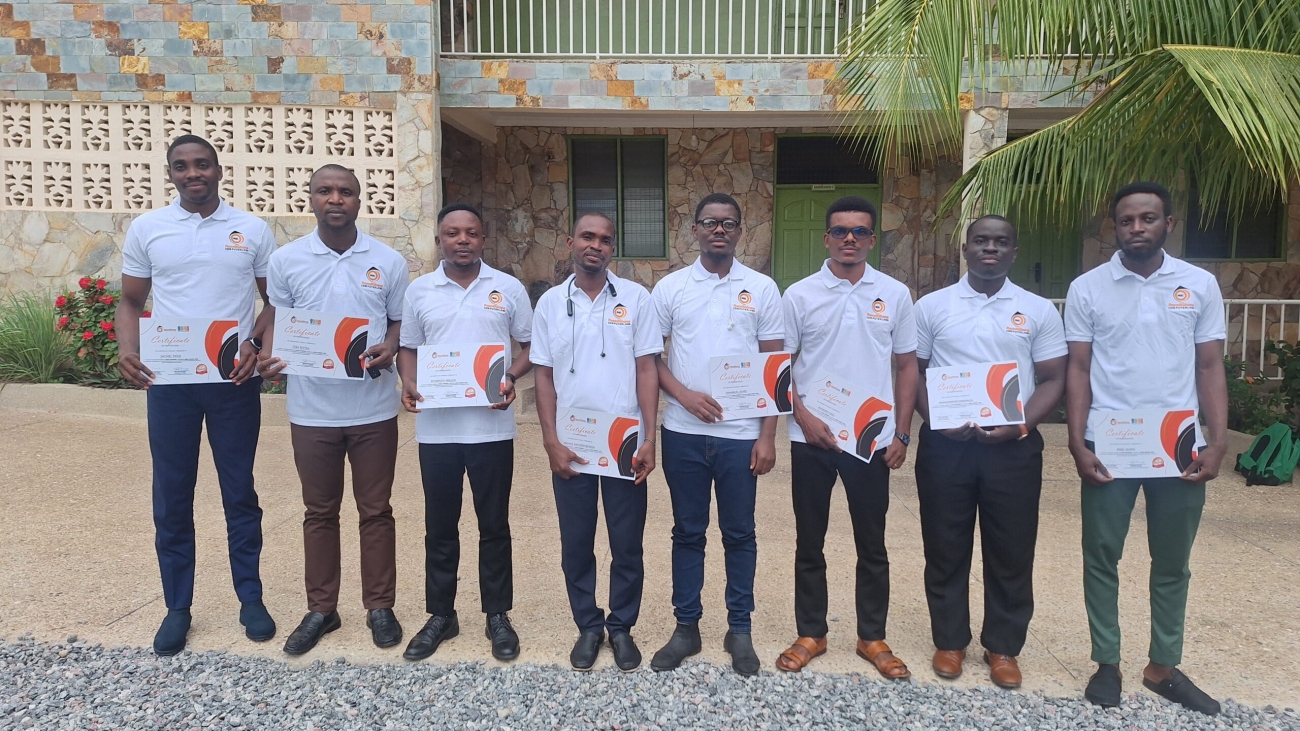
School leaders from across Ghana gathered at Nyansa Square in Accra on Saturday for the Foundation and Orientation Day marking the start of Cohort One of The Leadership Academy, a new digital education leadership programme jointly delivered by afiDE Ghana and GSET.
Among them was a participant who had travelled all the way from the Ahafo Region. He arrived early, notebook in hand, and brought with him an energy that set the tone for the day. By 8:00 a.m., the venue had filled with quiet anticipation as participants registered, settled in, and began making their first connections. The programme team had designed the day to be interactive, educative, and engaging, and the nine-hour session delivered on every count.
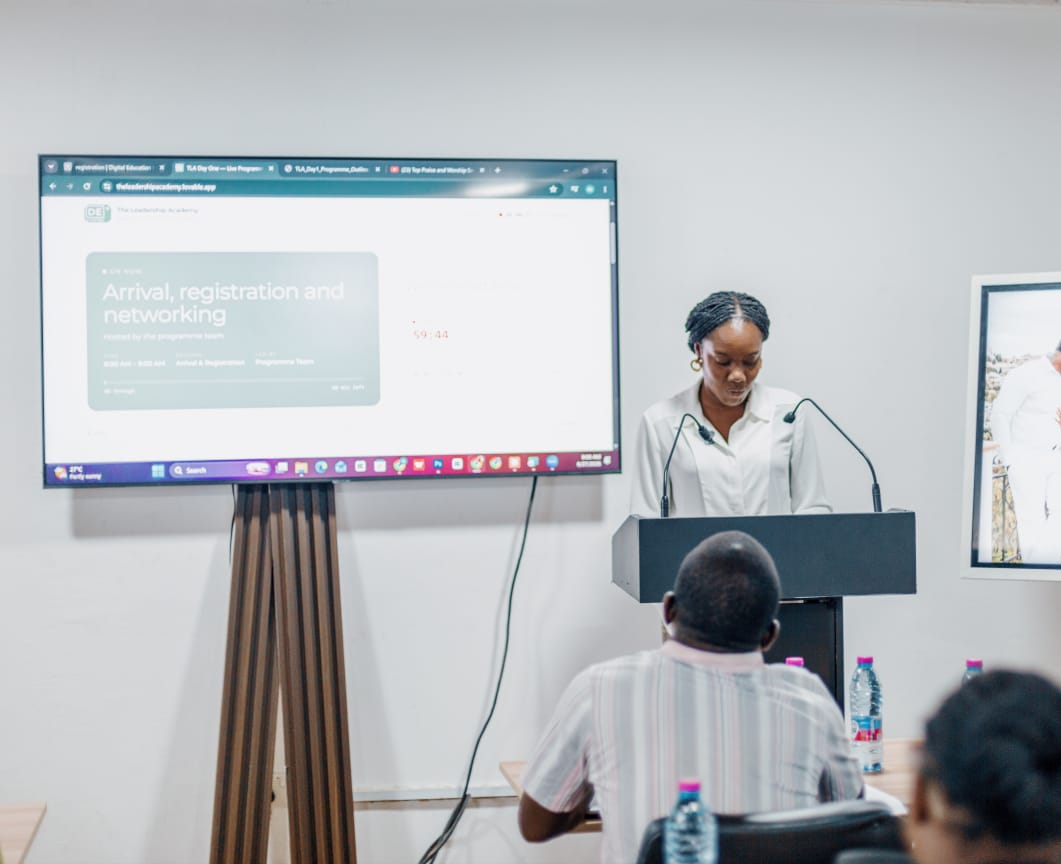
A Welcome Rooted in Gratitude and Vision
At 9:00 a.m., Nicole Odudu, Digital Education Manager at afiDE Ghana, opened proceedings with a welcome address that was both personal and reflective. She recalled that while The Leadership Academy had been officially introduced the previous year, the Foundation and Orientation Day represented the true beginning of a journey nearly a year in the making. She took a moment to acknowledge the afiDE Ghana team, recognising the countless meetings, careful planning, and unwavering commitment that had brought the programme to life.
Addressing the fellows directly, Nicole encouraged them to approach the eight weeks ahead with openness, curiosity, and a genuine willingness to grow. She reminded them that while the knowledge gained within the programme is valuable, it is the relationships built and the actions taken beyond it that will ultimately define their leadership journey. She closed on a note that would echo throughout the rest of the day: that leadership is not about titles, but about service, responsibility, and the courage to create positive change.
A Message Across Borders: Pim de Bokx Speaks from the Netherlands
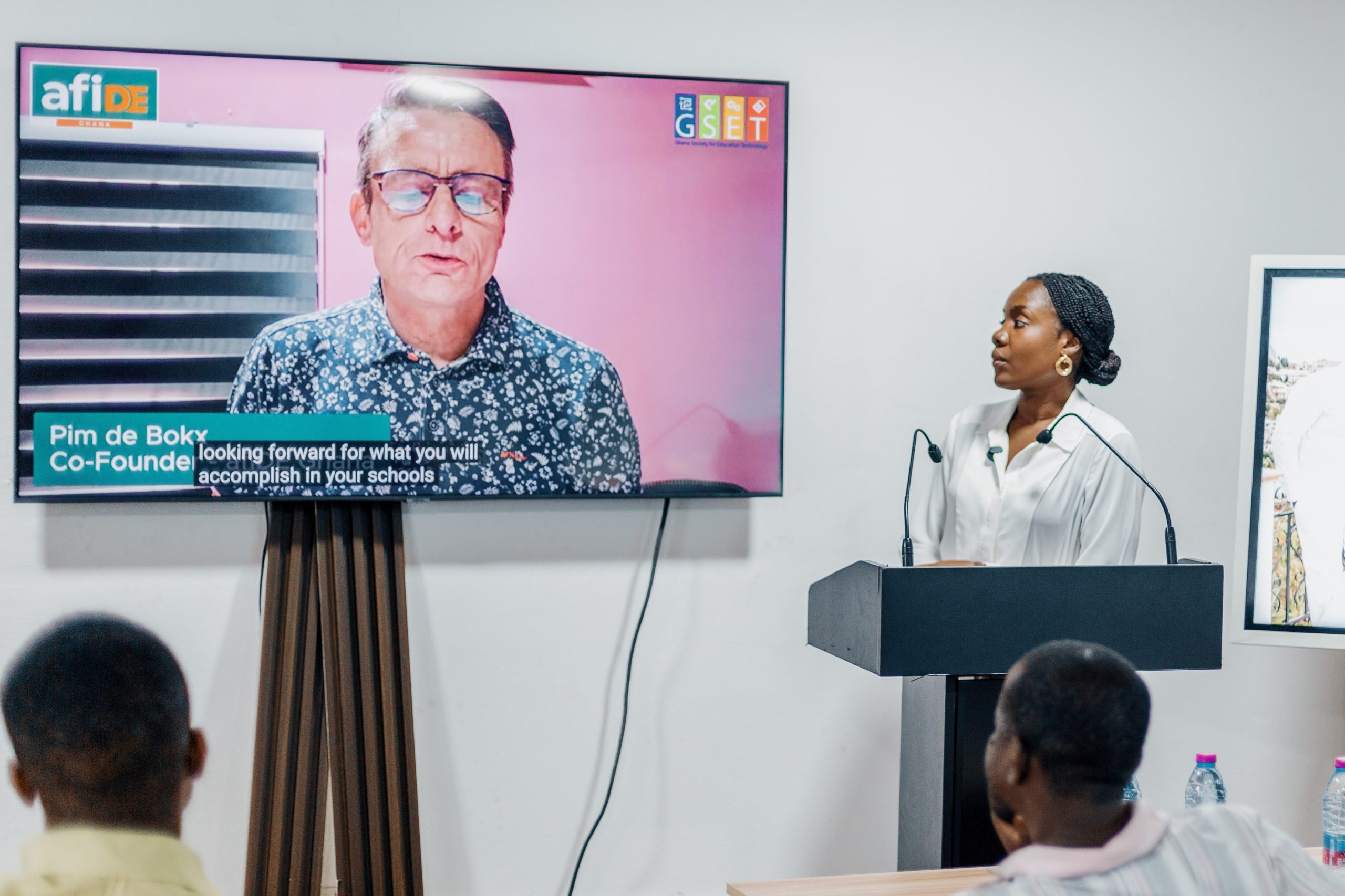
The team then played a video address from Pim de Bokx, Co-Founder and Acting General Manager of afiDE Ghana, joining the session from the Netherlands. His message was warm, direct, and anchored in a clear diagnosis of the problem The Leadership Academy was created to solve: that digital transformation in schools does not fail because of technology, but because leadership is not fully empowered to drive it.
Pim congratulated participants not only for being selected, but for choosing to step into a space that is still evolving and not always straightforward. Drawing on afiDE Ghana’s experience working with over fifty schools, he was candid that the programme does not arrive with all the answers, but is built from years of listening to school leaders and learning from the realities of the field. He was equally clear about ownership: what the programme becomes for each participant depends entirely on what they choose to do with it each week.
He closed with a thought that lingered in the room long after the screen went dark. When many school leaders can lead the shift to digital education in ways that genuinely improve learning, they are not simply changing their schools. They are shaping the direction of education itself.
A Call to Lead Digital Transformation
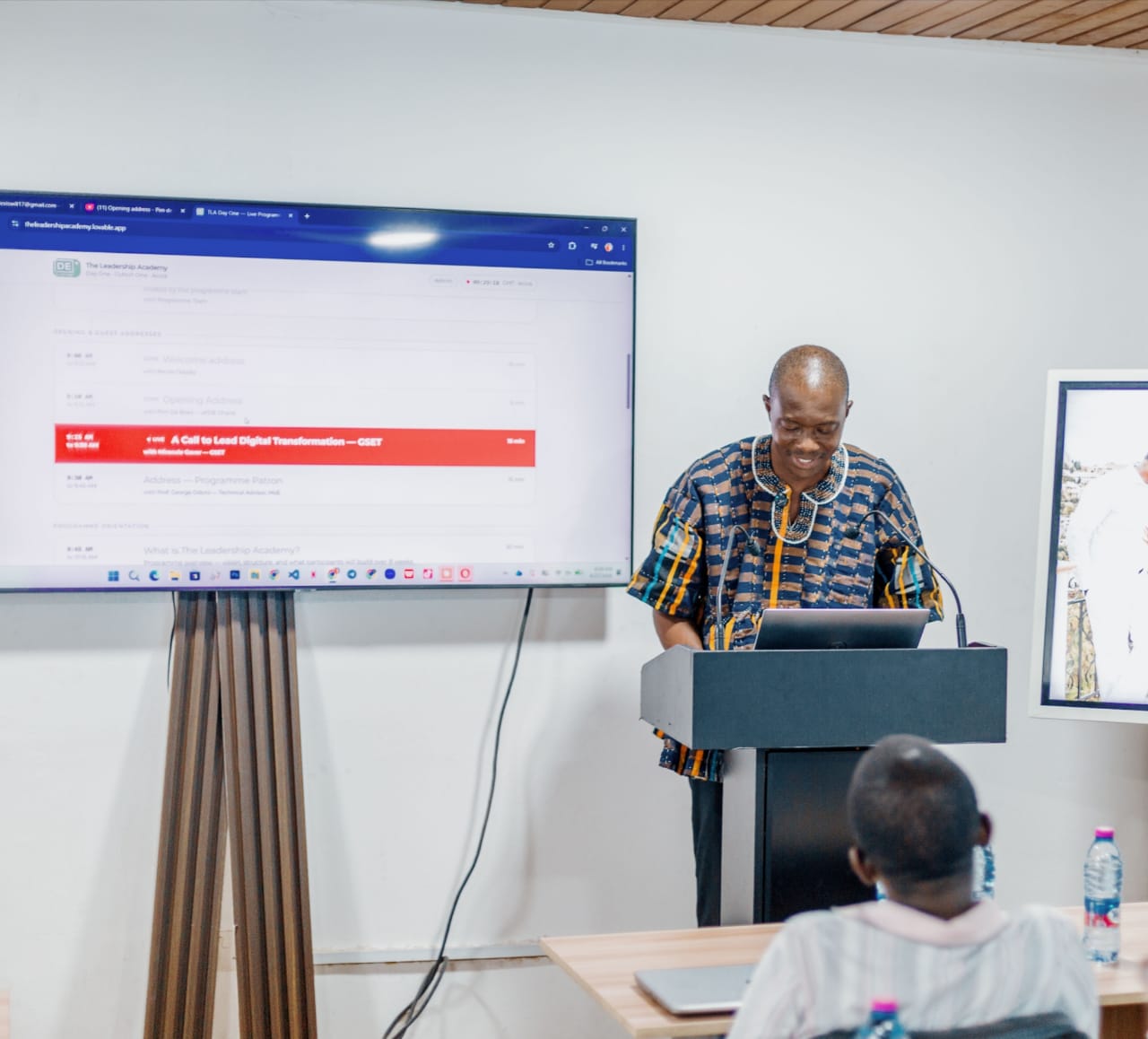
Two guest addresses followed, each framing the wider purpose and responsibility at the heart of the programme. Mr Governor Fianyo, Director of ICT at NaCCA, delivered the first address on behalf of Mr Miracule Gavor of GSET. Titled “A Call to Lead Digital Transformation,” the address challenged participants to see themselves not as administrators managing change from a distance, but as architects actively building it from within.
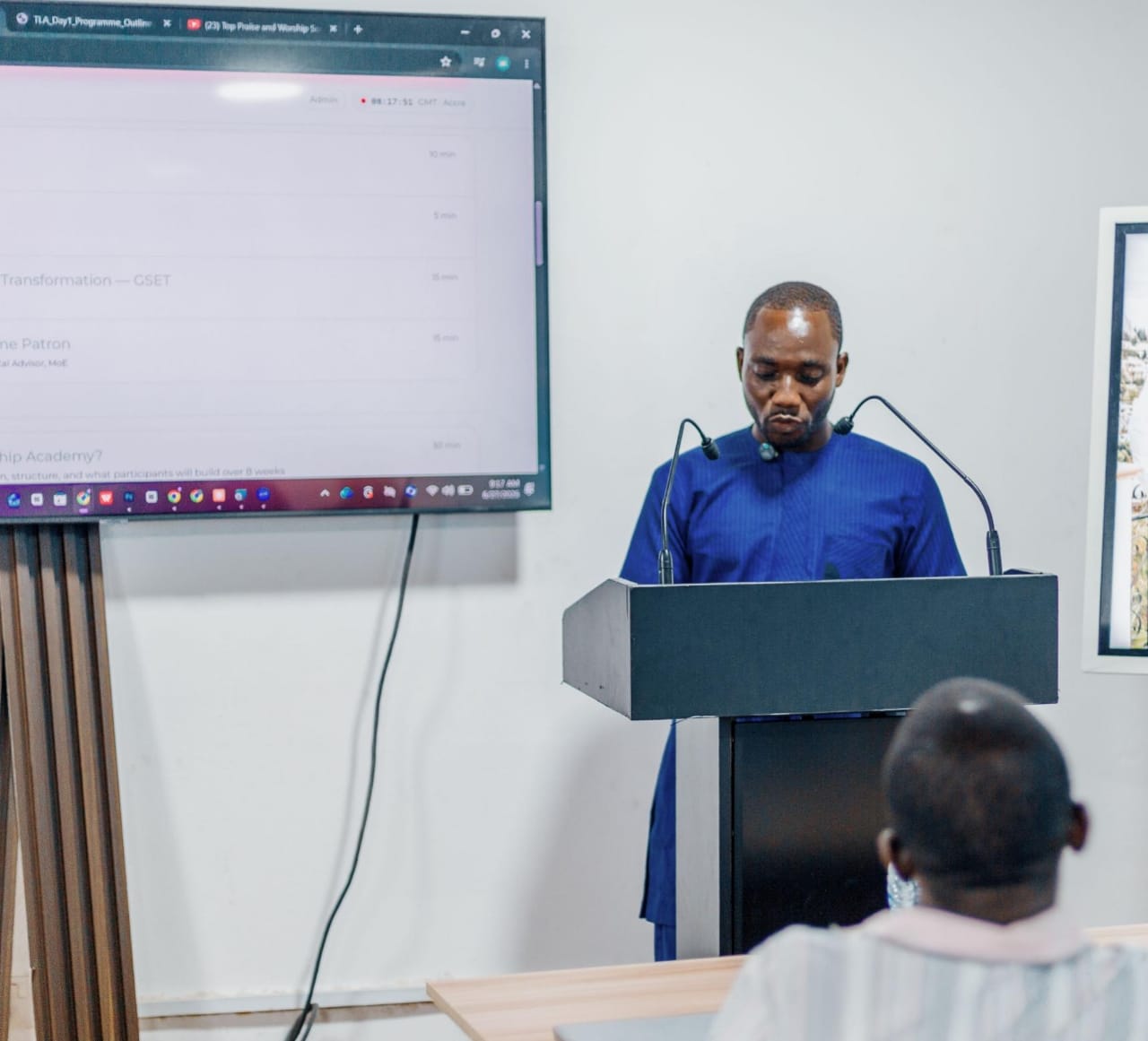
Professor George Oduro, the programme’s Patron and Technical Advisor to the Minister of Education, was represented by Isaac Yeboah, who delivered a thoughtful address on the weight of responsibility school leaders carry in shaping Ghana’s digital education future. Both addresses were received warmly, with several participants reaching for their notebooks as the speakers made their key points.
Eight Weeks, One Strategy, One Mission
With the opening addresses complete, Emmanuel Sefadzi, Programme Coordinator of The Leadership Academy and Digital Education Trainer at afiDE Ghana, took the floor to walk participants through what the programme actually offers. Over eight weeks, each school leader will progress from the foundations of strategic thinking through to a completed Digital School Strategy, which every participant will present formally in Week 8. Emmanuel laid out the vision, the structure, and the week-by-week journey participants could expect, giving the room a clear picture of the road ahead.
Saturday’s gathering marked the only in-person session of the cohort. All future sessions will be delivered through The Leadership Academy platform, and the team took time to walk participants through the sign-up process step by step, covering how to log in, navigate the portal, and access their course materials. The team also confirmed that a second cohort is planned before the end of the year, once Cohort One concludes.
Patchy Networks, Hesitant Staff, Stretched Budgets: The Real Talk Begins
Introductions brought the room to life in a way that formal proceedings rarely do. Each participant shared their name, their school, and one digital challenge keeping them up at night. The concerns were candid and wide-ranging: patchy infrastructure, staff reluctant to embrace change, and budgets stretched well beyond what digital ambitions require. The participant from the Ahafo Region stood out once again, this time for the directness and energy he brought to the conversation.
From Theory to Strategy: The Learning Begins
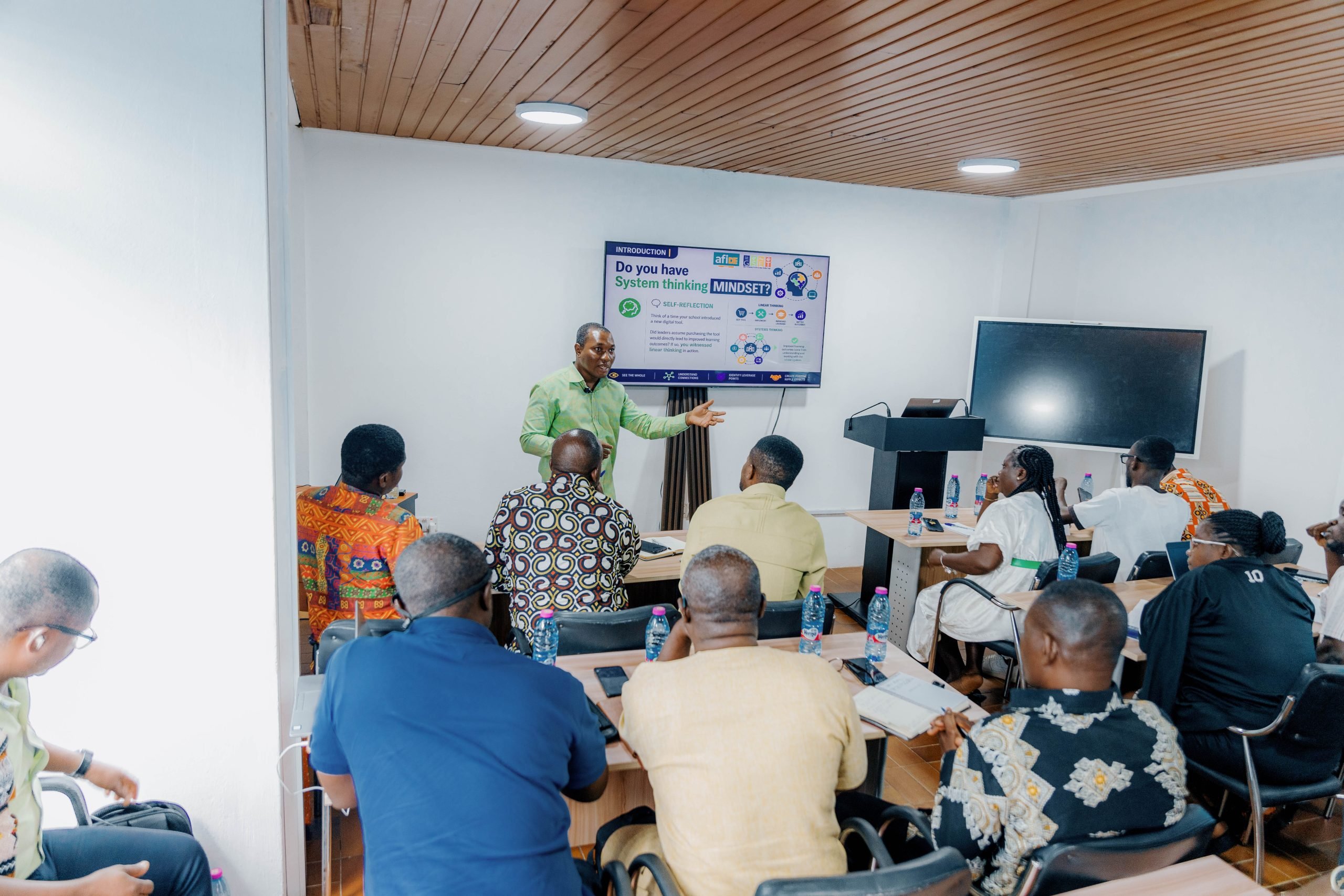
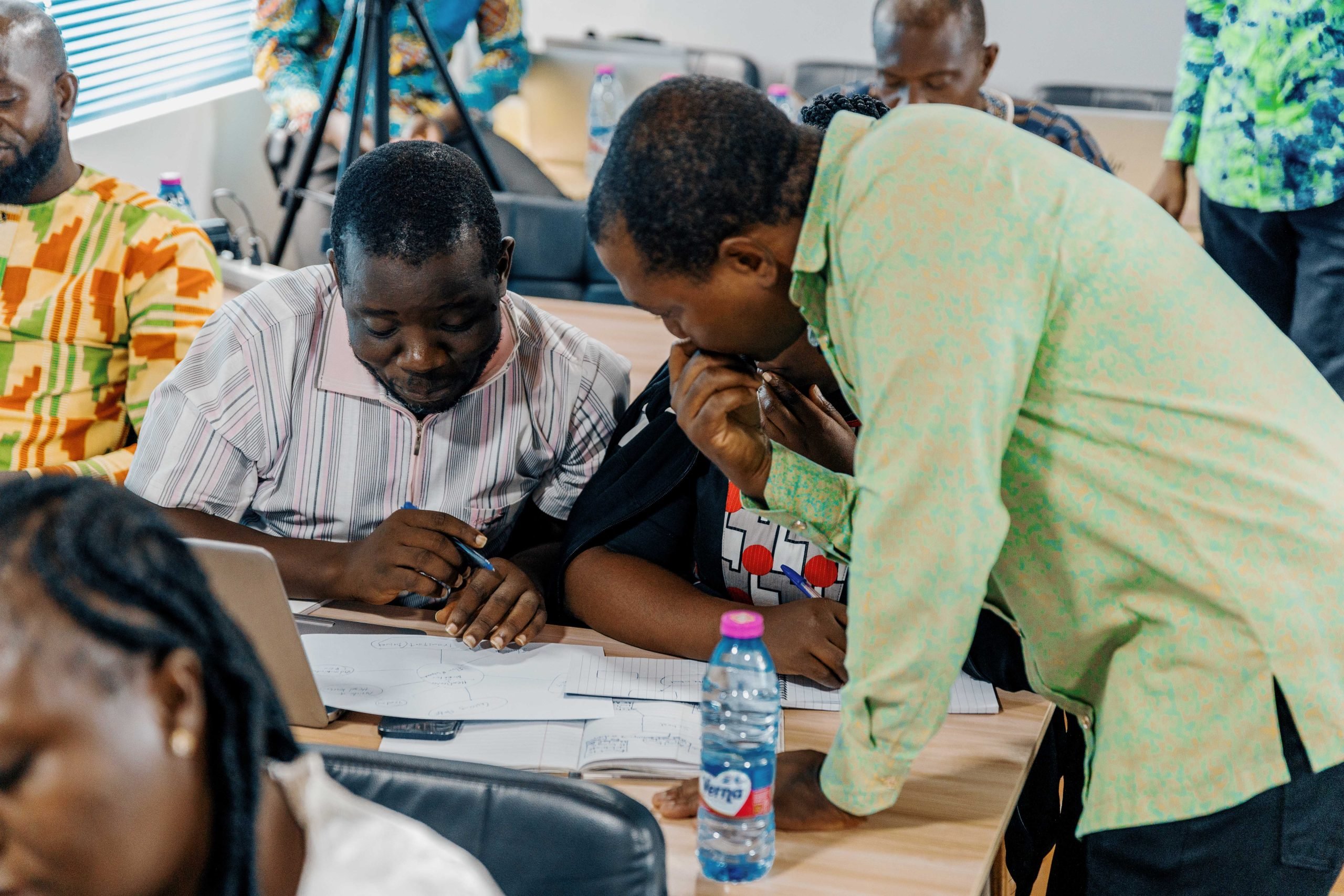
The academic portion of the day opened after a short snack break with the first unit of Module One, Foundations of Systems Thinking. Rather than a conventional lecture, the facilitator built the session around discussion and real-world scenarios, prompting participants to think critically about how change in one part of a school ripples across everything else. By the end of the session, participants had begun drafting early outlines of their own digital vision.
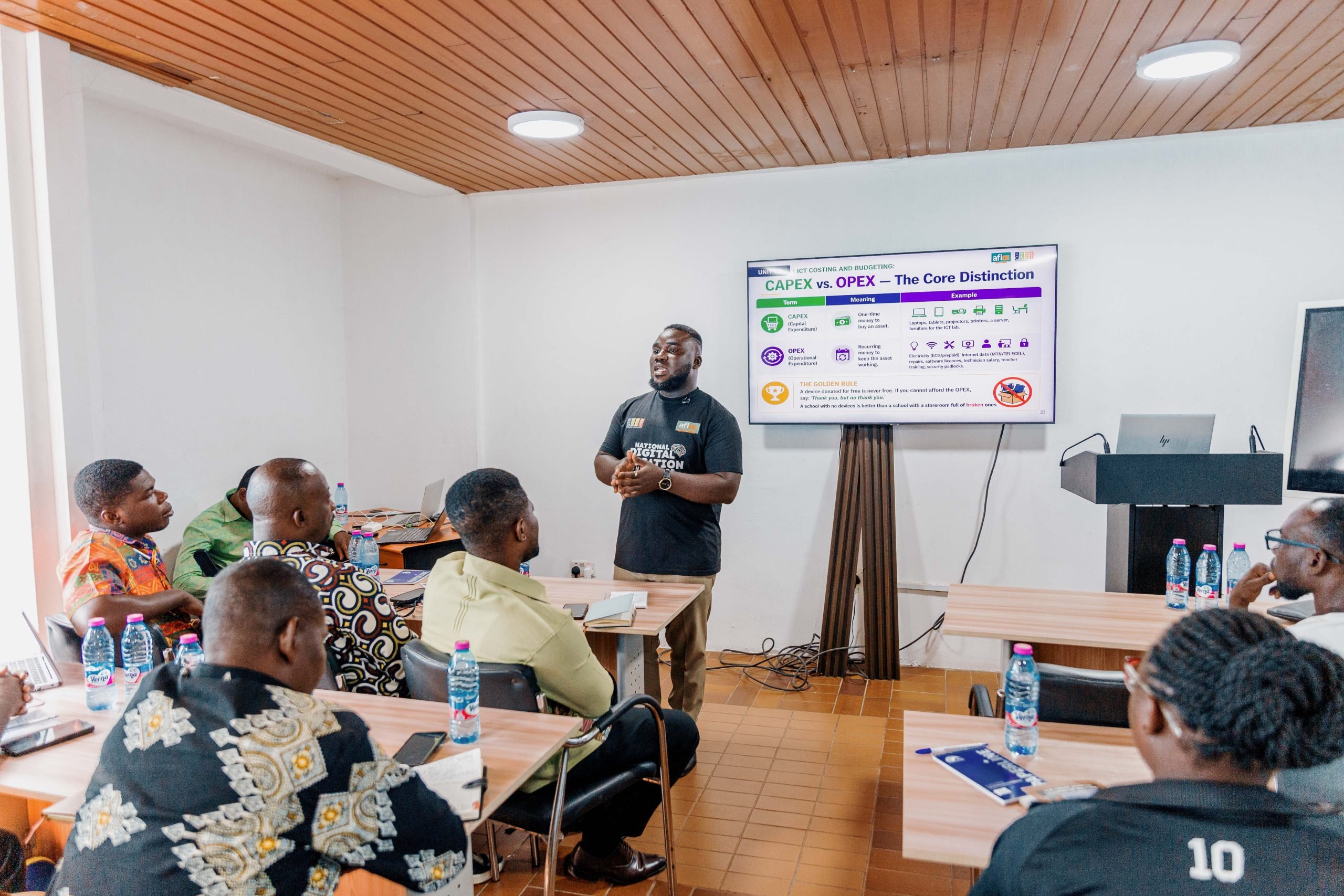
A second session on Introduction to Digital Strategy followed the same participatory format, with school leaders stress-testing their ideas against each other’s experiences and contexts. After lunch, the focus shifted to ICT Costing and Budgeting, a session that gave participants a practical and often sobering look at the true cost of digital initiatives once training, ongoing support, and maintenance are factored into the picture.
Building the Strategy: Emmanuel Returns to the Floor
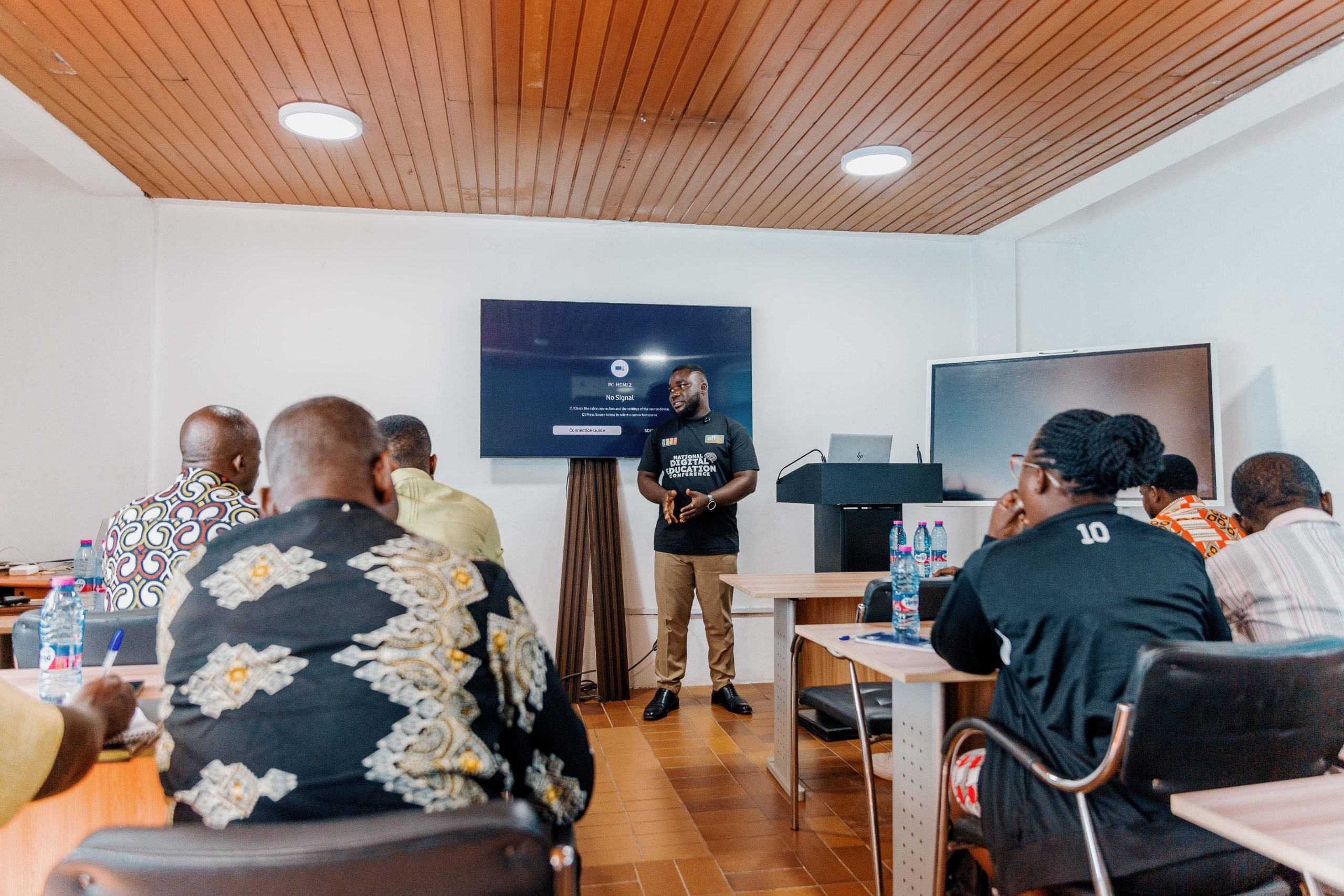
The afternoon’s closing session saw Emmanuel return to the floor to introduce participants to the centrepiece of the entire programme: the Digital School Strategy. He walked the room through what the strategy is, how it is built week by week through the platform, and what a finished strategy looks like when presented in Week 8. It was a moment that brought the full arc of the programme into sharp focus, connecting the morning’s vision to the practical work that now lay ahead.
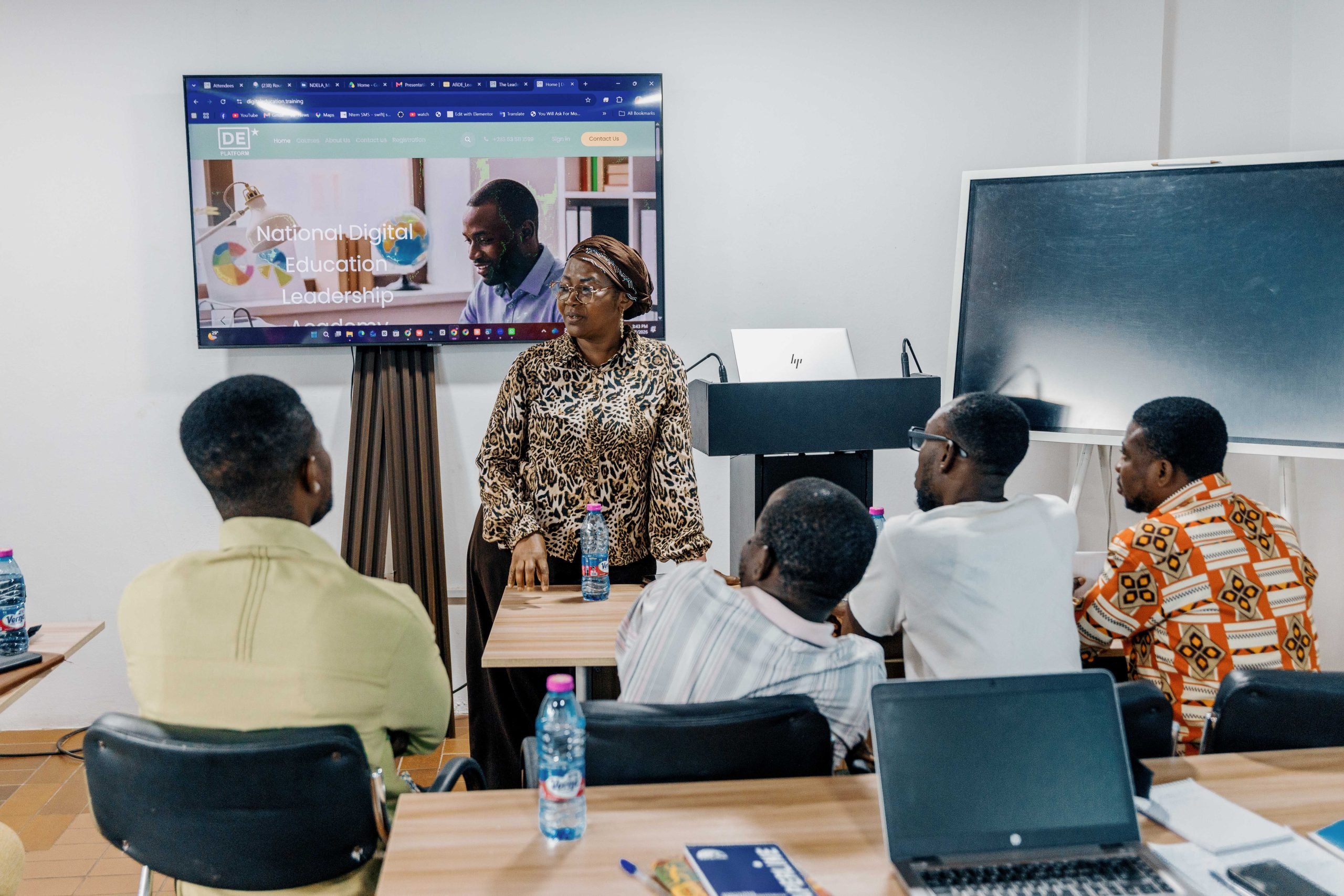
Meet Your Mentor: The Journey Beyond the Room
The most anticipated moment of the afternoon followed immediately after, when participants were placed into peer groups of five and formally introduced to their mentors. These mentors will provide regular check-ins throughout the eight weeks, supporting each group as they develop their Digital School Strategy, largely through the platform rather than face to face.
The facilitator then led the school task briefing, asking each participant to name one concrete action they would take at their school before Week 2 begins, a small but deliberate commitment that turned the day’s reflection into accountability. Emmanuel closed the session with final remarks, reminding participants of what to expect in the weeks ahead and encouraging everyone to log into the platform and prepare for what comes next.
Beyond Day One: What This Means for Schools and Ghana
The significance of what began on Saturday extends well beyond the twenty leaders who filled that room. Each participant returns to their school carrying not just new perspectives, but a structured, eight-week framework for translating digital ambition into a concrete and workable strategy. Critically, that framework is designed around the real obstacles school leaders face every day: unreliable infrastructure, staff who are hesitant to change, and budgets that rarely stretch as far as the vision demands.
As these Digital School Strategies take shape and move into implementation, the benefits will be felt across entire school communities. Teachers will be led by principals who understand the strategic, financial, and human dimensions of digital transformation. Students will learn in environments shaped by deliberate and informed decision-making rather than reactive technology adoption. And school boards and parents will gain greater confidence in the digital direction their institutions are taking.
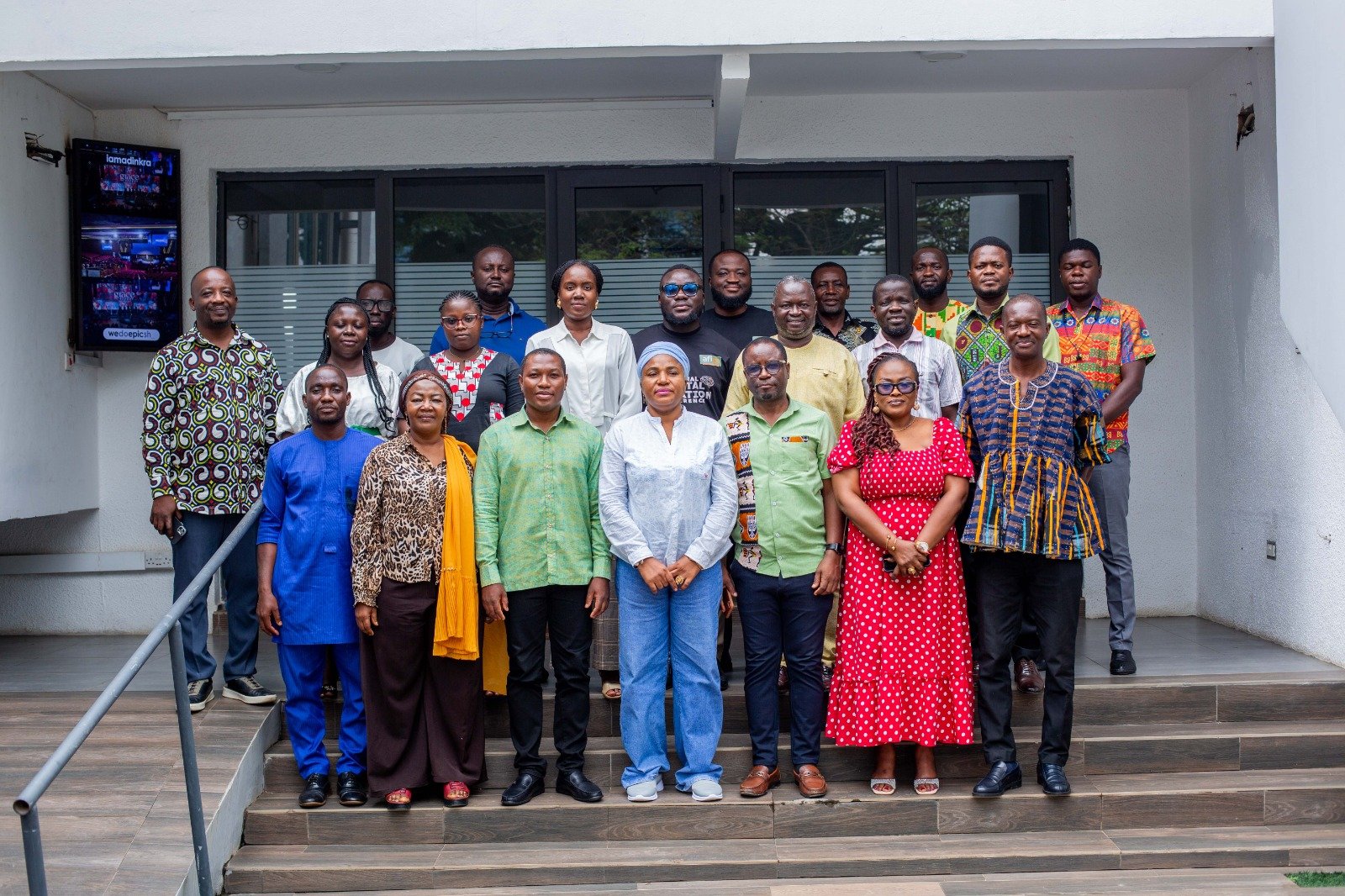
At a national level, the programme speaks directly to Ghana’s broader ambition for digital transformation in education. By building strategic leadership capacity at the school level, The Leadership Academy is creating a network of administrators equipped to bridge the gap between national policy and everyday school reality. With a second cohort expected before the end of the year, the momentum is already building. School leaders who missed out on Cohort One are encouraged to follow The Leadership Academy’s channels for updates on when applications for Cohort Two will open.
Twenty school leaders now share one mission, with eight weeks ahead of them and a movement quietly taking shape behind them.
The Leadership Academy is delivered by afiDE Ghana and GSET. For more information on the programme, visit: https://afide.network/what-you-need-to-know-about-our-leadership-academy-and-why-your-school-needs-it-now/