_MG_0289 (1)

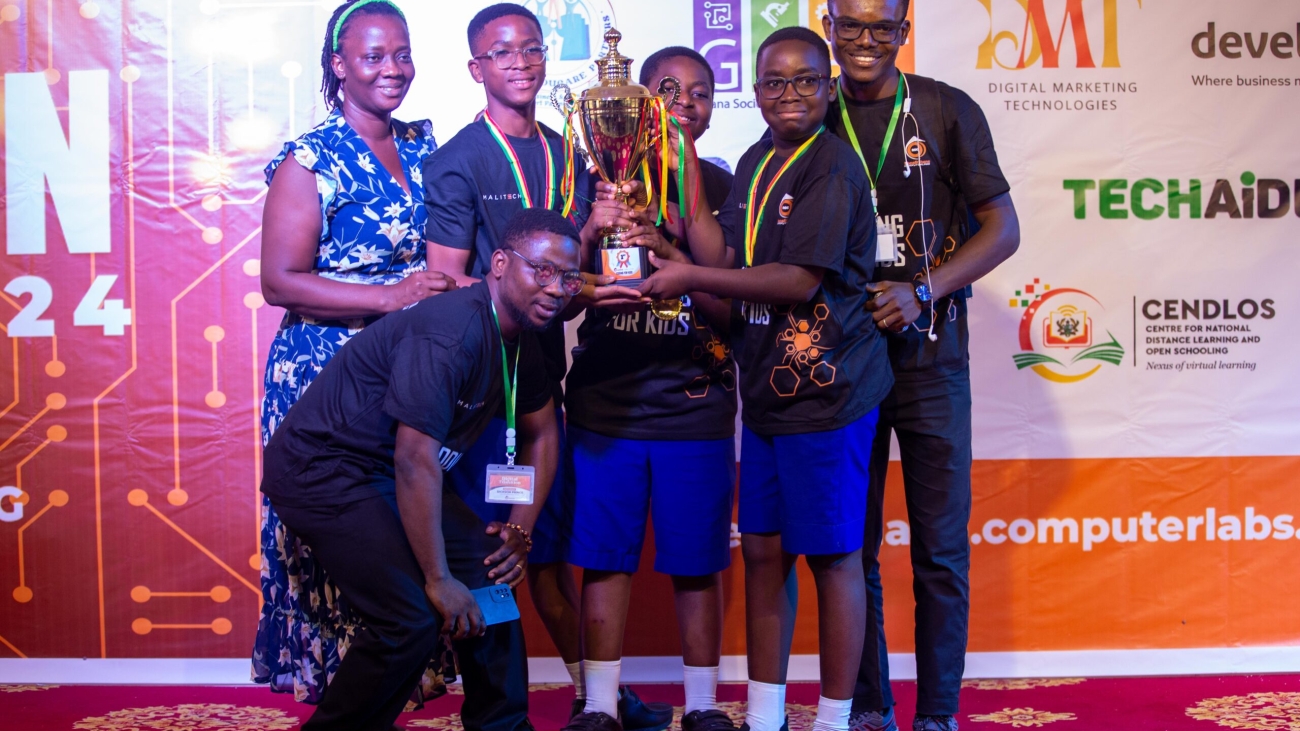
Jay’s International School Wins Maiden Edition of Coding for Kids(C4K) Competition organized by afiDE Ghana(RGC) and AmaliTech.

Jay’s International School at Oyarifa in the Greater Accra Region of Ghana won the maiden edition of the Coding for Kids competition organized by afiDE Ghana(RGC) and AmaliTech.
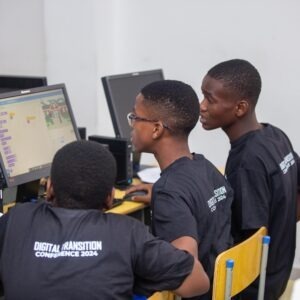
Coding for Kids(C4K) was a side event at RGC’s digital transition conference, which was organized on November 15, 2024, at the Confucious Institute at the University of Ghana, Legon. The schools that participated in the C4K competition were Acropolis Maranatha School—Pokuase, Royal Madonna School—Taifa, Jay’s International School—Oyarifa, and Clarus Academy—Oyarifa.

At the end of the competition, Acropolis Maranatha School scored 84 points, Royal Madonna scored 87 points, Clarus Academy scored 88 percent and Jay’s International School took home the prize with 89 points.
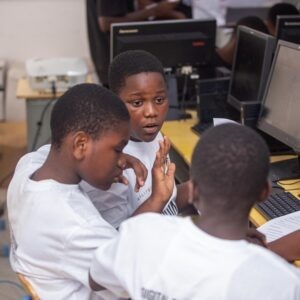
 

Begin with “The coding competition was an opportunity for students to exhibit their programming skills and to showcase the use of one of our software: Scratch. In the space of four weeks, RGC and AmaliTech assessed the selected schools. AmaliTech gave the schools a two-week training curriculum. The schools were assessed to see whether they were ready for the coding competition or not.

There were three challenges allocated to all three schools. The challenges focused on social good such as Environmental Protection, Peer Pressure, and Education.

Acropolis came up with a project around protecting the environment, with some very interesting ideas about a superhero and a bad guy who had his minions.
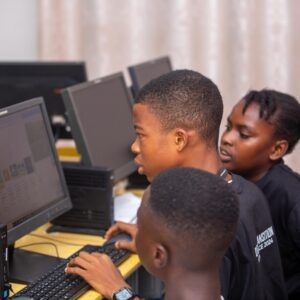
Clarus Academy also took a similar approach by explaining and exploring the topic in greater detail, but they did not include the superhero element. Additionally, they worked on a project focused on environmental protection

Jay’s International School worked on peer pressure, including decision-making and an interesting quiz at the end. Royal Madonna also did a project on peer pressure. Rules governed the competition. The participants were allowed access to the internet to explore and be more creative.

The judging criteria was grouped into Technical, Creativity, and Team Dynamics. The judges were Mr. Paul Asitik from AmaliTech, a technical judge, Miss Miriam Ocloo from GSET, a Creativity judge, and Mr. Kwarteng of Educare, a Team Dynamics judge.
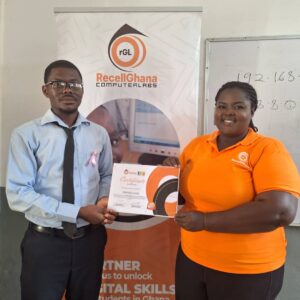
Amalitech staff and each school’s computing facilitators were acknowledged on stage and appreciated.

RGC and AmaliTech congratulate Jay’s International School (Oyarifa) for winning the inaugural Coding for Kids (C4K) competition and we wish them all the best in their programming journey.
WhatsApp Image 2024-11-01 at 09.35.28_9e25d34b

afiDE Ghana(RGC) Partners with GSET to conduct an advance computing skills training for educators.

afiDE Ghana(RGC) in partnership with the Ghana Society for Education and Technology(GSET), has conducted advanced computing training for educators in some parts of the Greater Accra region of Ghana.

The advanced training, coined as bronze training, is an add-on to RGC’s base training, which focused on empowering computing facilitators, formerly ICT facilitators with comprehensive and advanced computing and digital education skills.


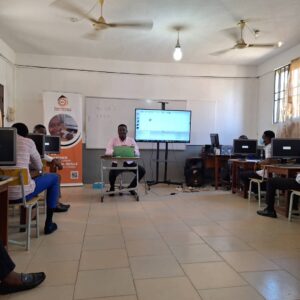
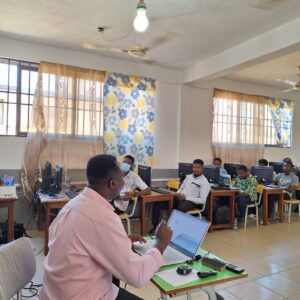
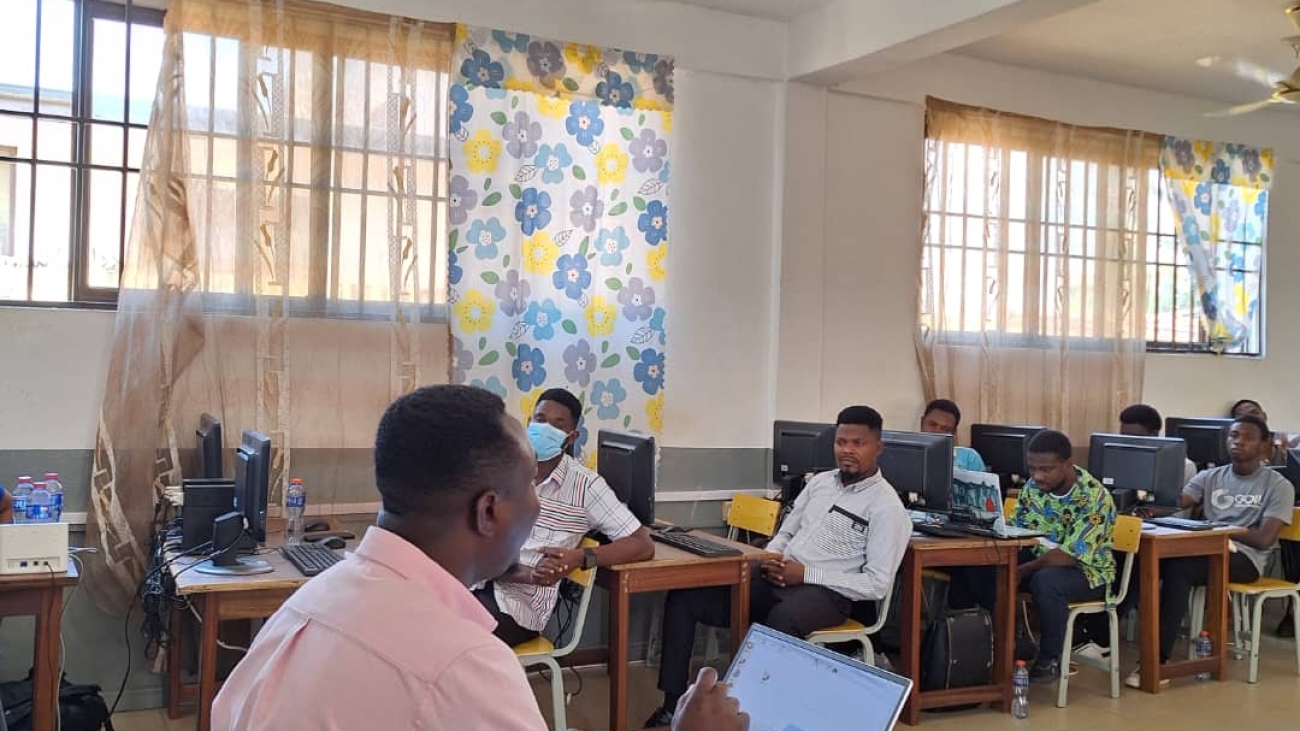
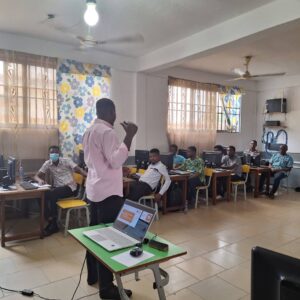
The training took place at three different places; Nsawam Methodist Primary School (Nsawam) and Acropolis Maranatha Academy (Pokuase) and Sege Community Lab (Sege-Ada West District) from 15th to 16th, 22nd to 23rd, and 29th to 30th October 2024, respectively. More than 50 computing teachers from different public and private schools in the region attended the bronze training.

The bronze training is a module built by RGC to help computing educators understand more advanced programming concepts such as data- structures, functions, and object-oriented programming. During the training, the teachers were made to undertake complex programming projects to prepare them to teach and encourage students to pursue coding initiatives and also, support and mentor students in advanced coding projects to foster their creativity and problem-solving skills.


The computing teachers learned and had on hand practical experience with database management systems such as MySQL, Microsoft Access, and so on. During the practical sessions, the teachers were able to extract meaningful information or insight from raw data to create reports and foster their data-driven decision-making in our educational sector.

Another key topic that was taught during the training was:

  • Networking: Teachers understood networking principles, including network types, protocols, and configurations.
  • Cybersecurity: Teachers implement cybersecurity best practices to protect networked systems.


Teachers were trained on how to manage and secure ICT environments in their schools, ensuring data privacy and network integrity, and also to take leadership roles in advocating for and implementing technology initiatives in their schools. In addition, teachers were maltreated to provide guidance and mentorship to students engaged in ICT-related projects in their various schools.

Teachers were encouraged to collaborate with non-computing teachers to facilitate technology integration across subjects and grade levels to help boost digital education within Ghanaian society. Teachers were also guided on how to create ICT policies aligned with educational goals and student needs, draft budgets for ICT projects, effectively allocate resources, and develop strategic plans for the seamless integration of ICT into the school curriculum.

afiDE Ghana is keen to provide a solution to the digital education gap within our society, by rendering our computerlab-a-service to schools in Ghana.