WhatsApp Image 2025-08-01 at 06.05.25_edd4fa0c

Computerlabs Ghana Partners with PAMEPI to provide Sustainable Digital education for Selected Schools in the Northern Region

Computerlabs Ghana Partners with PAMEPI to provide sustainable digital education for selected schools in the Northern Region

Computerlabs Ghana (CLG) has partnered with the Paabinaa Meriga Peace Initiative (PAMEPI) to deliver sustainable digital education to selected schools in the Northern Region of Ghana. This groundbreaking initiative aims to empower schools, teachers, and students—particularly in underserved communities that lack functioning and sustainable ICT infrastructure—to access the tools and skills they need for the digital age.

Through the partnership, CLG and PAMEPI will work together to install over 21,000 computers, impact more than 31,000 students, renovate ICT rooms in partner schools, and provide comprehensive digital education training for teachers.

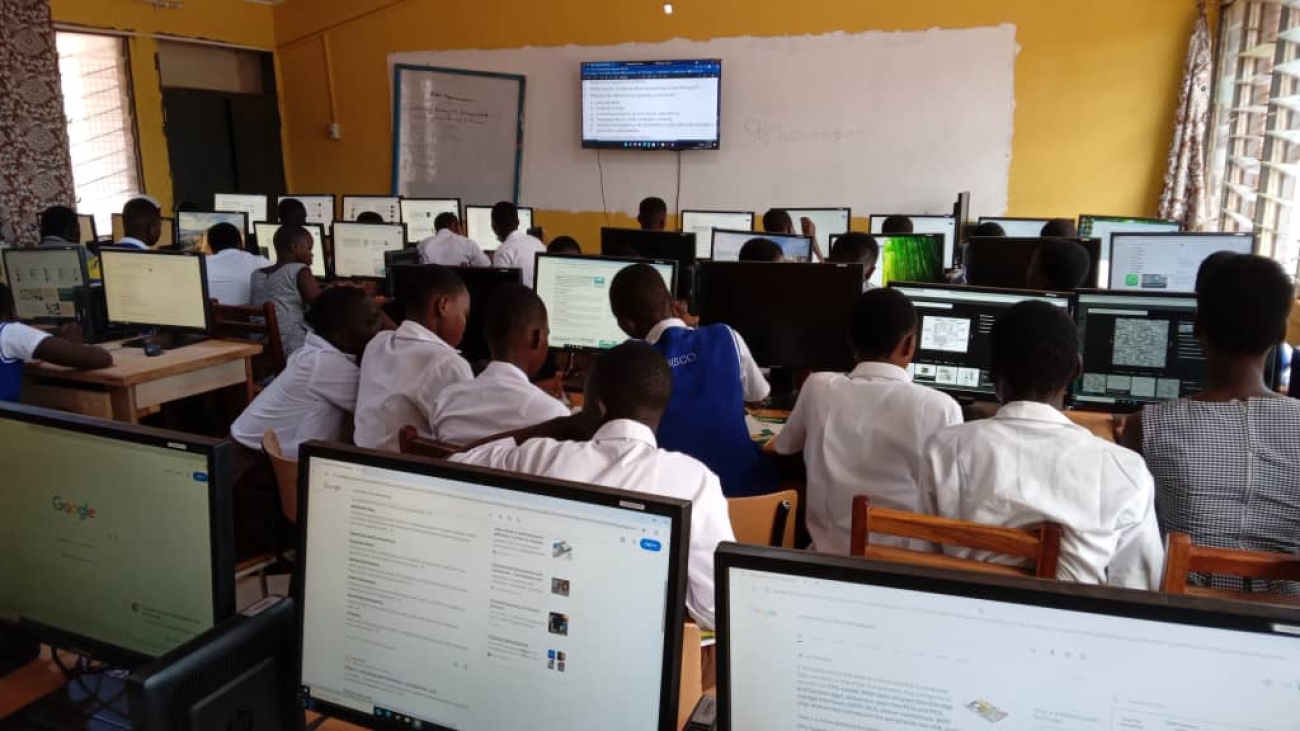
To launch the program, CLG has completed a pilot installation of 63 computers at Business Senior High School in Tamale. This pilot will help the organization better understand the digital learning needs and behaviors of both teachers and students, enabling them to refine their digital education-as-a-service model for long-term sustainability in the region.

The computers come equipped with 4G MTN routers, a monthly internet bundle, and GES-approved educational software. CLG will also provide regular maintenance, repairs, replacements, and technical support to ensure uninterrupted learning.

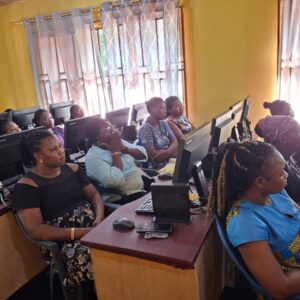
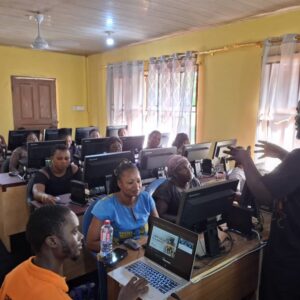
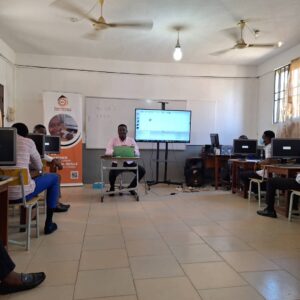
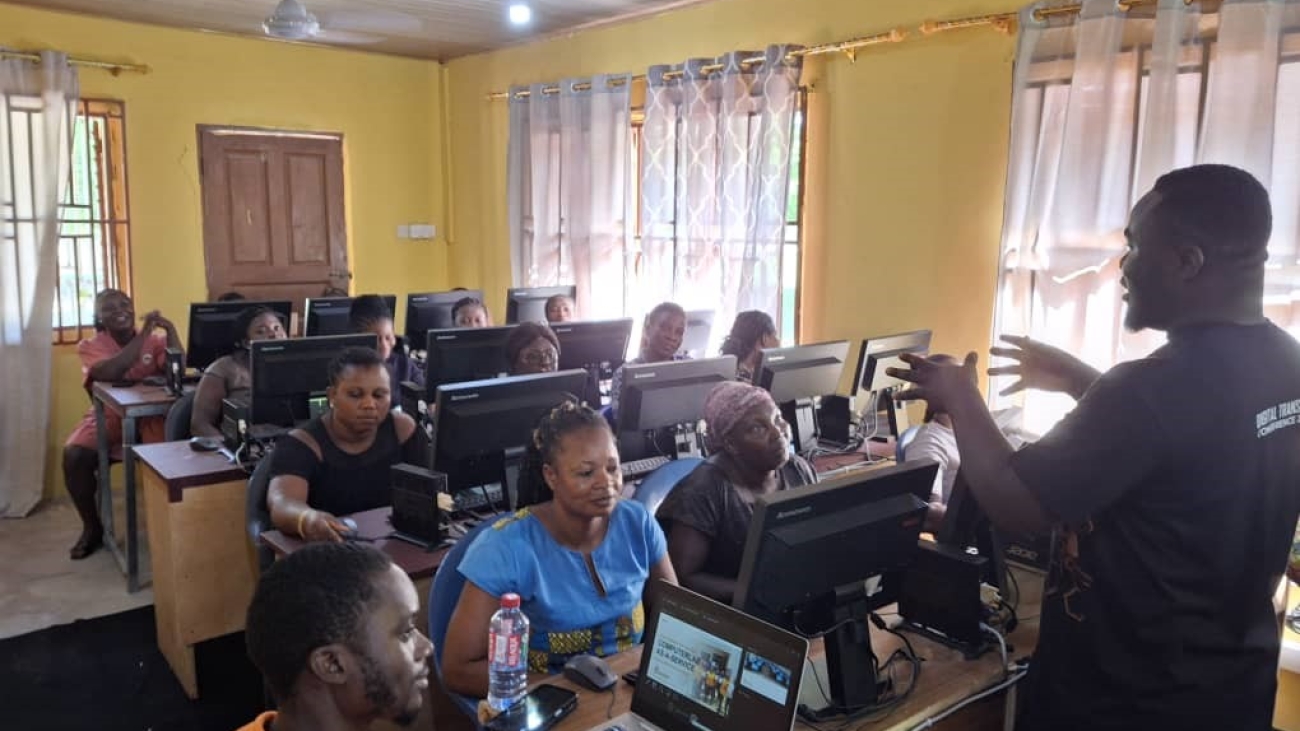
On May 5, 2025, CLG and PAMEPI officially launched the new computer lab at Business Senior High School. Speaking at the event, Pim de Bokx, General Manager of Computerlabs Ghana, emphasized that the lack of sustainable digital education is a national challenge, largely due to the absence of ongoing technical support after computers are purchased or donated. He described the partnership with PAMEPI as a crucial turning point for schools in the Northern Region, one that will prepare students for the future and contribute to Ghana’s development.

The Chief Executive Director of PAMEPI highlighted the urgent need for such an initiative, recalling how in the past, computing facilitators had to use stones to explain what a computer mouse looked like. “It is time we put an end to such outdated teaching methods,” she said. “This initiative is a bridge to dignity and dreams for the future leaders of this country in a digitally driven world.” She also shared her vision of a future where more women in the Northern Region become digital innovators, people with disabilities have equal access to ICT, and no learner is left behind.

A representative of the Regional Director of Education commended the project as one that aligns with Ghana Education Service (GES) policy and urged CLG to expand its reach to other regions so more schools can benefit from sustainable digital education.

Computerlabs Ghana remains committed to providing sustainable ICT solutions, technical support, and digital empowerment for schools and communities in underserved areas.

CLG is calling on the Government, NGOs, private institutions, schools, parents, and individuals to support this mission, ensuring both current and future generations are prepared for a technology-driven world.

Your school can also benefit from sustainable digital education—partner with Computerlabs Ghana today.
4

Fiakonya D/A Basic School partners with afiDE Ghana for Sustainable Digital Literacy in the School

Fiakonya D/A Basic School partners with afiDE Ghana for Sustainable Digital Literacy in the School

Fiakonya D/A Basic School in Dodowa in the greater Accra region of Ghana has partnered with afiDE Ghana to provide sustainable Digital Education in the school. The partnership aims to empower both the school’s educators and learners with the relevant digital literacy and skills they need to prepare them for the technological, digital, and data-driven world.

afiDE Ghana implemented its side of the partnership by setting up an ultra-modern computer lab with 21 workstations. The state-of-the-art computer lab is equipped with UPS units and backup batteries, a router for internet connectivity, a server, and thin clients.

The computing facilitator will have access to a dedicated workstation, while students will have access to 20 workstations, ensuring that each learner has their workstation during computing lessons.

The teachers are now equipped, confident, and ready to elevate digital education in their schools. The computer lab includes services for the maintenance, replacement, and repair of damaged computer parts, along with remote monitoring, a help desk, and teacher training.

On November 26th, 2024, afiDE Ghana conducted a base training session for the educators of Fiankonya School to initiate the use of the computer lab. The training covered the fundamental components of RGC’s computer labs, including both hardware and software.

As part of our mandatory service to partners, RGC offers a comprehensive four-stage training program designed to equip teachers with the technological knowledge and skills needed in today’s modern era. This training will enable educators to integrate technology effectively into their teaching and enhance their productivity in the workplace.

The teacher training is valuable for educators, as data indicates that many teachers in Ghana are not technologically or digitally proficient, resulting in a lack of the necessary computing resources to effectively teach students.

The four types of training conducted by afiDE Ghana are;

Base Training: The base training focuses on empowering teachers with the essential skills to effectively utilize our computer labs for teaching. This foundational training ensures educators can confidently navigate the basics and integrate digital tools into their lessons.

Bronze Training: The training is designed specifically for computing facilitators and ICT coordinators, the training enables mastery of the National ICT Curriculum and the full spectrum of our application landscape. It emphasizes challenge-based and project-based learning, preparing facilitators to lead innovative and interactive digital education.

Silver Training: The silver training is also tailored for teachers of other subjects, this training demonstrates how to leverage our computer labs to enhance lessons in STEM, Geography, History, and more. It equips educators with the skills to integrate digital resources into their teaching, enriching the learning experience across diverse disciplines.

Gold Training: This is aimed at experienced computer lab teachers and coordinators, this level focuses on developing them into trainers for their peers. Participants learn to deliver the BASE training, fostering a community of knowledgeable and skilled educators who can support their colleagues in digital teaching.

Contact us today for a computer lab with maintenance, replacement, remote monitoring, Help Desk teacher training, and even more. CALL:053 511 1599

WhatsApp Image 2024-11-01 at 09.35.28_9e25d34b

afiDE Ghana(RGC) Partners with GSET to conduct an advance computing skills training for educators.

afiDE Ghana(RGC) in partnership with the Ghana Society for Education and Technology(GSET), has conducted advanced computing training for educators in some parts of the Greater Accra region of Ghana.

The advanced training, coined as bronze training, is an add-on to RGC’s base training, which focused on empowering computing facilitators, formerly ICT facilitators with comprehensive and advanced computing and digital education skills.


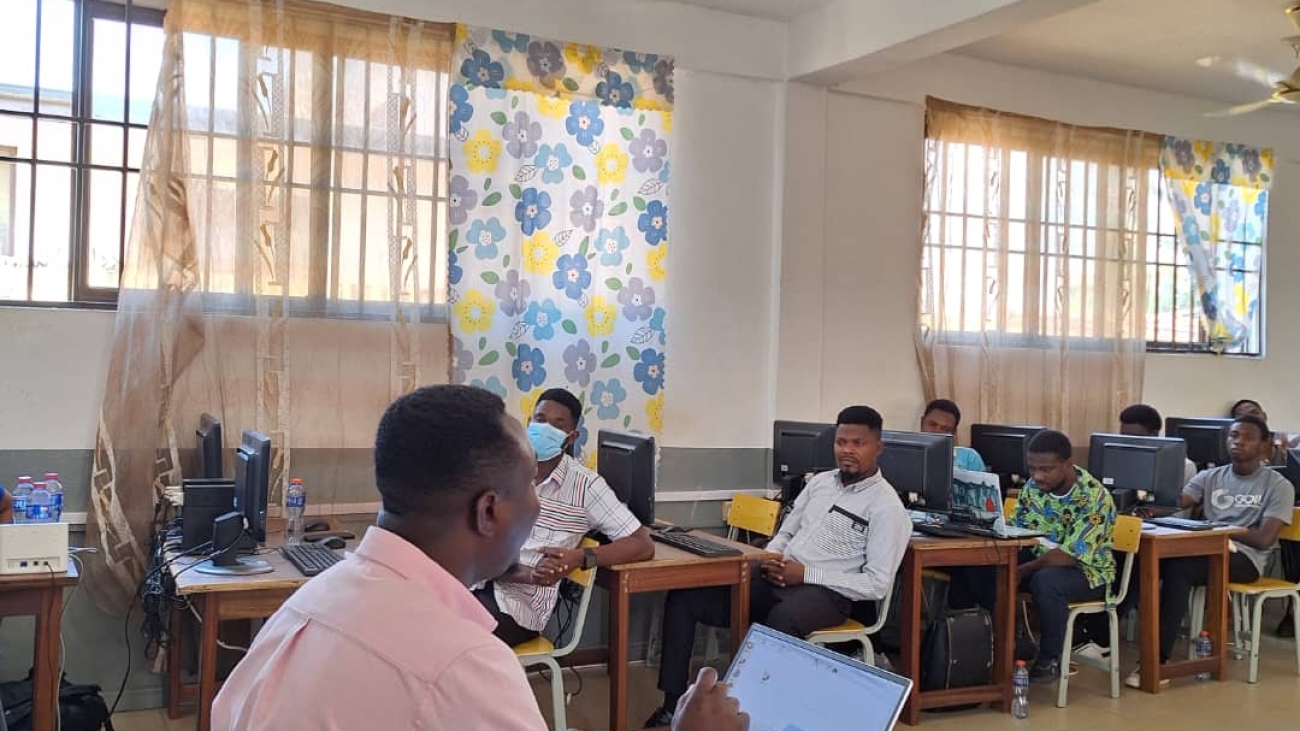
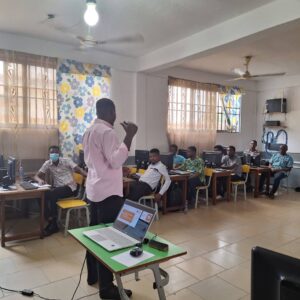
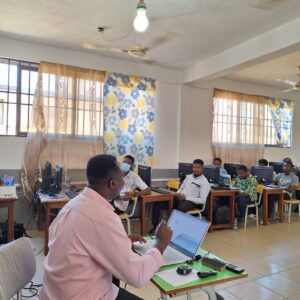
The training took place at three different places; Nsawam Methodist Primary School (Nsawam) and Acropolis Maranatha Academy (Pokuase) and Sege Community Lab (Sege-Ada West District) from 15th to 16th, 22nd to 23rd, and 29th to 30th October 2024, respectively. More than 50 computing teachers from different public and private schools in the region attended the bronze training.

The bronze training is a module built by RGC to help computing educators understand more advanced programming concepts such as data- structures, functions, and object-oriented programming. During the training, the teachers were made to undertake complex programming projects to prepare them to teach and encourage students to pursue coding initiatives and also, support and mentor students in advanced coding projects to foster their creativity and problem-solving skills.


The computing teachers learned and had on hand practical experience with database management systems such as MySQL, Microsoft Access, and so on. During the practical sessions, the teachers were able to extract meaningful information or insight from raw data to create reports and foster their data-driven decision-making in our educational sector.

Another key topic that was taught during the training was:

  • Networking: Teachers understood networking principles, including network types, protocols, and configurations.
  • Cybersecurity: Teachers implement cybersecurity best practices to protect networked systems.


Teachers were trained on how to manage and secure ICT environments in their schools, ensuring data privacy and network integrity, and also to take leadership roles in advocating for and implementing technology initiatives in their schools. In addition, teachers were maltreated to provide guidance and mentorship to students engaged in ICT-related projects in their various schools.

Teachers were encouraged to collaborate with non-computing teachers to facilitate technology integration across subjects and grade levels to help boost digital education within Ghanaian society. Teachers were also guided on how to create ICT policies aligned with educational goals and student needs, draft budgets for ICT projects, effectively allocate resources, and develop strategic plans for the seamless integration of ICT into the school curriculum.

afiDE Ghana is keen to provide a solution to the digital education gap within our society, by rendering our computerlab-a-service to schools in Ghana.