
afiDE Ghana Hosts International Women’s Day Dialogue for Female School Leaders
afiDE Ghana hosted a coffee dialogue for female school leaders at its office to mark International Women’s Day and open up an honest conversation about women’s leadership in education.
The two-hour event carried the theme “Women Leading Schools: Challenges, Opportunities and Collaboration.” It brought together female directors, headteachers, and administrators from afiDE Ghana member schools to share experiences, discuss the barriers they face, and explore practical ways to strengthen women’s leadership in schools.
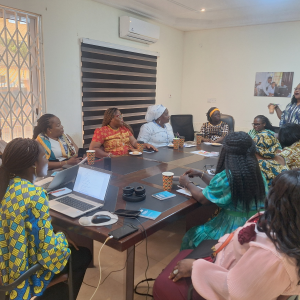
Nicole Odudu, Digital Education Manager at afiDE Ghana, moderated the dialogue and guided discussions throughout the session.
Brianna Dika, Service Manager at afiDE Ghana, opened the session and welcomed participants. She highlighted the role female leaders play in driving innovation in schools and expanding opportunities for girls in digital education.
The dialogue brought together female school leaders from across the afiDE Ghana network. They were Oko Magdalene A. of Magmount Zion International School, Erica Nyarkoa Akuramaa of Nsawam Presbyterian School, Dadzie Asmah Abigail of Curious Minds International School, Dorothy Parker Clarke of Kwabenya Senior High School, Fatima Sammo of West Legon Academy, Joyce T. Larkpleku of Fiakonya D/A Basic School, Mrs. Lydia Ghansah of Passion Home British International School, Favor Abena Ghanney of Precious Jesus School, and Patience Ntiamah-Ananga of Nileem Academy.
Challenges for Female School Leaders in Ghana
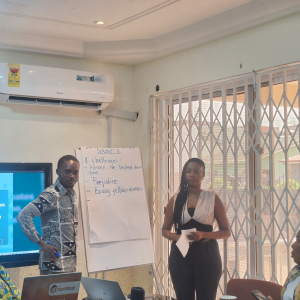
The discussions that followed were direct and grounded in real experience. Participants spoke about gender stereotyping and how some colleagues and parents make assumptions about women’s leadership abilities based on gender rather than competence. Several participants noted that men sometimes do not take female school leaders as seriously as they should.
Family life added another layer to the conversation. Some leaders said their male spouses show little trust or support for their leadership roles at school. Others shared that husbands sometimes expect to take charge of schools that families have established together.
The women also talked about how they manage these challenges day to day. Many said listening and patience are the tools they rely on most. Listening carefully and early helps them get to the root of a conflict before it grows. Treating teachers and parents fairly and without bias, they said, is what builds lasting trust and keeps cooperation within the school community strong.
Joyce Larkpleku delivered a spotlight presentation on women’s leadership in schools. She encouraged participants to support one another and to invest in mentoring younger female educators coming up behind them.
Women Supporting Women in Education commitment
The morning also had a memorable lighter moment. Participants played a game of charades, where players act out words or phrases without speaking, while others guess. It drew laughter, loosened the atmosphere, and became one of the highlights of the day.
The session closed with a “Women Supporting Women” commitment. Participants pledged to mentor other female educators, promote women’s leadership in their schools, and encourage girls to take up STEM and digital education.