
Strengthening Women’s Leadership through Digital Education
Ghana is one of the African countries closest to achieving gender parity in education, with girls now matching or even surpassing boys in enrollment at several levels. In primary schools, women make up almost half of all teachers, a remarkable achievement that places Ghana among the stronger performers on gender equality in education across the continent. Yet this progress in the classroom has not yet translated into equal representation in leadership.
Female Leadership remains low
Across the education system, women remain a minority in leadership roles. Only 26% of secondary school teachers are women, and the share of female headteachers, principals, and senior administrators declines sharply as positions become more senior. Studies consistently show that cultural expectations, limited mentorship, and unequal access to leadership pathways continue to hold women back from decision making roles in schools, colleges, and universities. At the same time, education in Ghana is changing rapidly.
Development program with Women College of Education
Digital competence is becoming essential for teaching, school management, and institutional leadership. This is why afiDE Ghana, together with the Ghana Society of Education Technology, has developed a five year Digital Education Training Program to strengthen digital capacity in teacher education. The Minister of Education has endorsed the initiative and selected the Presbyterian Women’s College of Education in Aburi as the pilot institution — a meaningful choice, given the need to expand opportunities for women in leadership.
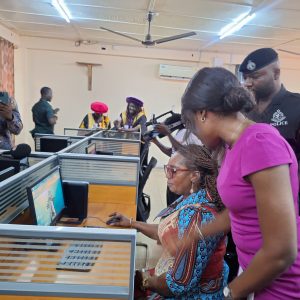
Empowering women with strong digital skills is not only about technology. It is about confidence, opportunity, and visibility. When women lead schools and colleges, girls see what is possible. Representation shapes ambition.
International Women’s Day: Female Leadership in Education
To honour the women who carry Ghana’s education system every day, afiDE Ghana is hosting a Celebration of Women in Education on:
- 9 March, 1:00 PM
- Invited: all female afiDE Ghana members — teachers, headteachers, administrators, and educators at all levels
The event will include a dialogue on women’s leadership in education, and every participant will receive a small gift in appreciation of her contribution.
Ghana has made impressive progress in girls’ education. The next step is ensuring that women are equally represented in leadership — and digital empowerment is one of the strongest tools to help close that gap.
Sources:
ESSA Education Sub Saharan Africa
European/American Journals – EA Journals.