Sustainable Digital Education: Computerlabs Ghana Trains Computing Educators
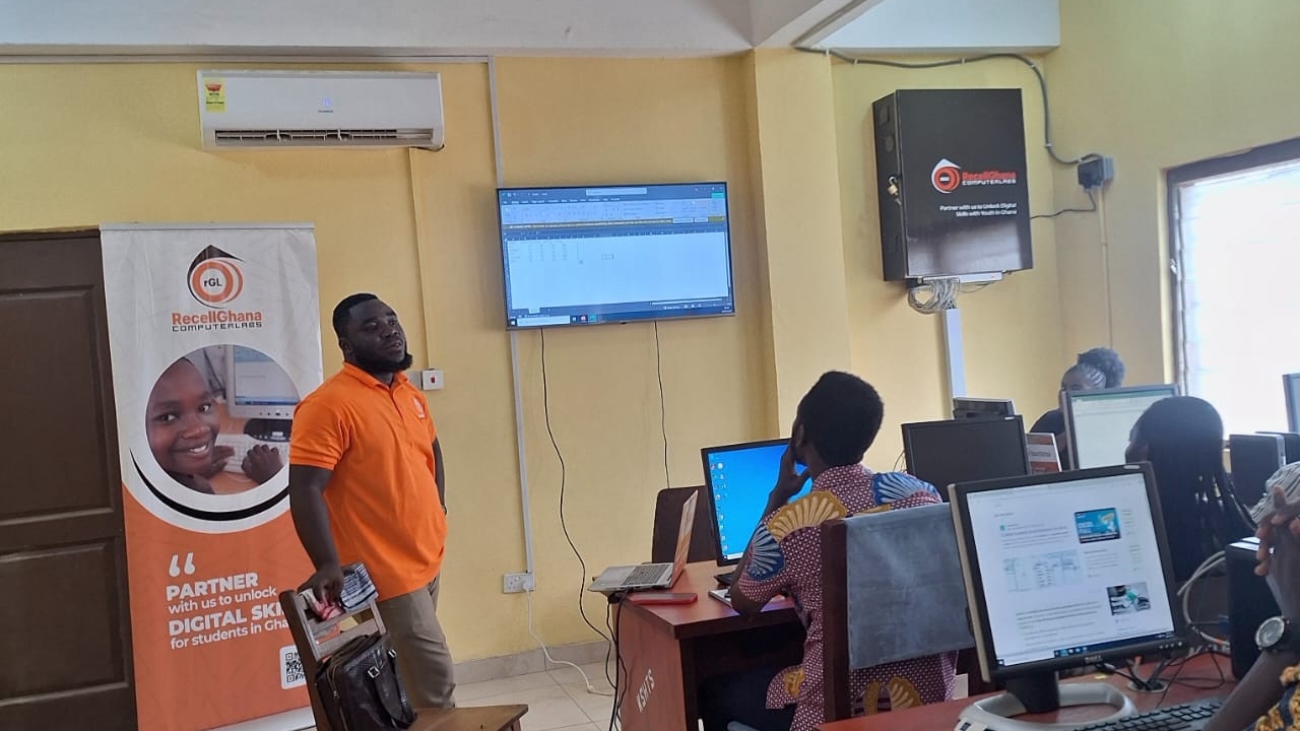
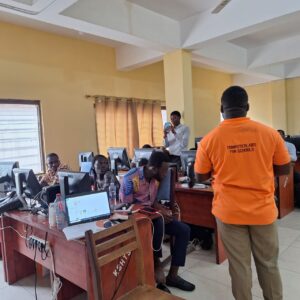
Computerlabs Ghana, trading as afiDE Ghana, recently conducted a series of advanced digital education training sessions for Computing facilitators from partner schools in the Greater Accra Region. These trainings are part of our commitment to building sustainable digital education across Ghana.
The sessions were held at three locations: Fiakonya DA Basic School (Fiakonya), Mikel International School (Lebanon), and Kwabenya Senior High School (Kwabenya) between May 8 and May 29, 2025.
The training covered four key areas:
Introduction to Computing: Basics of computer systems, digital technologies in the community, and the role of computing in everyday life.
Productivity Software: Hands-on training in Microsoft Word, Excel, Databases, and PowerPoint, with a focus on classroom and administrative use.
Communication and Networks: Internet safety, email usage, types of networks, and fundamental data transmission concepts.
Computational Thinking, AI, and Robotics: Problem-solving strategies, algorithmic thinking, basic coding principles, and exposure to emerging technologies such as artificial intelligence and robotics.
The training sessions were highly practical and designed to reflect the tools available in our computer labs. By the end of the program, participants reported increased confidence and competence in teaching computing. They are now better equipped to deliver the curriculum effectively, using technology to enrich the digital learning experience for their students.
Computerlabs Ghana(CLG) Impact Report: Stakeholders Very Satisfied with Computerlabs-as-a-service (CaaS) Model.
Over the past three years, Computerlabs Ghana (CLG)—now operating under the brand name afiDE Ghana (RGC)—has delivered its innovative Computerlab-as-a-Service (CaaS) model to 41 partner schools across Ghana. This initiative has positively impacted over 13,000 ICT learners and more than 416 educators, helping to transform digital education in the country.
In a recent monitoring and evaluation exercise, CLG engaged directly with stakeholders: school administrators, teachers, and students to assess the effectiveness of its services and identify areas for improvement.
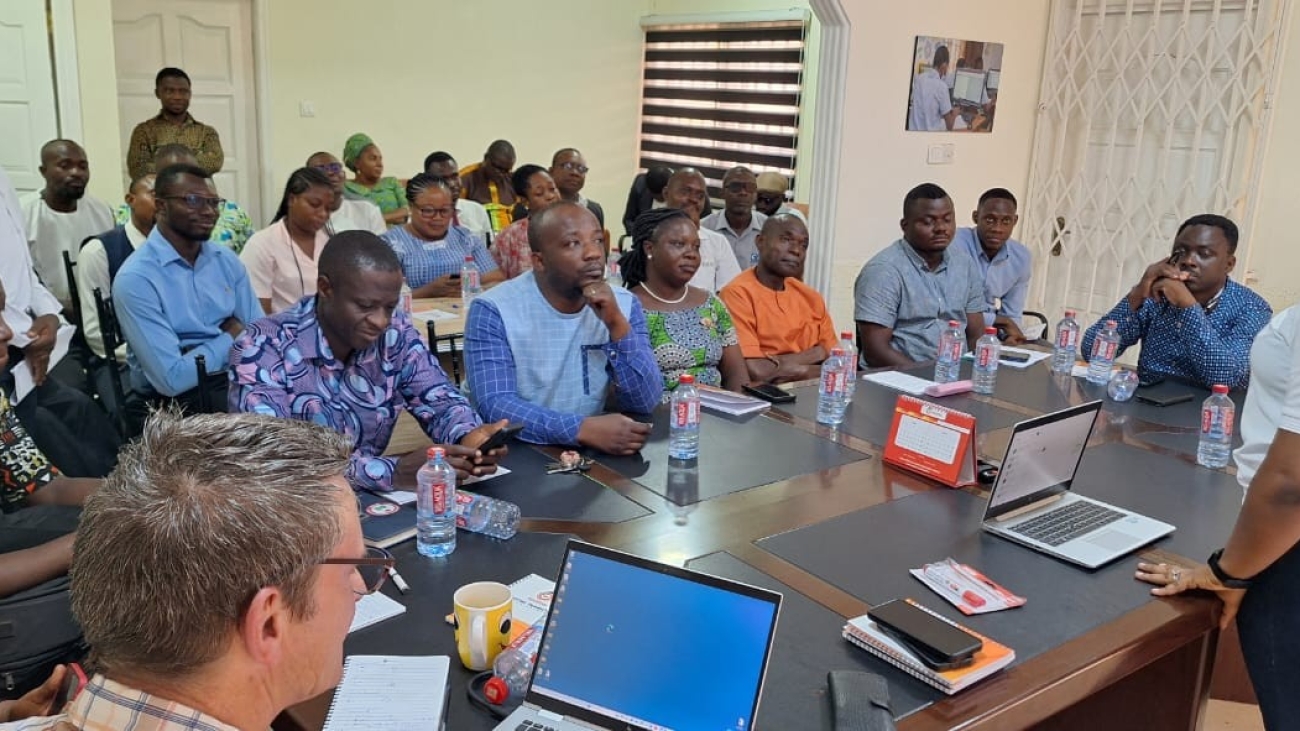
Stakeholder Engagement Roundtable Discussion
Key Findings from the Impact Assessment:
64% of stakeholders expressed being either very satisfied or satisfied with the implementation of the CaaS model.
79% of partner schools have successfully integrated the use of the computer labs into their academic timetables.
57% of schools reported a noticeable improvement in student academic performance due to the use of the labs.
57% of schools have formally allocated a budget for digital education, with 43% still in progress toward that goal.
71% of stakeholders observed that teachers are increasingly utilizing interactive and digital teaching resources.
57% of stakeholders noted a shift towards more student-centered activities in classrooms, enabled by the lab environment.
Teachers highlighted that the labs made it easier to provide personalized support and one-on-one feedback to students.
Student Experience and Outcomes:
85% of students reported moderate to significant improvement in engagement, practical ICT skills, and academic performance.
An overwhelming 93% of students indicated that they enjoy their digital education classes.
64% of students use the labs regularly (2–3 times per week), citing access to new digital resources as a major benefit.
This data illustrates that CLG’s CaaS model is not only effective but also sustainable, laying the foundation for a more inclusive and future-ready education system. By equipping students with digital literacy and practical tech skills, the program increases their employment prospects and capacity to contribute meaningfully to national development.
Stakeholder Engagement to Advance Digital Education
To deepen its impact, Computerlabs Ghana (afiDE Ghana) recently held a stakeholder engagement session to gather insights on how to further enhance its offerings, particularly its emerging Digital Education-as-a-Service (DEaS) initiative. This session aimed to explore challenges, review the effectiveness of current programs, explore new brand name, logo and strategize on scaling digital learning in a sustainable way.
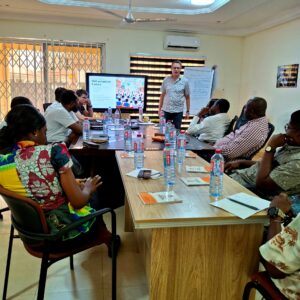
Pim presenting to stakeholders at the Computerlabs Ghana office
Key partners and stakeholders engaged in this dialogue included:
Ghana Society for Education Technology (GSET)
Quartimani Educare Partners
Sales Representatives
School Robot
AfriOps
This collaboration reflects CLG’s commitment to co-creating a digital education ecosystem that works for all educators, learners, and the nation at large. As CLG continues to innovate and expand, it remains steadfast in its vision: to enable affordable, accessible, and high-quality digital education without burdening schools financially.
A Call for Sustainable Digital Transformation
The impact report underscores a critical message sustainable digital education is no longer optional. Schools must take deliberate steps to equip both learners and educators with digital competencies essential for thriving in a technology-driven world.
With Computerlabs Ghana, schools can transition to digital education seamlessly and affordably, ensuring that no child is left behind in Ghana’s digital future.